

Even the finest safari lodges cannot predict what the forest will reveal—but arriving well prepared allows you to enjoy every moment, whatever nature has in store. Save this checklist before you travel.
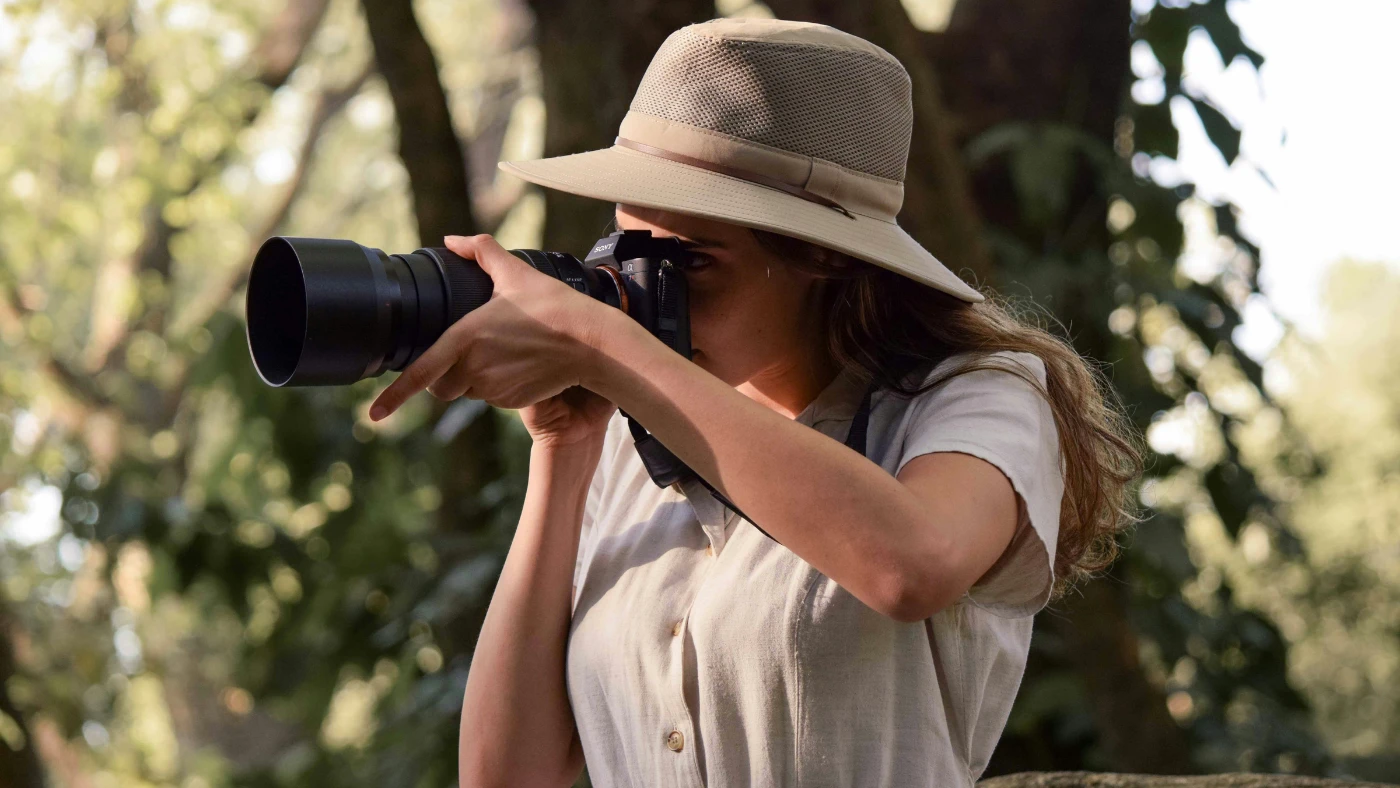
Before Your Morning Safari
- Dress in layers. Winter mornings (November–February) can be unexpectedly chilly before the sun rises, while temperatures climb quickly by mid-morning.
- Protect yourself from the sun. Even early departures quickly become warm. Carry sunglasses, a hat, sunscreen (SPF 30+) and lip balm.
- Be prepared for dust. Safari tracks can become dusty during the dry season. A light scarf or buff, sunglasses and a microfiber cloth for your camera lens are invaluable.
- Don’t forget your binoculars. Binoculars often reveal wildlife long before the vehicle can approach, whether it’s a leopard resting in a tree, a crested serpent eagle, or a distant herd of elephants.
- Charge your camera and phone. Fully charge cameras and phones the night before, and pack spare batteries and memory cards. Drones are prohibited in Indian national parks and wildlife reserves.
- Travel light. Your lodge will provide refreshments before and after the drive, so you only need the essentials for a few hours in the vehicle.
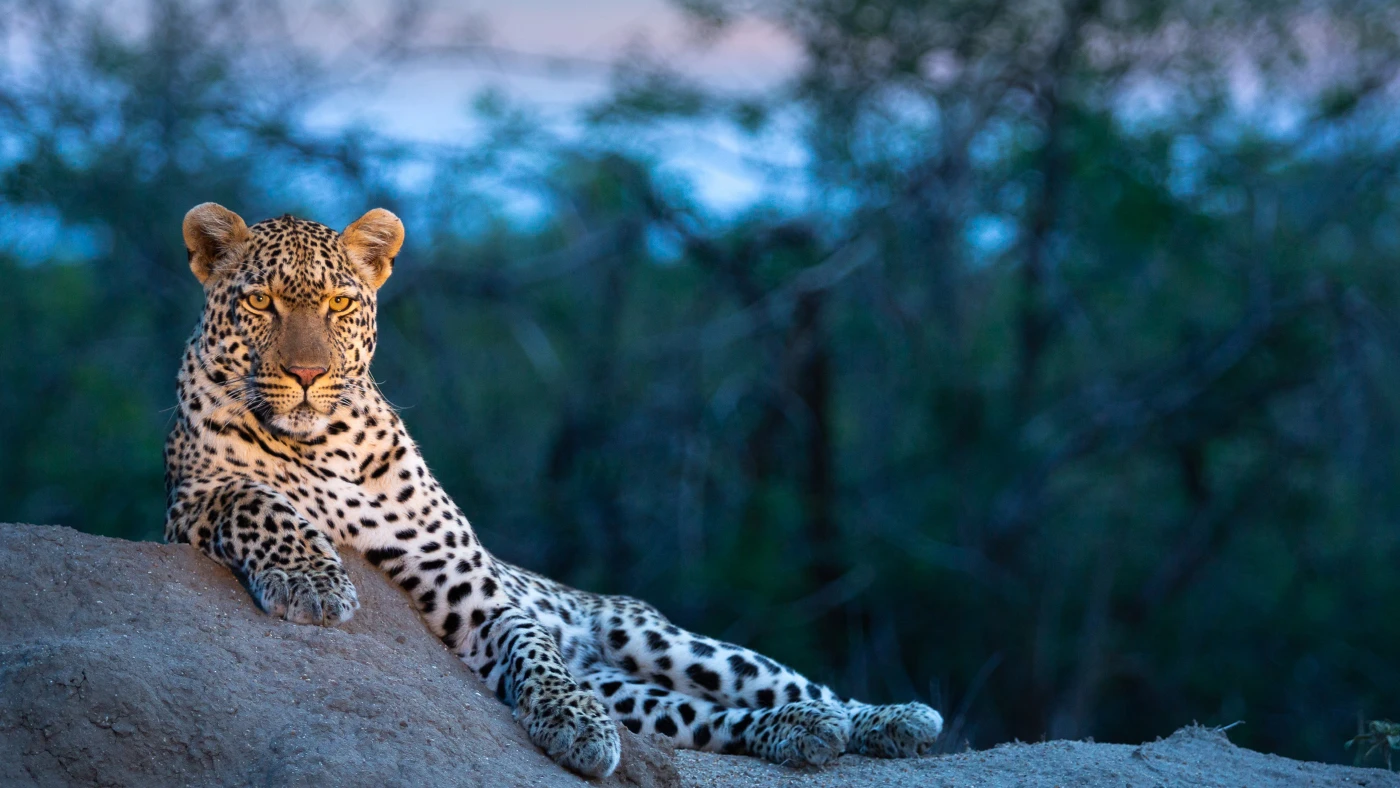
Before Your Evening Safari
- Reapply sunscreen and insect repellent.
- Bring a light scarf or jacket for the return drive after sunset.
- Expect different wildlife behavior. As temperatures ease, predators often become more active, while many animals emerge from shade to feed, drink, or move through the forest.
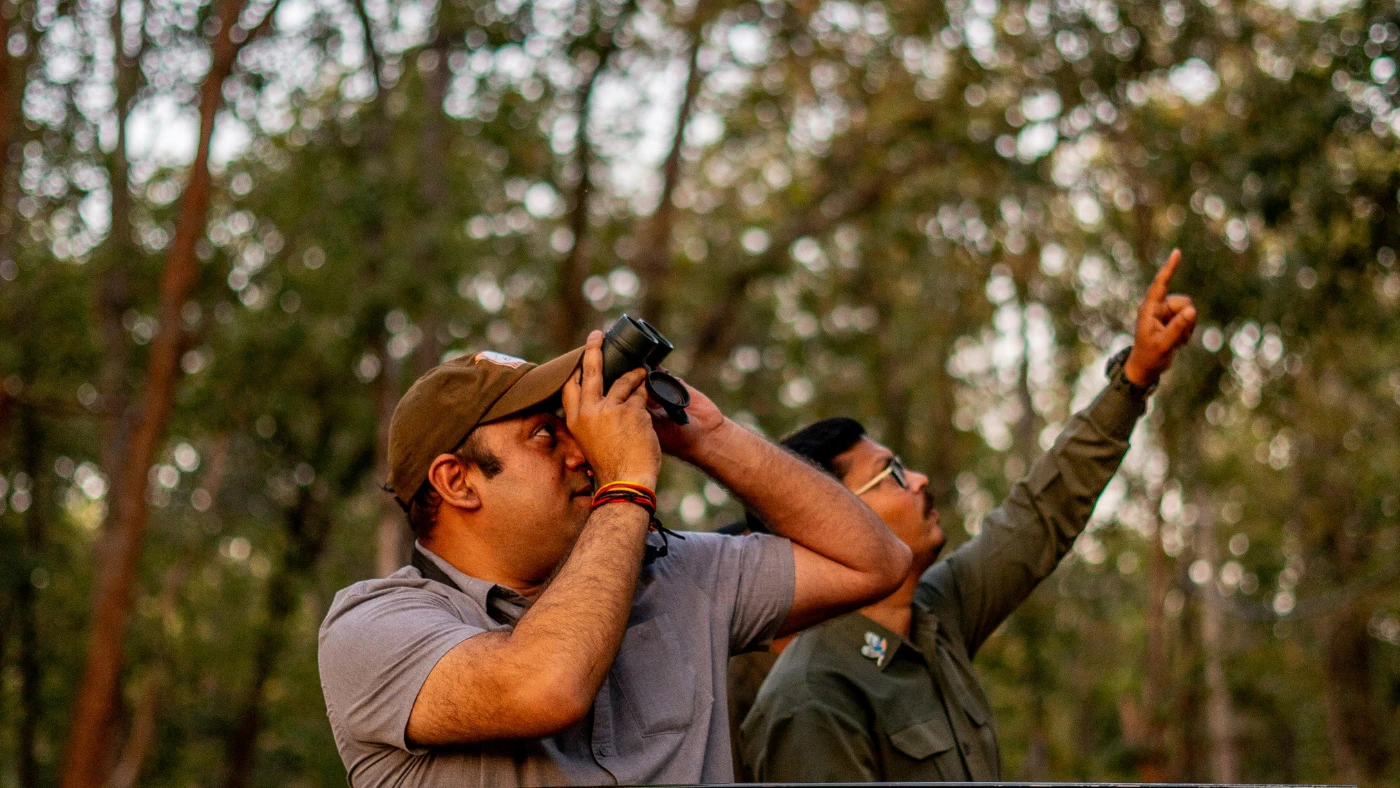
During the Safari
- Trust your naturalist’s pace. The finest sightings often come from patiently following the subtle signs of the forest.
- Keep conversations quiet and mobile phones on silent.
- Avoid sudden movements or standing up abruptly, as this disrupts the vehicle’s outline and can startle wildlife.
- Remain seated unless your guide advises otherwise.
- Never feed or attempt to attract wildlife.
- Follow your naturalist’s instructions at all times. They are there to ensure both your safety and the well-being of the wildlife.
- Remember that every sighting matters. Fresh pugmarks, alarm calls, hornbills, wild dogs, elephants and even fleeting bird activity all help reveal what is happening in the forest.
- Resist the urge to watch the safari through your camera alone. Take a few moments simply to observe the forest.
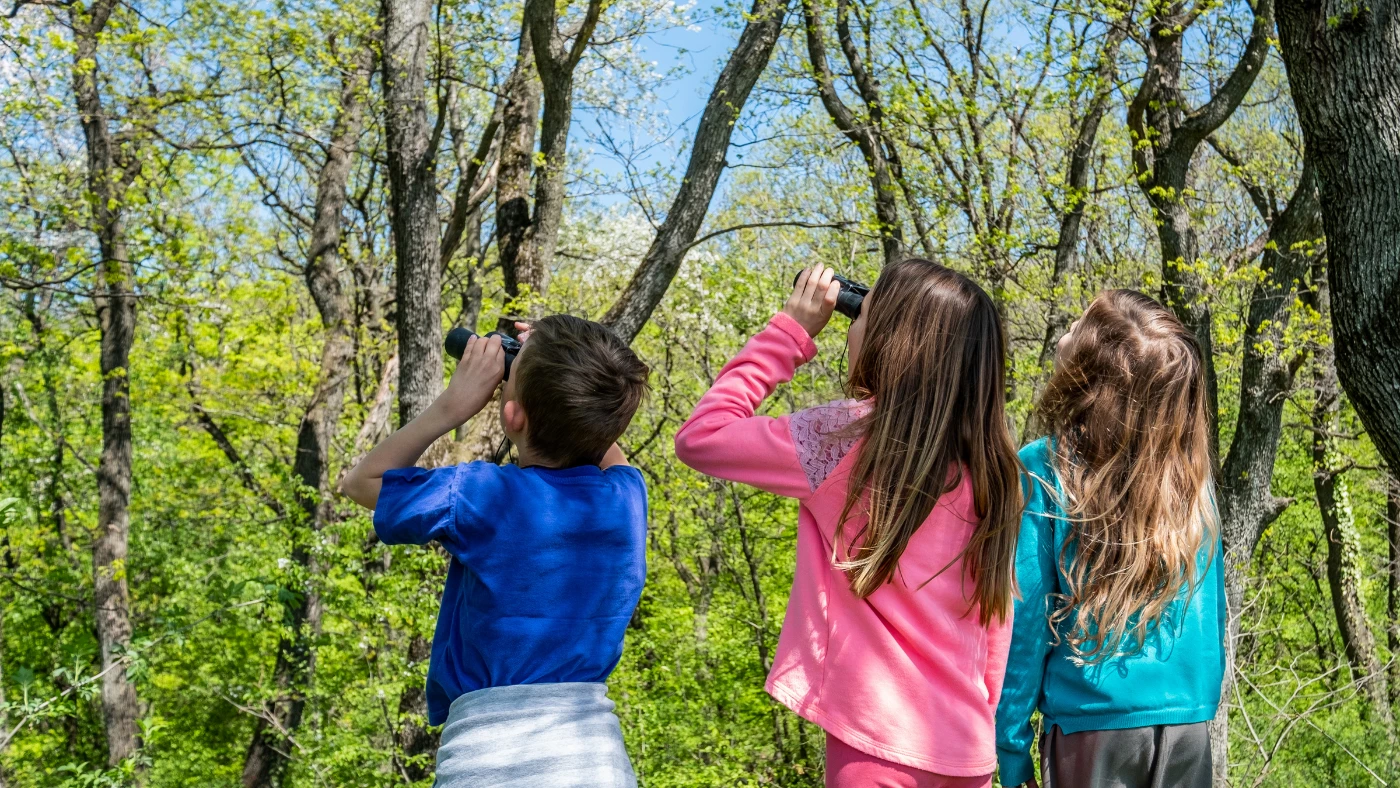
Traveling with Children
Indian safaris can be wonderfully rewarding for families when children know what to expect. While many safari lodges welcome families, minimum age recommendations vary between parks and lodges. Your Greaves specialist can advise on the most suitable safari experience for your family.
Pack:
- Child-friendly insect repellent
- Sun hat
- Water bottle
- Small binoculars
- Wet wipes
- A lightweight jacket
Before setting out, help children understand that animals roam freely across vast landscapes here. The excitement lies in observing wildlife on nature’s terms, whether that’s following tiger tracks, identifying birds, or listening for langur alarm calls.Families may wish to reserve a private safari vehicle, offering greater flexibility for children and photography.
If Rain Is Forecast
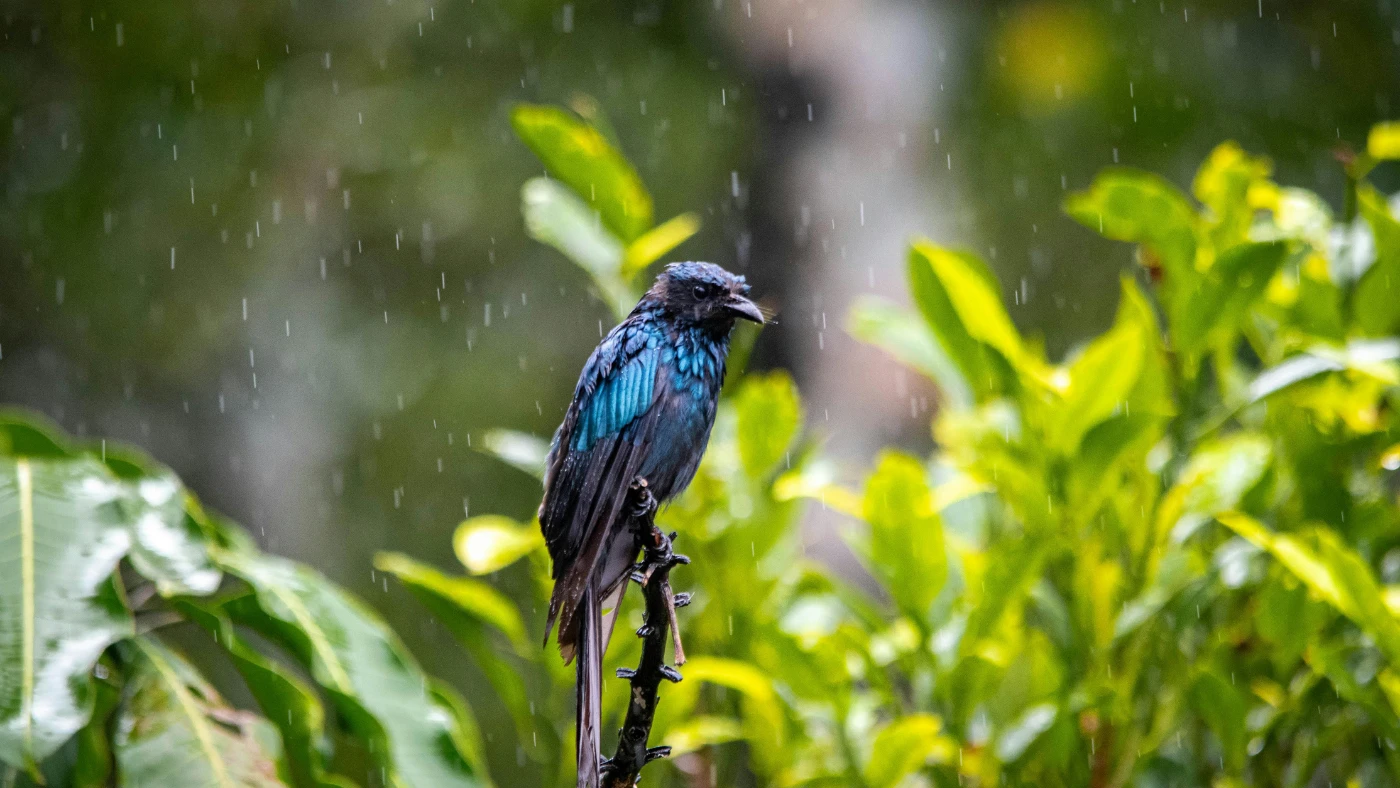
Many safari parks across India close for part of the monsoon, although occasional showers are common during the shoulder seasons.Pack a lightweight waterproof jacket, a dry bag for cameras and phones, and quick-drying clothing. Umbrellas are generally impractical in open safari vehicles.
The most rewarding safari experiences don’t just come from checking off major sightings; they come from learning to read the forest. Every birdsong, alarm call, footprint, and rustle in the undergrowth adds another layer to the experience. When you slow down, the wilderness has a remarkable way of rewarding your patience.


