

South India’s iconic wildlife reserves are more than places to spot elusive predators or watch elephants roam free. Behind every sighting lies decades of careful conservation, from habitat restoration and anti-poaching efforts to scientific management and community partnerships. Together, these initiatives have shaped some of India’s most remarkable wildlife landscapes and enduring conservation successes.
Nagarhole National Park & the Kabini Corridor
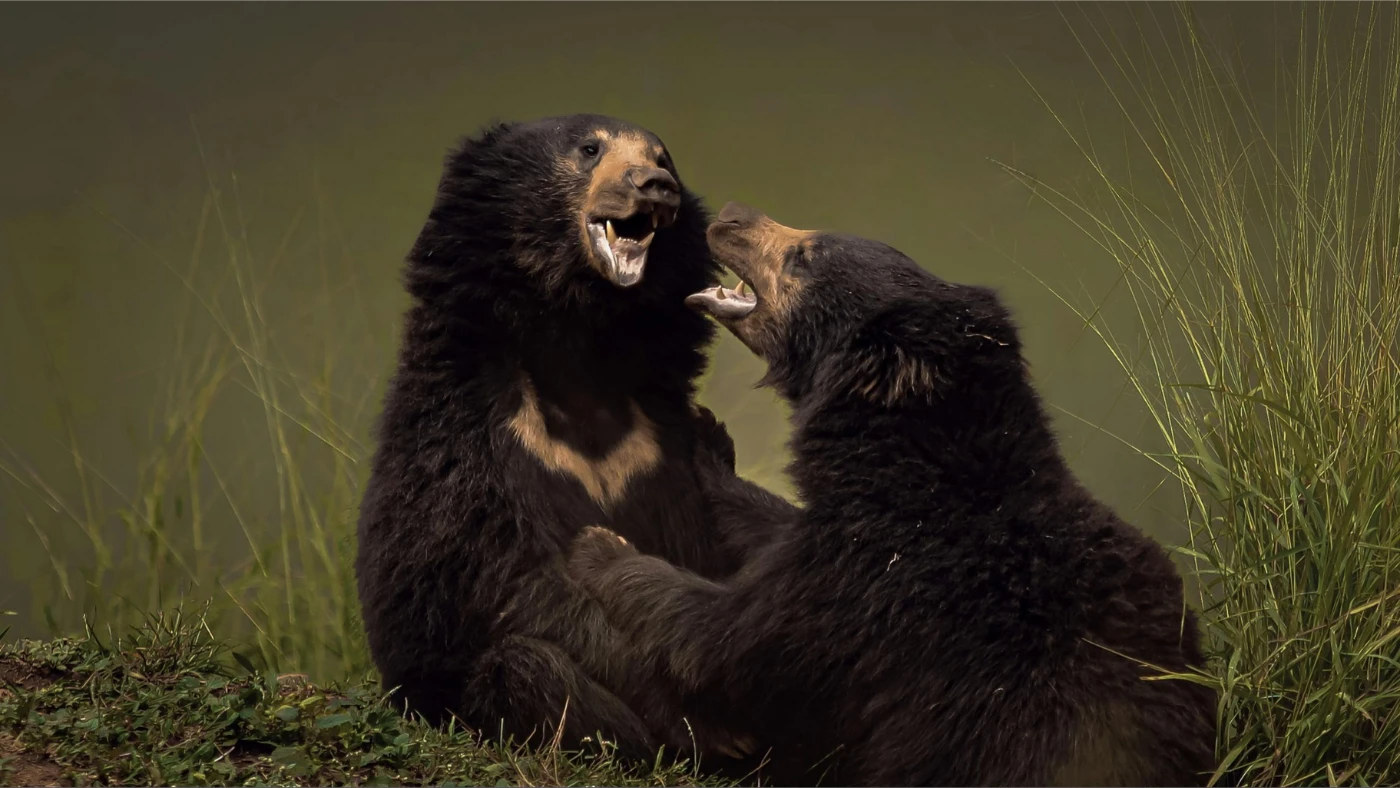
Nagarhole used to be the private hunting ground of the Wadiyar dynasty, but now it has become one of India’s most successful tiger reserves. The Kabini River area on the southeast side is well known because of Saya, a rare black leopard whose sightings have attracted global attention. While many people hope to spot Saya, seeing a black leopard is very rare and depends on luck, reminding us how unpredictable nature is. Saya’s story has drawn attention to this area, which is home to secretive predators, rich wildlife, and a mix of forests and grasslands.
Bandipur National Park
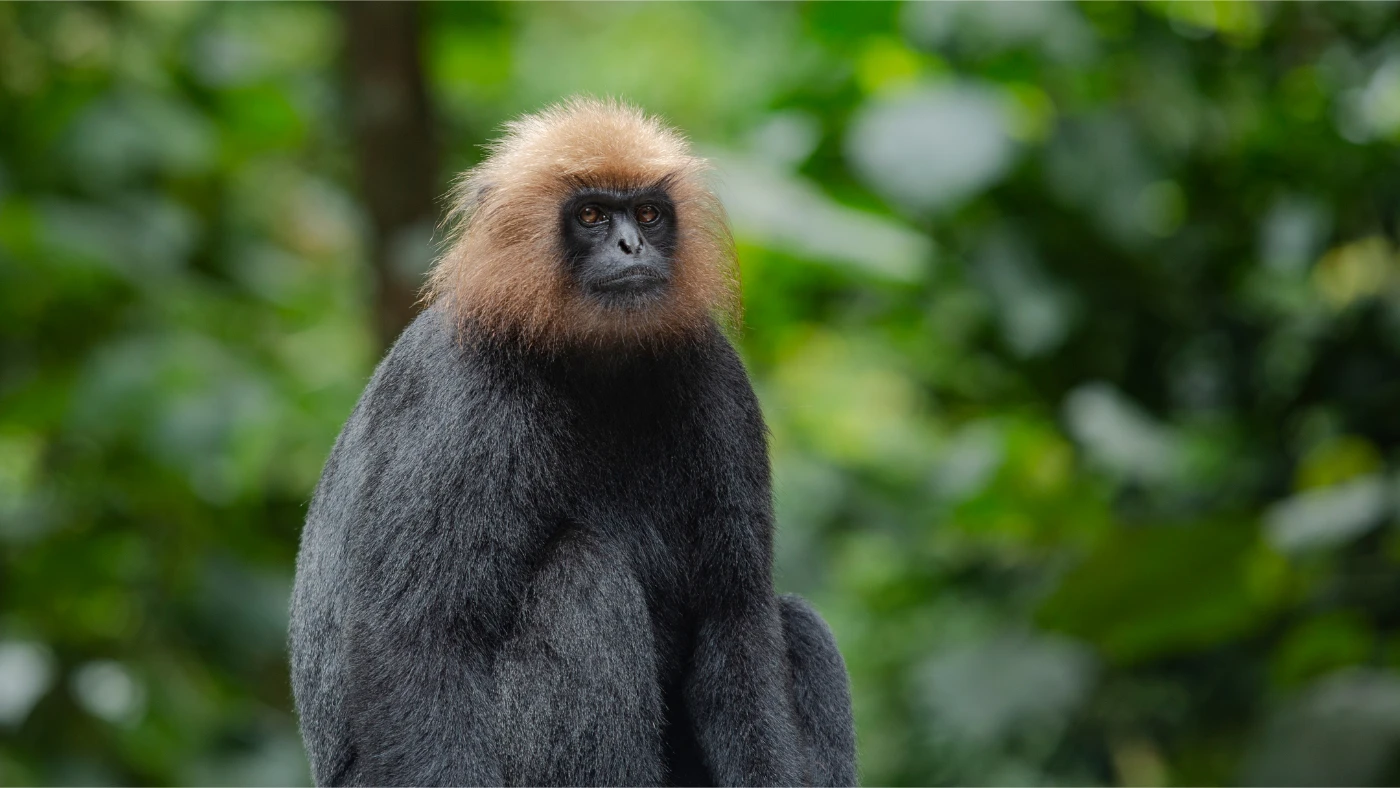
Bandipur was one of the first reserves chosen for India’s Project Tiger in 1973. Today, it is a key part of one of India’s largest interconnected protected landscapes. It connects with Nagarhole, Mudumalai, and Wayanad, creating a network where elephants, tigers, dholes, and many other animals can move freely, which keeps the ecosystem healthy. The best time to see wildlife in Bandipur is from January–May, when animals gather at waterholes, and in the early mornings or late afternoons, when the forest is most lively and easier to explore.
Wayanad Wildlife Sanctuary
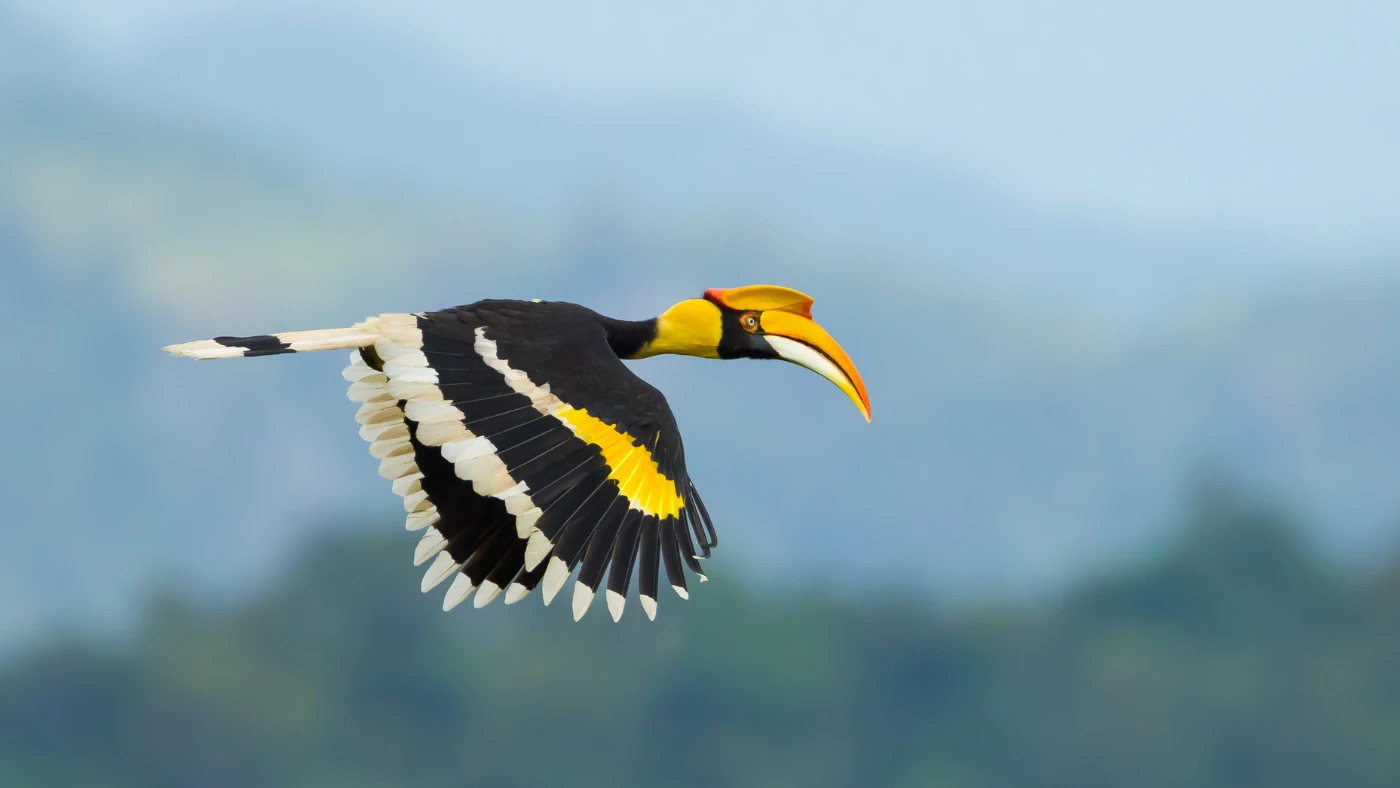
Wayanad is a key part of the Nilgiri Biosphere Reserve, linking the forests of Kerala, Karnataka, and Tamil Nadu. This corridor supports the natural movement of Asian elephants and other animals that travel across the land as they have for generations. Wayanad is quieter than nearby parks and invites visitors to explore its deep forests, many birds, and untouched wild areas.
Mudumalai Tiger Reserve
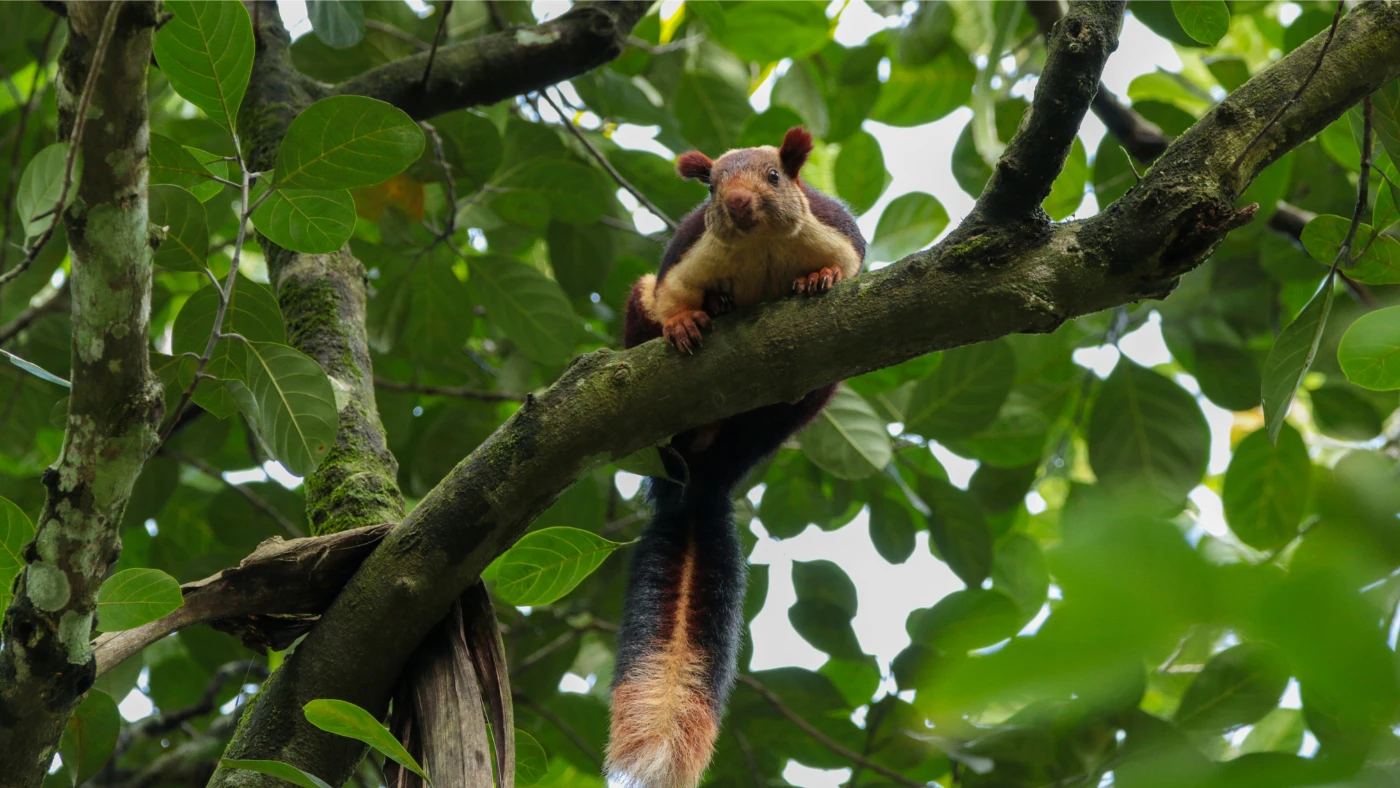
Mudumalai sits in the Nilgiri Hills of Tamil Nadu and is home to the famous Theppakadu Elephant Camp, established in 1910 and one of Asia’s oldest elephant care centers. Conservationists respect Mudumalai, and it became known worldwide after the Oscar-winning documentary The Elephant Whisperers, which showed how mahouts Bomman and Bellie gently cared for the orphaned calf Raghu.
Periyar Tiger Reserve
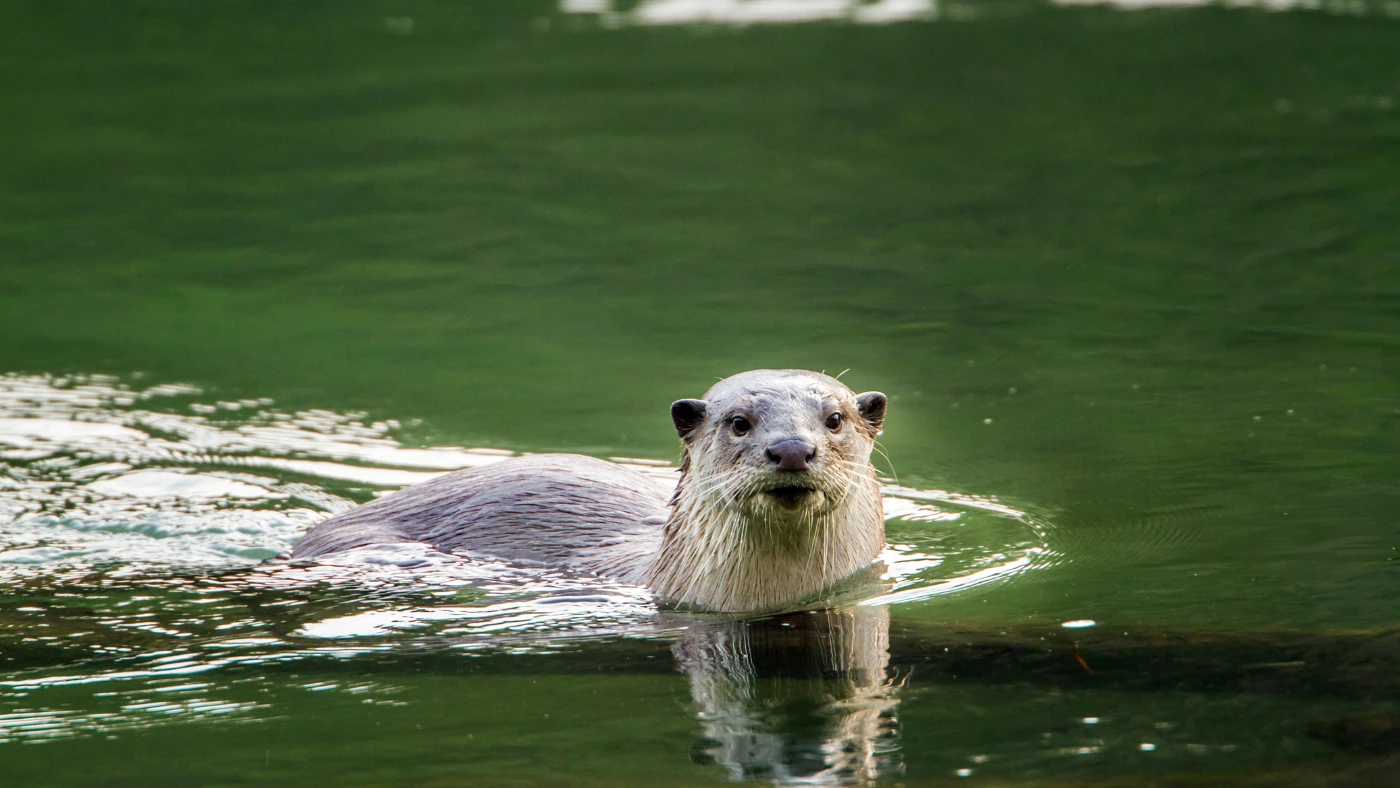
Tucked away in Kerala’s Cardamom Hills, Periyar is known for community-led conservation. Long-running eco-development programs have helped local and indigenous people become nature guides, forest protectors, and partners in caring for the area. Their deep knowledge, along with responsible tourism, shows that nature thrives when locals lead the way. Travelers can help by joining community-run tours like the Tribal Heritage Walk, where local guides share stories about their forest traditions and wildlife spotting skills.
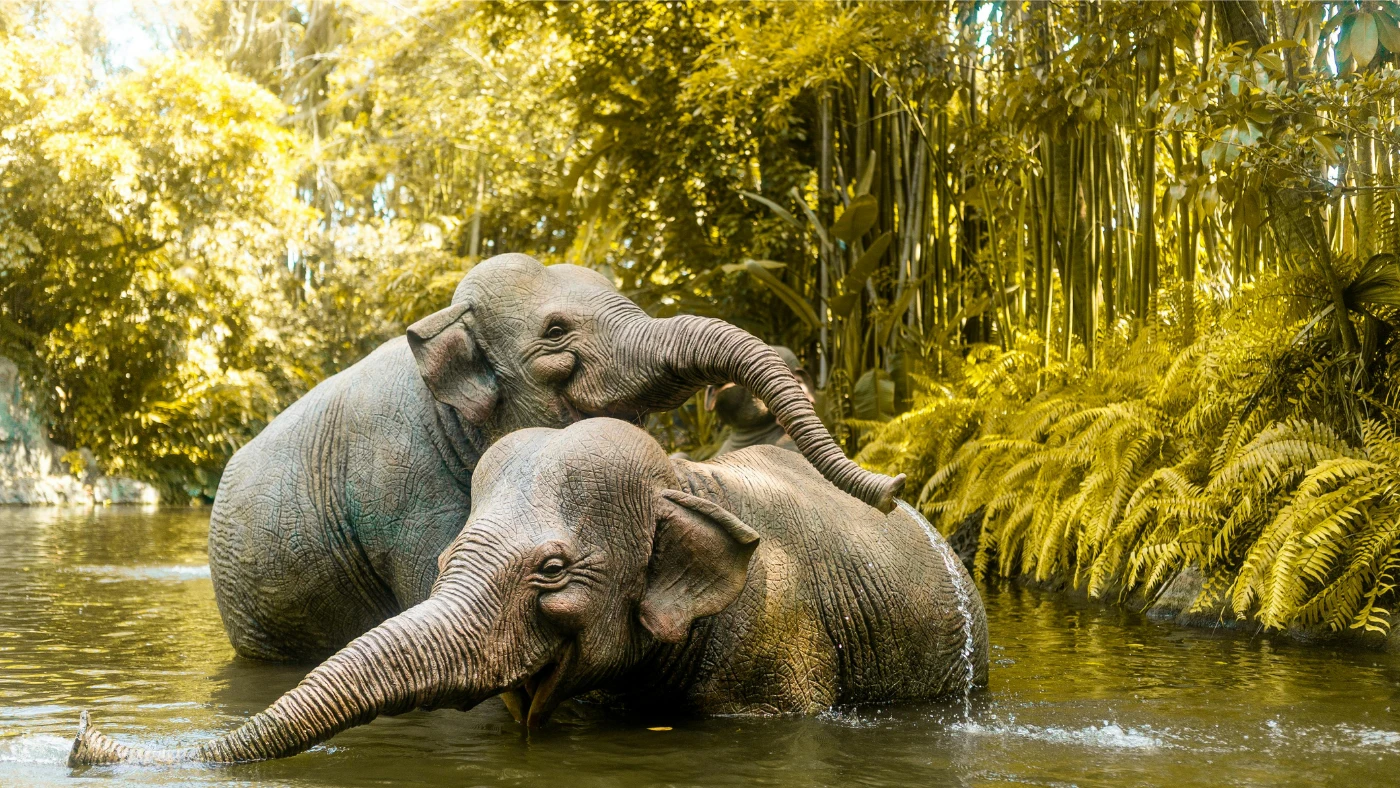
Nagarhole, Bandipur, Mudumalai, and Wayanad together make up the heart of the Nilgiri Biosphere Reserve, one of Asia’s largest protected forests. Together, they support one of the largest contiguous populations of wild Asian elephants and one of India’s highest densities of Bengal tigers. Periyar protects the southern slopes of the Western Ghats, a UNESCO World Heritage Site recognized for its rich biodiversity. These reserves demonstrate the long-term impact of sustained conservation, as years of protection, science, and community support keep these wildlife areas healthy and full of life.


