

You have tick boxed the monuments. You’ve done the museum tours. But here’s what most travellers miss: India’s greatest cities reveal themselves through living architecture and artisans still practising centuries-old crafts within them.
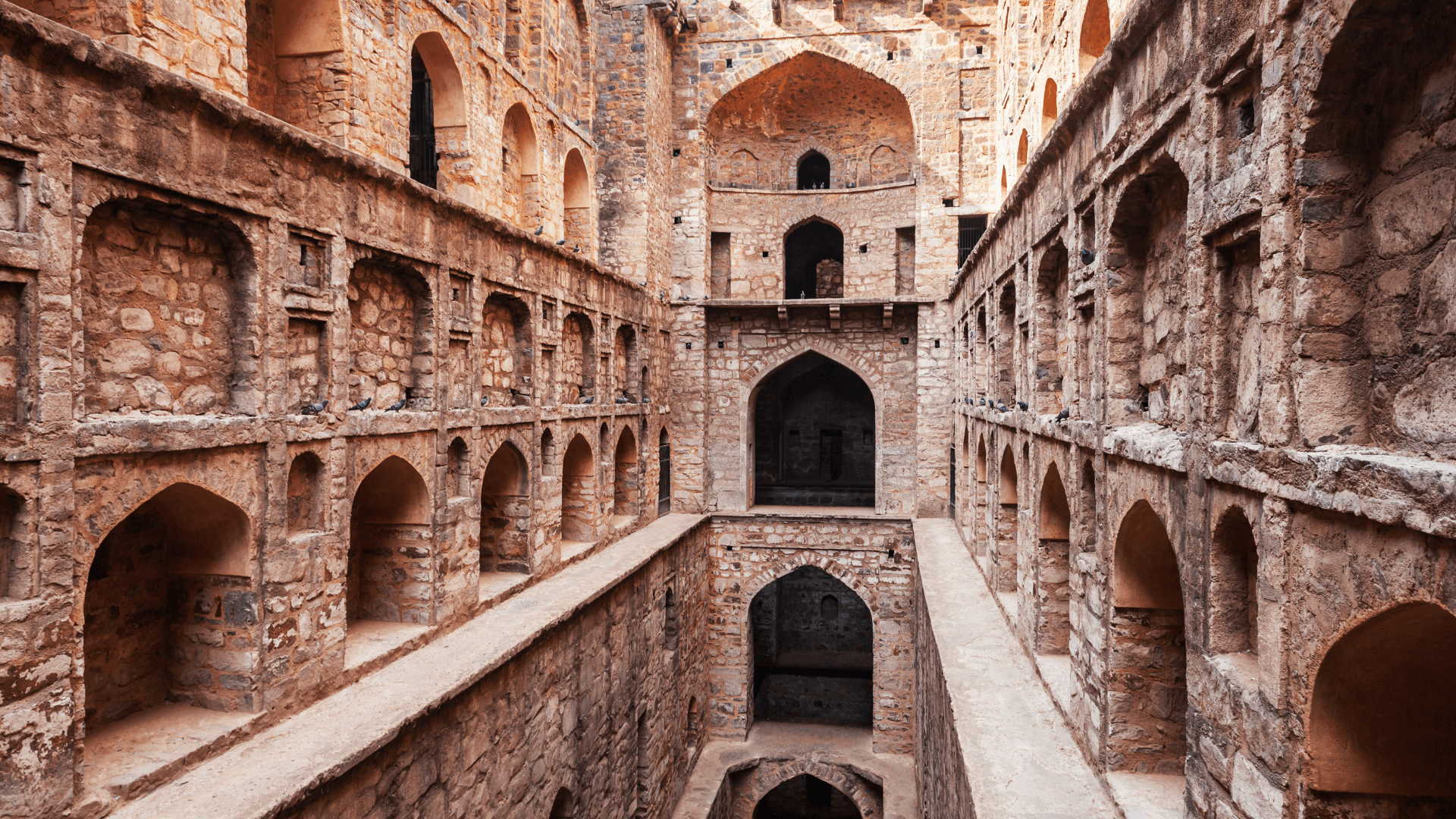
Forget the obvious. Descend into Delhi’s Agrasen Ki Baoli, where 108 steps plunge four levels into the earth through arched corridors. This 14th-century engineering marvel, tucked behind modern high-rises, isn’t just an Instagram backdrop. It’s a bioclimatic system designed to reach fluctuating groundwater year-round, standing as one of only 14 surviving baolis in the capital.
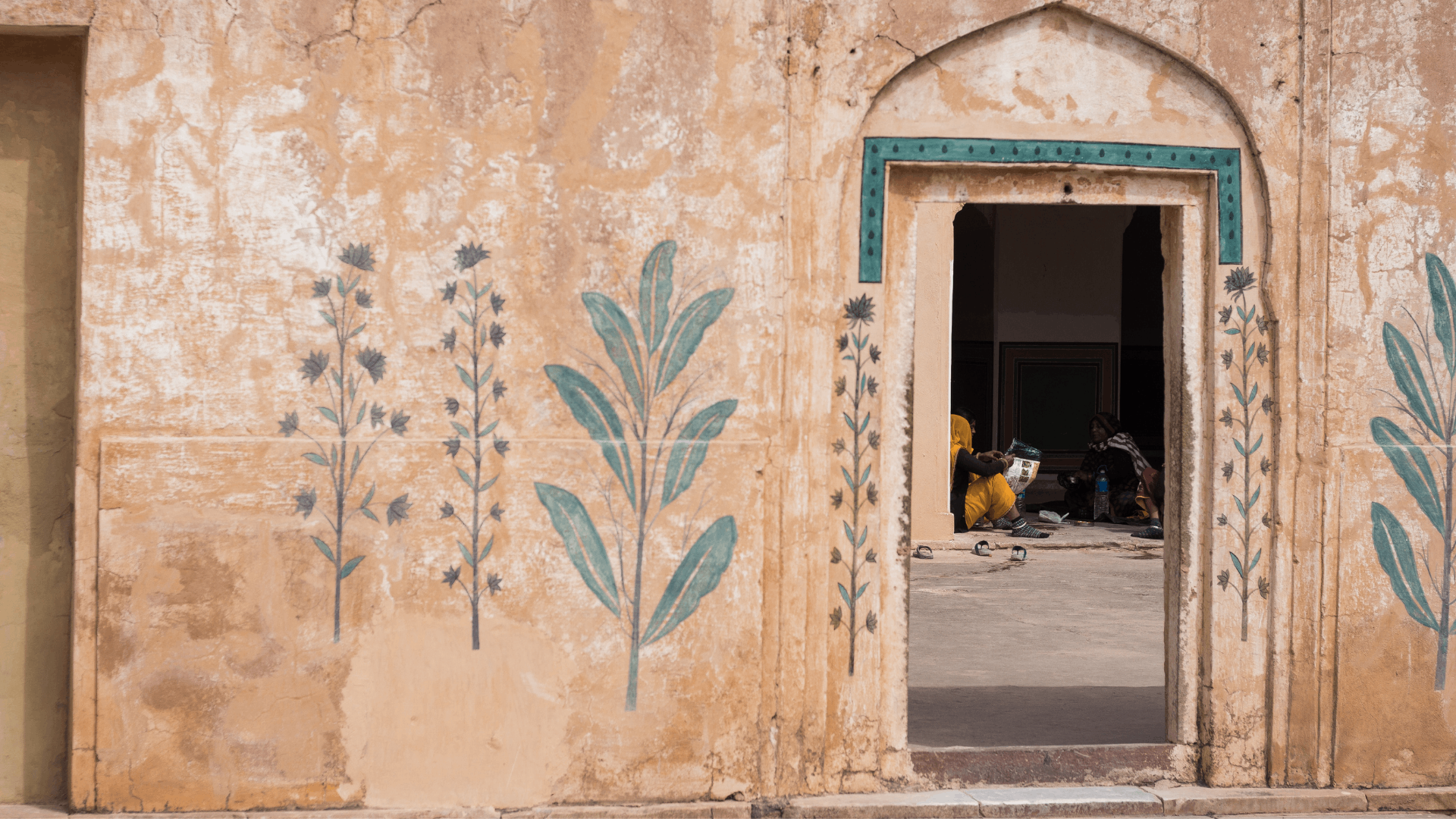
In Jaipur’s Old City, the UNESCO-protected grid hides havelis that still pulsate with life. In the narrow lanes of Purani Basti, Chhipa families work within 300-year-old courtyards, extracting natural dyes from indigo and pomegranate rinds. Here, “slow exploration” means watching a master carver spend days chiselling a single teak block, ensuring every floral motif aligns with mathematical precision—a sophisticated craft that has remained anchored within the city walls since Sawai Jai Singh II first invited artisans to his new capital.
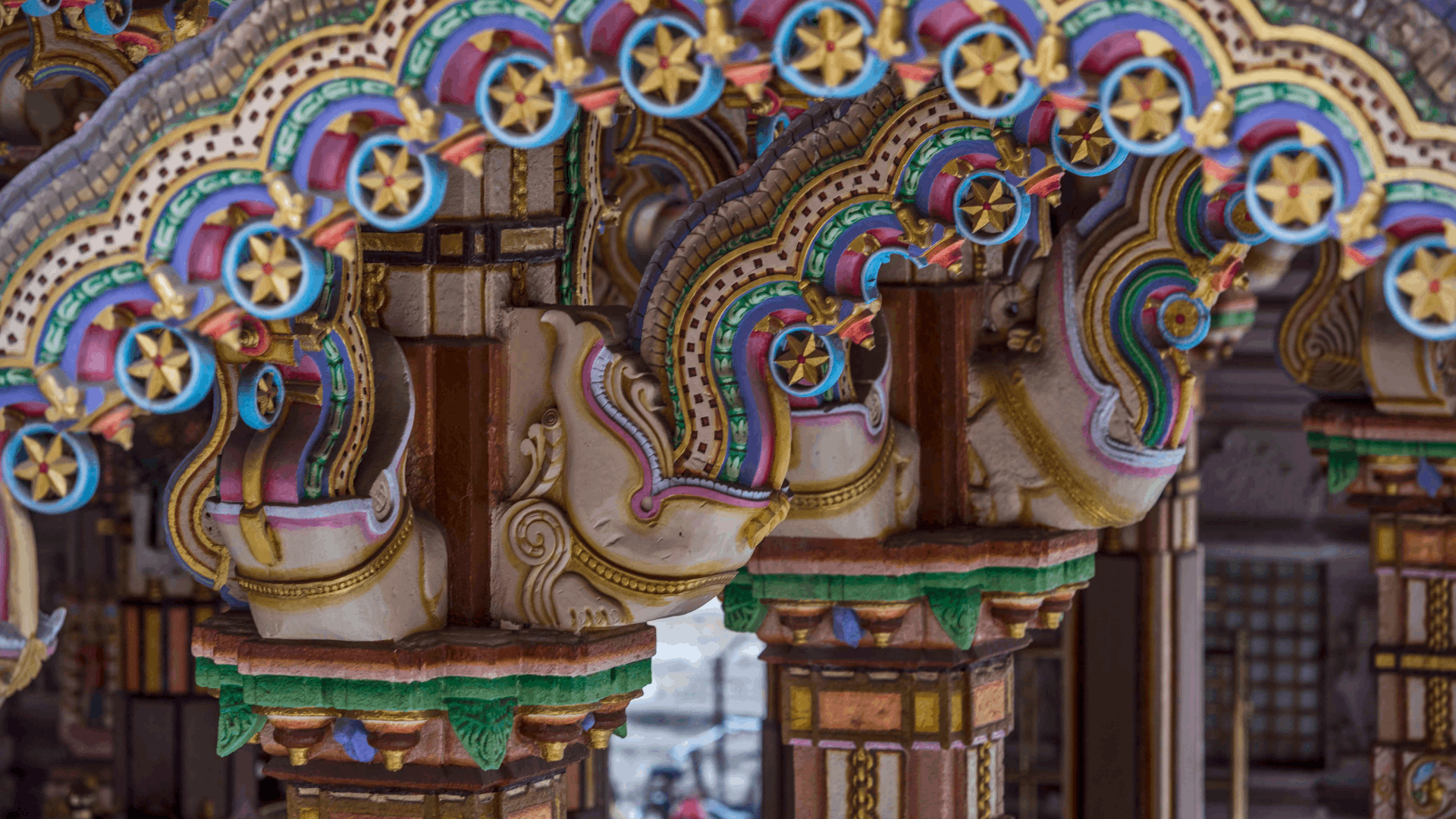
Ahmedabad’s 600 pols weren’t just neighbourhoods, they were fortified communities with front entrances for men to face enemies and secret back entrances through labyrinthine lanes for escape. One haveli displays Peshwa symbols at its entrance (Maratha culture), while another features Persian graveyard motifs, Mughal windows, and even dragon carvings on todlas (wooden pegs) created by a Chinese architect due to language barriers, resulting in a unique Indo-Chinese design. Most travellers miss the cottage industry workers still sitting on charpoys in these courtyards, binding books exactly as their ancestors did.
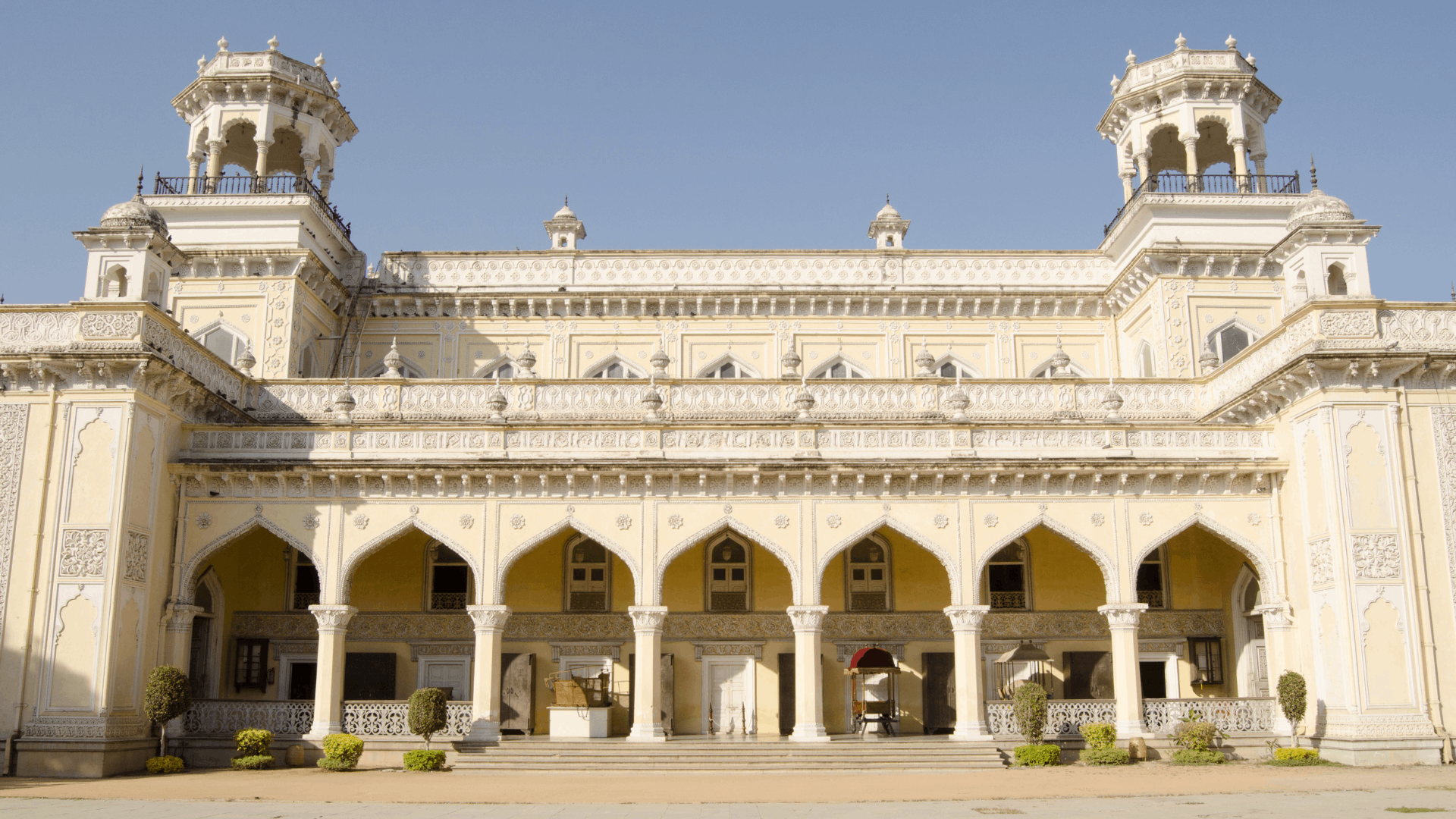
Hyderabad’s Chowmahalla Palace holds a secret most visitors miss: the Khilafat Clock Tower has been ticking since 1913, maintained weekly by an expert family of horologists. People across the kingdom once came here to correct their wrist watches—a tradition locals still honour. Thread from here through Laad Bazaar to watch craftsmen spend three hours creating a single lacquer bangle in workshops operational since Qutb Shahi times, specialising in semi-precious stones, pearls, and Bidriware.
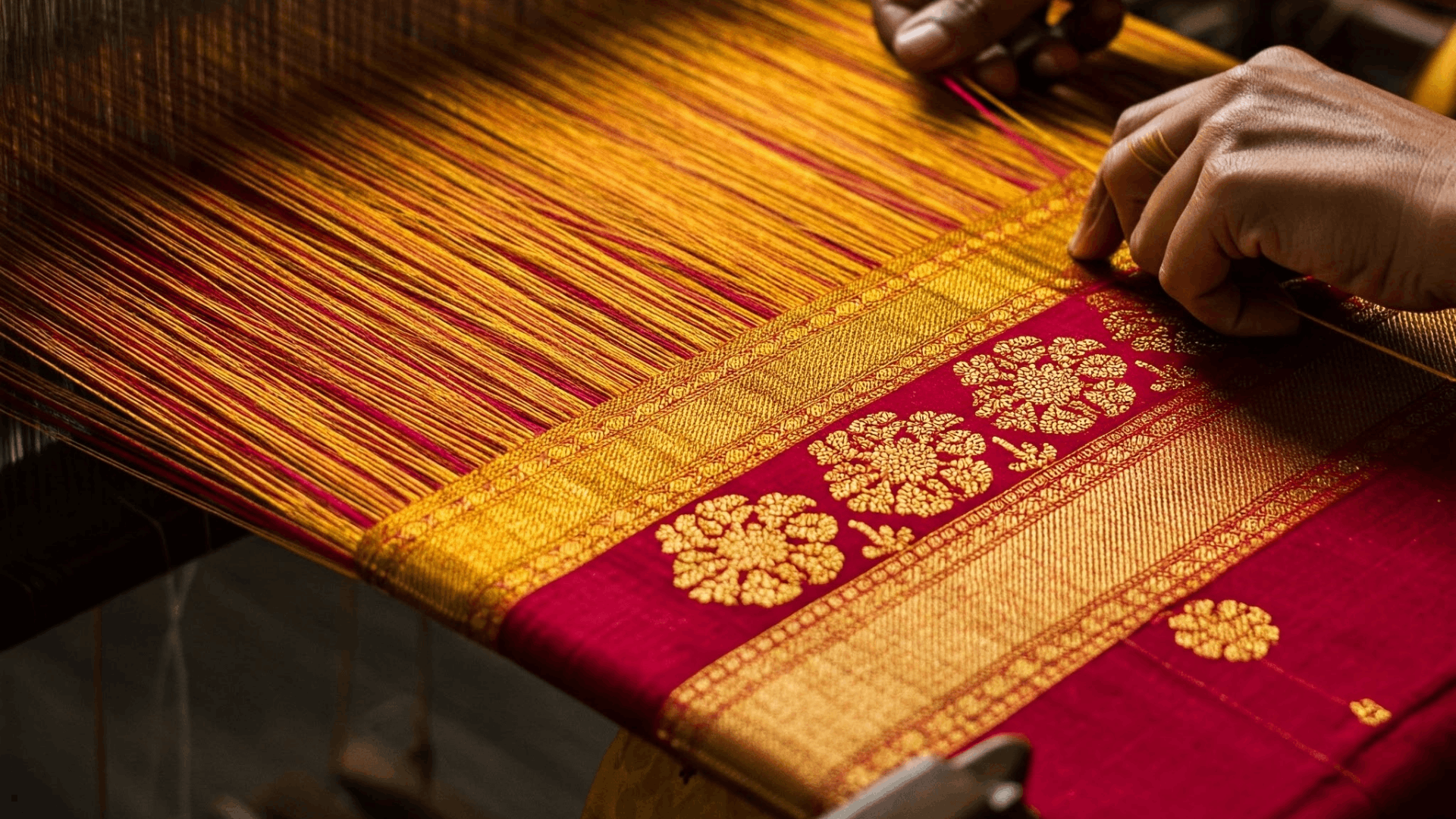
In Varanasi’s Pili Kothi and Lalpura, master weavers like Ranzan Ali represent families practising their craft for 100+ years. Shahid Junaid, eighth-generation descendant of 19th-century weaver Haji Munna, learned by watching his father’s loom: “I’d come back from school, keep my bags on these mattresses, and just sit and watch.” A single Banarasi saree takes 15 days to six months to complete—patience that power looms can’t replicate.

Hampi’s Vittala Temple contains 56 musical pillars (called SaReGaMa pillars after Indian classical music’s initial notes)—each main pillar surrounded by seven smaller ones producing distinct tones when tapped. The Stone Chariot’s wheels were once functional and could rotate; the government eventually cemented them to prevent damage. Look underneath for a relatively well-preserved painting, protected because it was shaded, evidence that Hampi’s sculptures were once covered in similar artwork.
They’re about understanding why Delhi’s baolis were bioclimatic engineering. Why Jaipur’s block-printers use seven different natural pigments for a single design. How Ahmedabad earned UNESCO World Heritage City status through living neighbourhoods where artisans still practice ancestral trades.
Book a walk where guides prioritise craft knowledge over monuments, where you’ll spend time with master weavers whose family pattern libraries contain thousands of traditional designs, and where “slow exploration” means witnessing centuries of technique passed grandfather to grandson. Because understanding how things are made—and why they’re made that way—matters infinitely more than any predetermined itinerary.


