

The story of Indian royalty is often told through the lens of the past, but in 2026, the most compelling chapters are being written in the present. Today, the women of India’s royal houses are far more than custodians of history; they are dynamic leaders, social entrepreneurs, and intellectual guardians who bridge the gap between ancient legacy and global progress.
From the boardrooms of heritage brands to the frontlines of rural empowerment, these women are using their platforms to drive meaningful change. They are the ultimate cultural curators, blending a deep sense of heritage with a modern vision for impact.
The Visionary Blueprint and A Legacy of Revival: Ahilya Bai Holkar & Sally Holkar
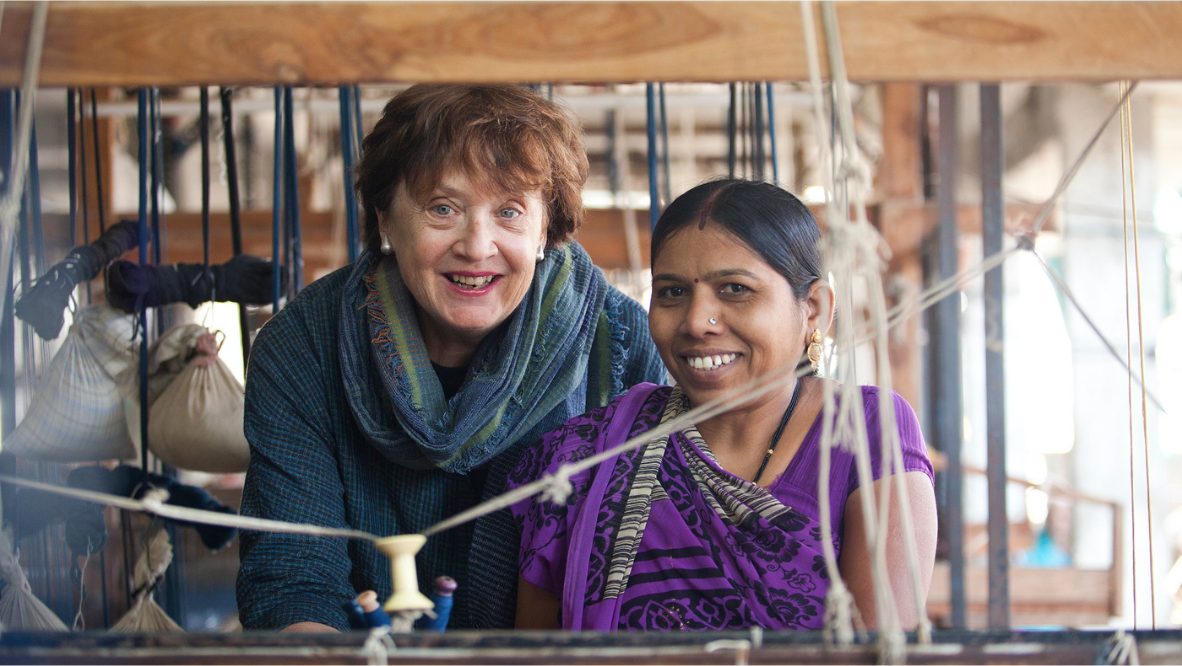
To understand the philosophy of the modern royal woman, one must look to Maharani Ahilya Bai Holkar of Indore. An 18th-century philosopher-queen, she led with a profound sense of public duty and economic foresight. By establishing the Maheshwari weave as a cornerstone of regional prosperity, she demonstrated that royal patronage is most powerful when it empowers the community. Continuing this 250-year-old journey is Sally Holkar, whose dedication has brought the Maheshwari tradition to the global forefront. By co-founding the REHWA Society and WomenWeave, she transformed a fading craft into a world-renowned symbol of luxury and sustainability. Her five decades of service, recognized with the Padma Shri in 2025, serve as a testament to how traditional craftsmanship can be successfully integrated into the modern global economy while uplifting thousands of women weavers.
The Renaissance of Craft: Radhika Raje Gaekwad
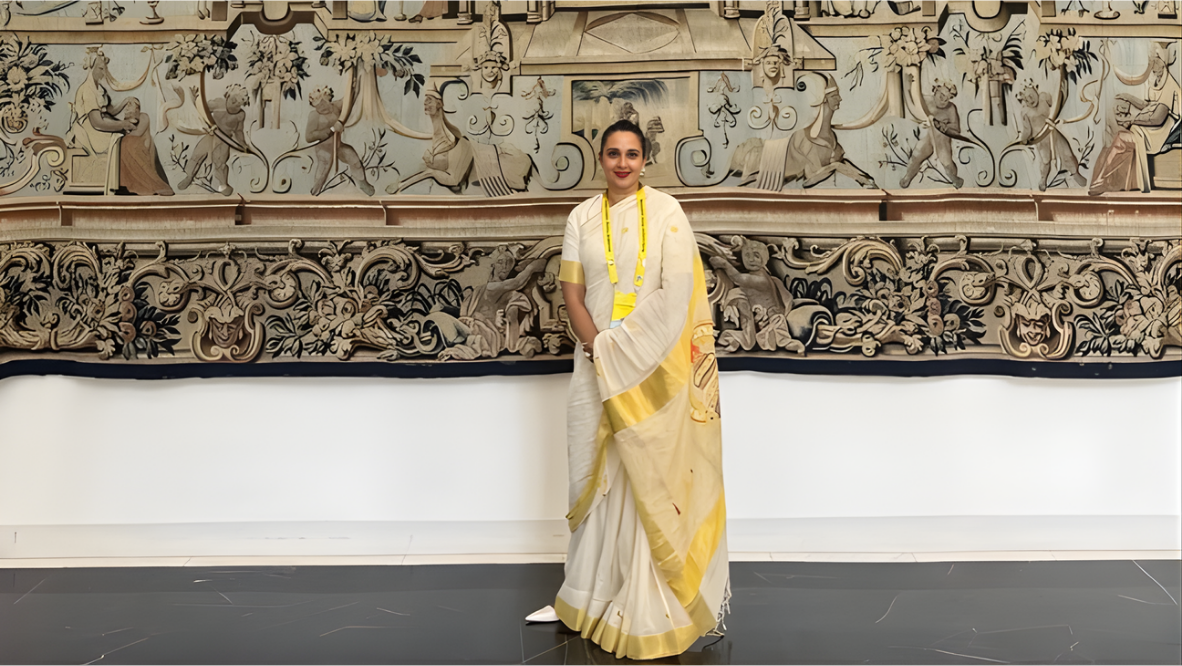
Radhika Raje Gaekwad of Baroda exemplifies the role of the modern heritage advocate. With a background in journalism and a deep respect for technical mastery, she has been a tireless champion for the revival of the Chanderi and Baroda Shalu weaves. By showcasing these textiles as the ultimate expressions of sustainable luxury, she ensures that these ancient arts retain their cultural relevance and economic viability in an ever-changing fashion landscape.
Pioneers of Impact Tourism: Akshita and Mrinalika Bhanj Deo
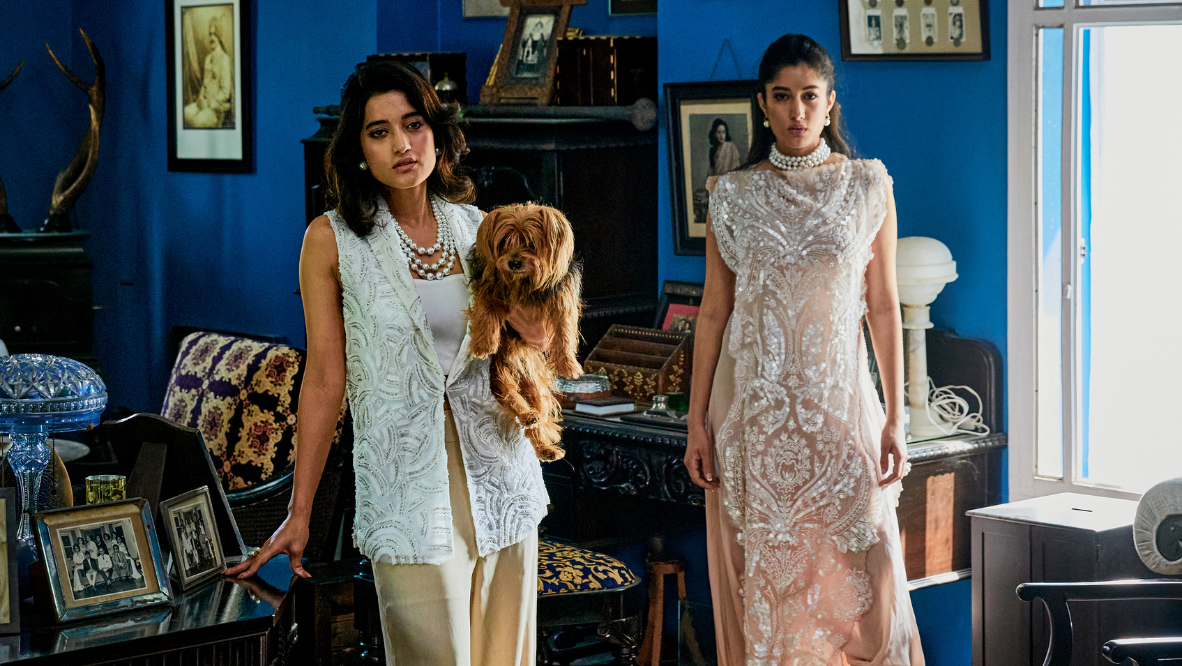
In Odisha, princesses Akshita and Mrinalika Bhanj Deo are redefining the concept of the ancestral home. By transforming The Belgadia Palace into a hub for “impact tourism,” they have created a model where luxury hospitality directly supports community development. Their work ensures that the revenue from tourism flows back into the preservation of local arts—specifically Sabai grass weaving and the Chhau dance—placing tribal communities at the heart of the heritage narrative.
Artistic Foresight: Rajmata Satwashiladevi Bhonsle
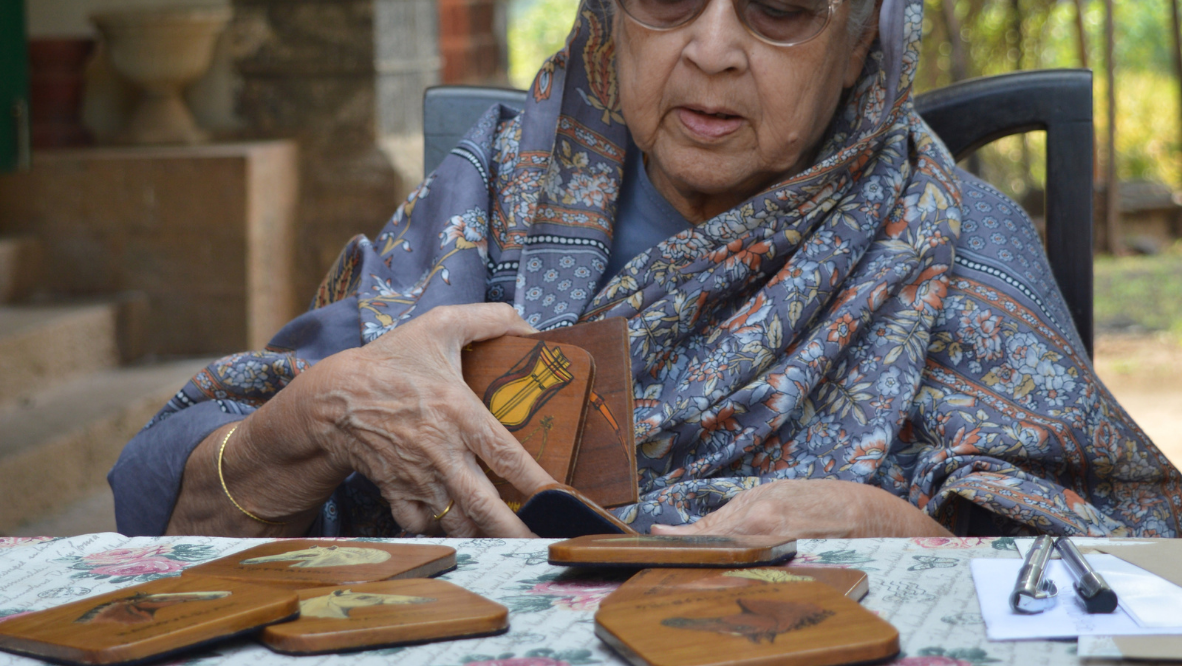
The preservation of niche heritage requires a unique kind of foresight, a trait personified by the late Rajmata Satwashiladevi Bhonsle of Sawantwadi. Starting in 1971, she dedicated herself to saving Ganjifa—the intricate, hand-painted playing cards that were on the verge of vanishing. Her palace-based workshops elevated this art into an international design treasure, proving that the preservation of even the smallest tradition is a profound act of cultural service.
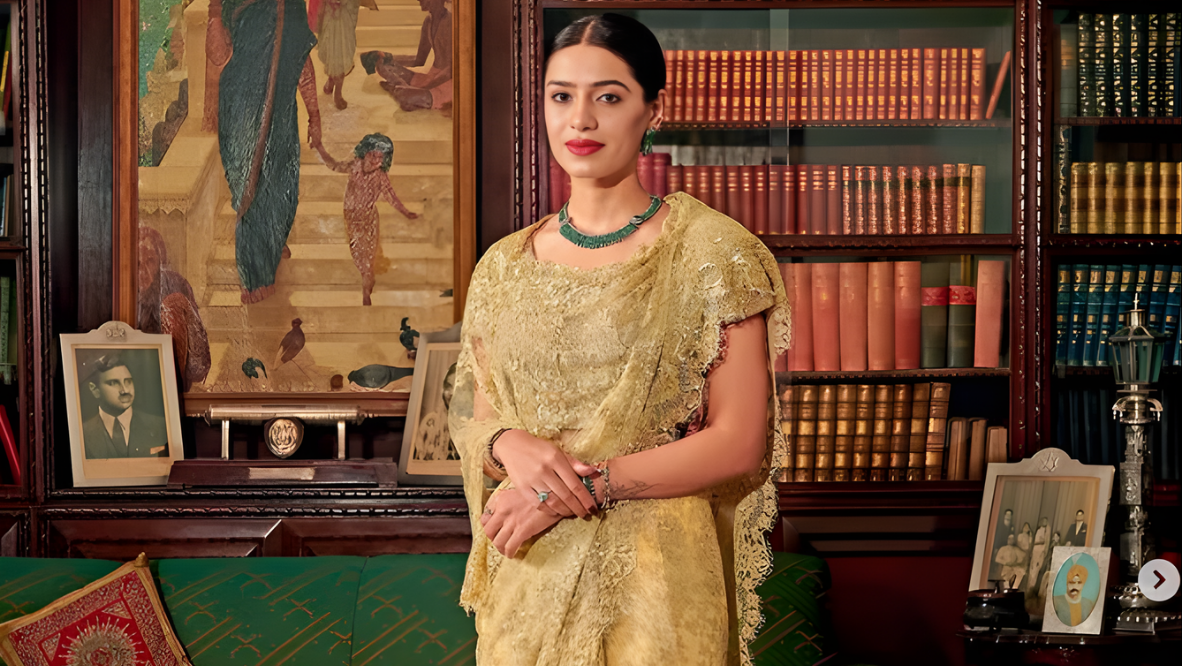
Bridging the Eras: Brijeshwari Kumari Gohil
Recognizing that history must be accessible to remain vibrant, Princess Brijeshwari Kumari Gohil of Bhavnagar acts as a vital bridge between the archives and the future. An accomplished art historian and curator, her work with Bhavnagar Heritage and INTACH focuses on the meticulous restoration of heritage sites and libraries. Through her storytelling and conservation efforts, she ensures that the intellectual and artistic wealth of the past is preserved as a source of inspiration for future generations.
A Living Legacy
These remarkable women exemplify how the role of royalty has evolved into a force for empowerment and progress. By connecting rural artisans to global markets and turning heritage into sustainable enterprise, they are ensuring that their legacy is defined by cultural pride and economic vitality—weaving the wisdom of the past into the promise of tomorrow.


