

For many families, the dream of an Indian wildlife holiday starts with visions of tigers. But when you ask young travelers what lingers in their memories, their answers are often delightfully unexpected.
It is a pleasure to spot fresh pugmarks along a winding forest path. The awe of seeing elephants materialize from the early mist. The calm focus of identifying a butterfly sitting beside a bubbling stream. Evenings unfold beneath a star-filled sky, as a naturalist weaves spellbinding tales of the forest and its extraordinary residents.
India’s wild landscapes promise much more than just wildlife drives. From Assam’s sweeping grasslands and Central India’s deep forests to Ladakh’s lofty plateaus, these landscapes inspire curiosity, sharpen observation, and kindle a lasting love for nature. While seasons vary by destination, October through April offers excellent conditions across many of India’s premier wildlife regions.
Here are some of India’s most memorable wildlife experiences for families
1. Learn to Read the Woodland Like a Tracker
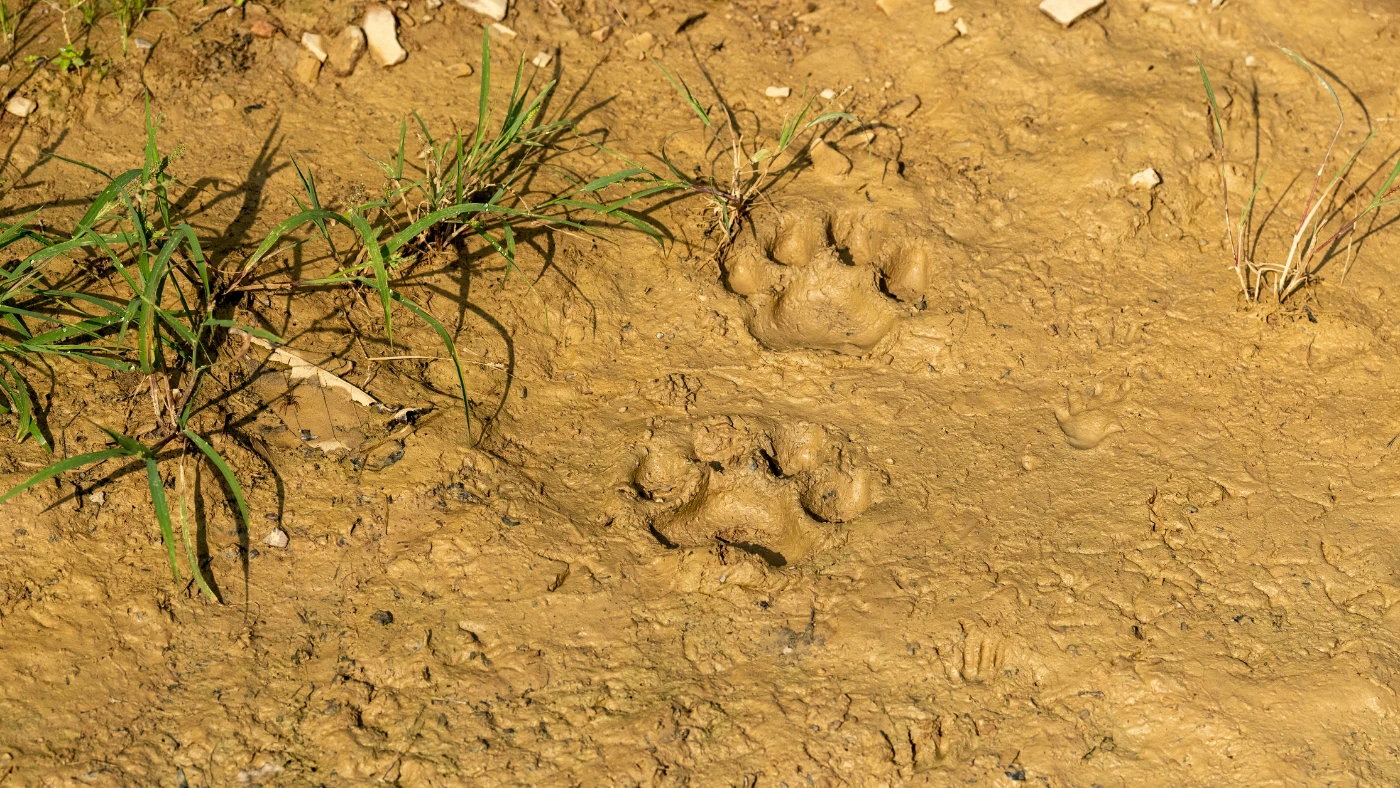
Before a tiger is ever seen, the forest usually reveals its clues.
Experienced naturalists in parks such as Kanha National Park, Satpura Tiger Reserve, and Dudhwa National Park teach families to identify fresh pugmarks, recognize alarm calls from deer and langurs, spot scratch marks on trees, and notice the faint signs that reveal wildlife is nearby. Many introductory tracking activities are suitable for families, while longer walks and more immersive experiences are often better suited to older children and teenagers.
Young explorers quickly realize that a safari is more than just spotting animals; it is about understanding the secrets written in the language of the forest.
In Dudhwa, where wetlands, grasslands, and dense sal forests support tigers, greater one-horned rhinoceroses, leopards, and an exceptional diversity of birdlife, experienced local naturalists bring generations of ecological knowledge to life, turning every walk and drive into a captivating lesson in the rhythms of the forest.
2. Explore the Wilderness on Foot and by Water
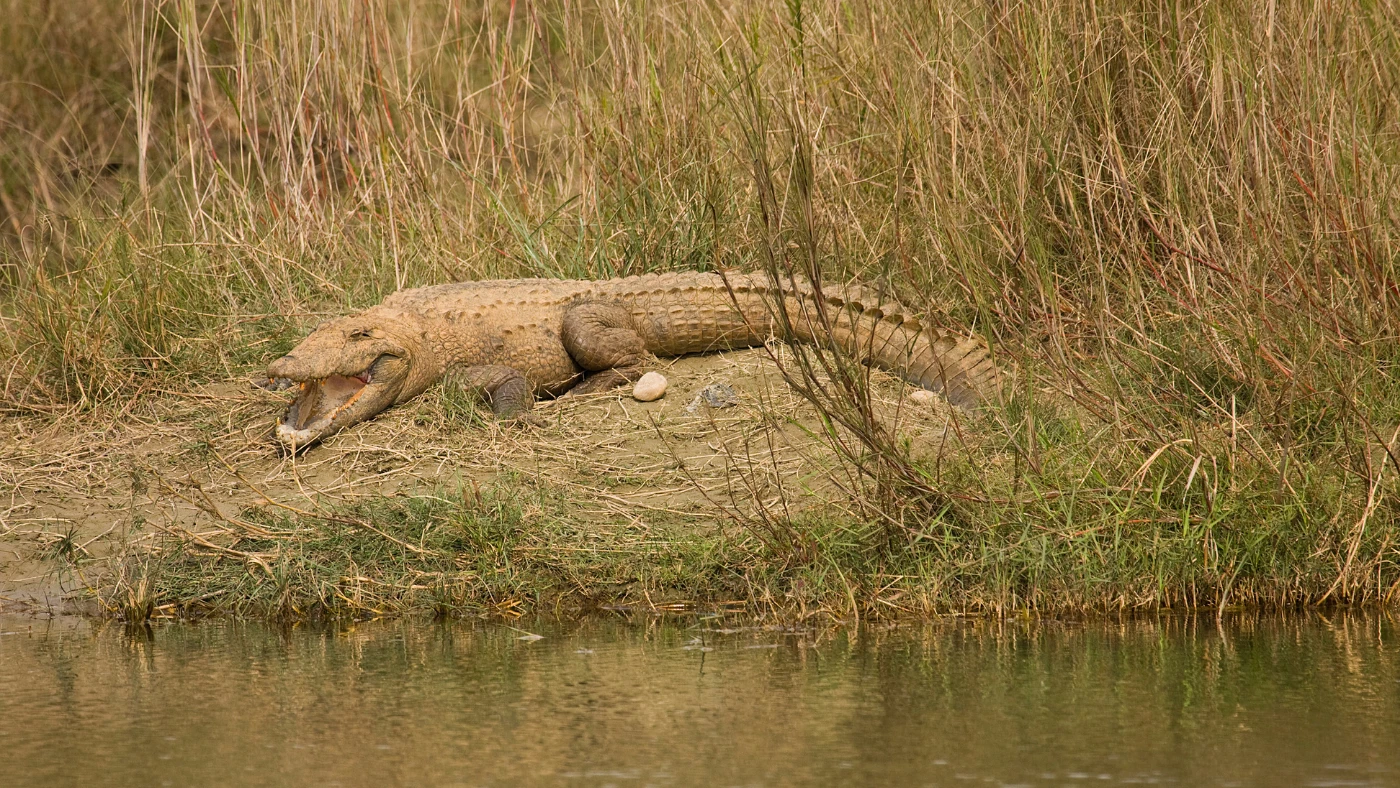
Some of the most magical wildlife encounters happen far from the confines of a jeep.
Satpura Tiger Reserve is one of the few tiger reserves in India where professionally guided walking safaris are a defining experience. Accompanied by trained naturalists and forest guards, families can quietly explore the forest at ground level, noticing birds, insects, butterflies, and animal tracks that are often missed from a vehicle.
Nearby waterways also offer canoe safaris, where mugger crocodiles bask along the banks while kingfishers, fish eagles, and other waterbirds dart overhead.
Further south, Kabini in Karnataka invites families on boat safaris across its glistening backwaters. Here, wild elephants swim between islands, smooth-coated otters are often seen along the banks, and painted storks, cormorants, and other waterbirds forage in the shallows, showcasing a whole new side to India’s wildlife.
3. Look Beyond the Big Mammals
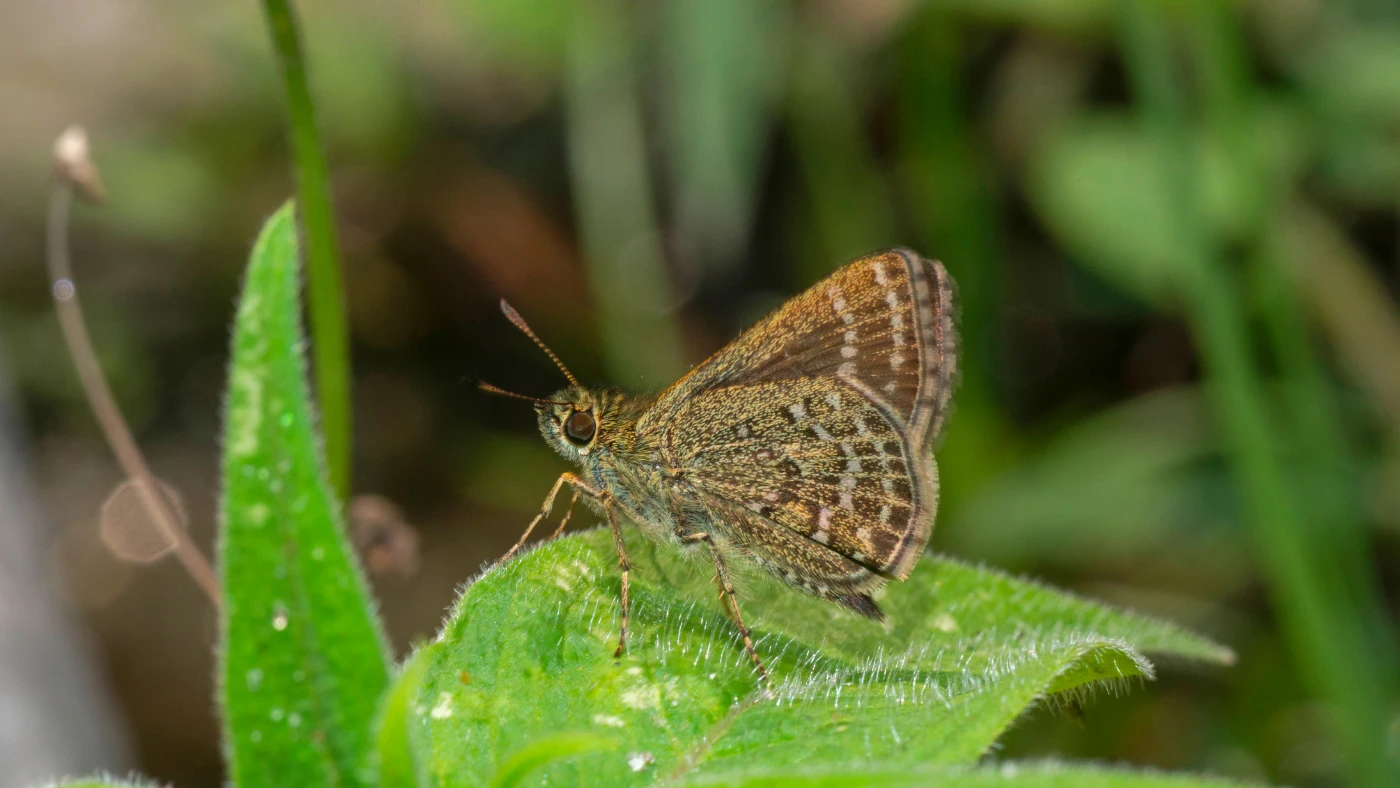
Sometimes, the tiniest discoveries leave the biggest impressions.
India is home to more than 1,300 butterfly species and over 1,300 bird species, making many of its forests extraordinary outdoor classrooms.
In Satpura, young naturalists may spend an afternoon following butterfly trails, learning why colorful species gather beside streams after the monsoon.
In Kabini and the surrounding forests, part of the UNESCO-listed Western Ghats and one of the world’s great biodiversity hotspots, families can look for Malabar giant squirrels, hornbills, drongos, bee-eaters, and countless other species alongside expert guides.
Many lodges invite young guests to keep bird lists, sketch wildlife, or jot down discoveries in nature journals, drawing them further into the living network of the wild. Parents can pack a small notebook, colored pencils, and child-friendly binoculars. These simple tools turn children into eager explorers on every adventure.
Instead of just spotting wildlife, children begin to discover the intricate web connecting plants, insects, birds, and mammals that keeps these ecosystems thriving.
4. Meet the Communities Who Live Alongside Wildlife
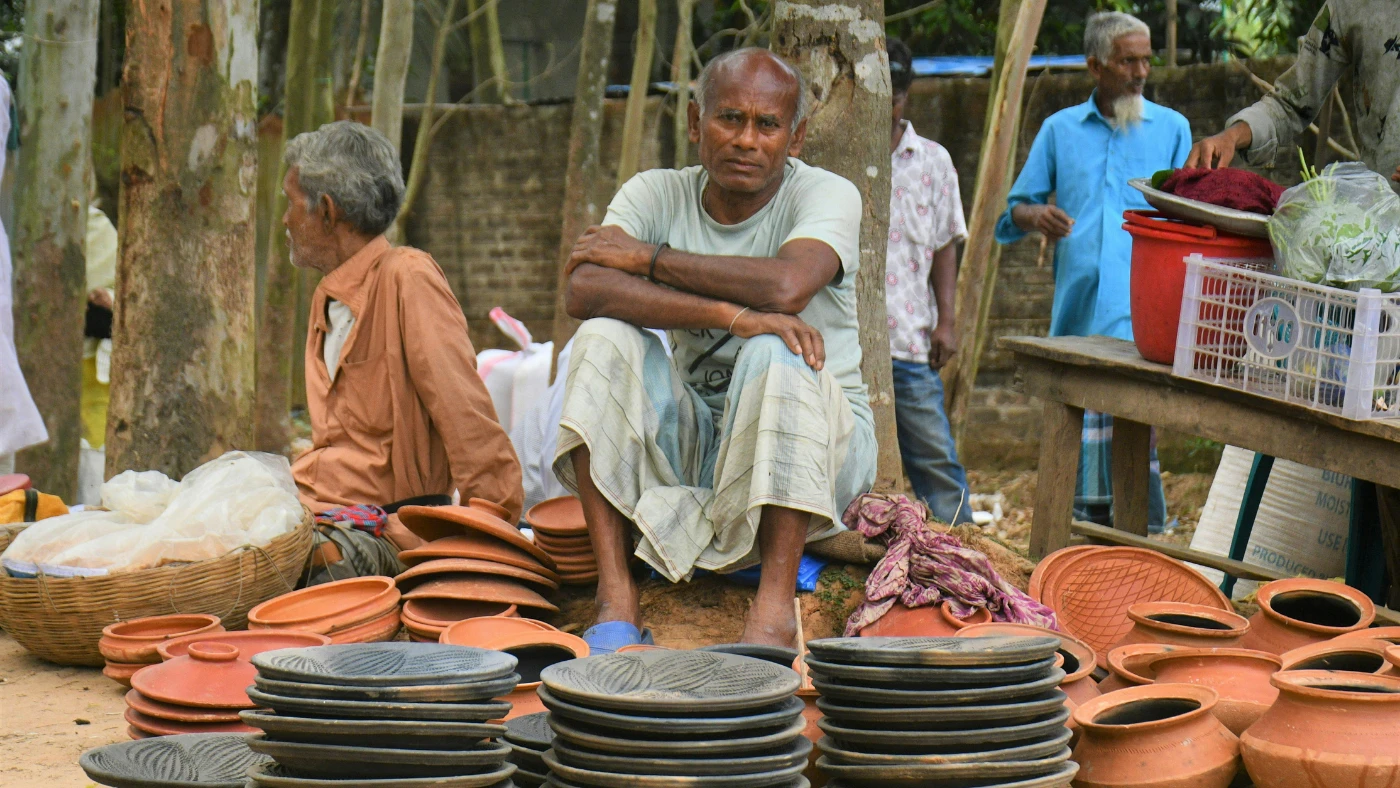
Conservation is as much a story about people as it is about wildlife.
Around Dudhwa National Park, families can learn about the traditions of the Tharu community, whose relationship with these forests has evolved over generations.
Depending on the lodge and its local partnerships, visits near Pench National Park may include pottery demonstrations, traditional cooking, farming practices, and conversations with residents about life alongside wildlife.
These occasions help young travelers see that safeguarding nature relies not just on national parks, but also on the communities who share their world with wild creatures.
5. Follow India’s Greatest Conservation Storiese
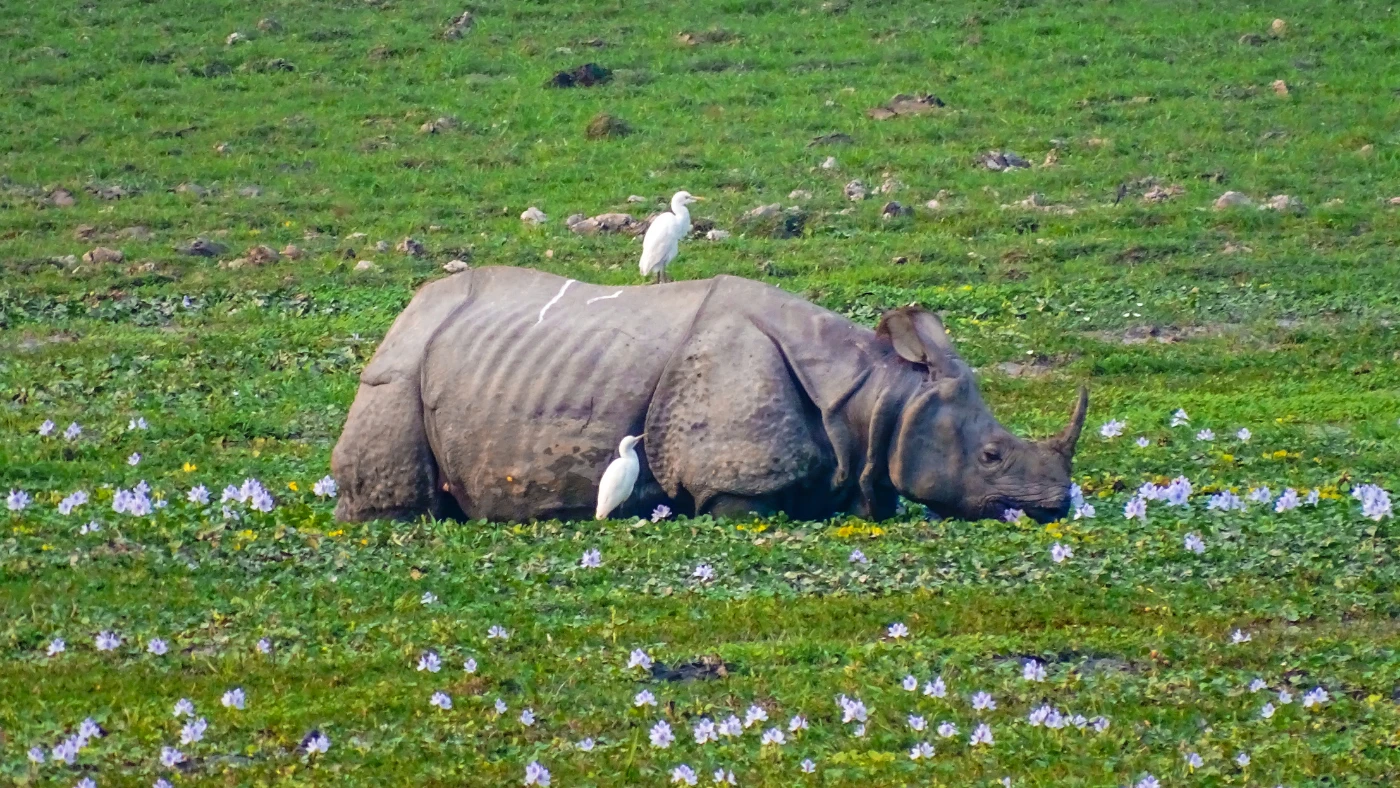
Some of India’s most uplifting wildlife tales are those of remarkable recovery.
At Kaziranga National Park in Assam, families encounter the world’s largest population of the greater one-horned rhinoceros—a remarkable conservation success after the species was driven to the brink of extinction in the early twentieth century. In Kanha National Park, they discover how several decades of committed conservation helped recover the hard-ground barasingha, a subspecies found nowhere else on Earth.
These stories turn wildlife viewing into a deeper experience, revealing how scientists, forest rangers, conservationists, and local communities join forces to safeguard endangered species.
6. Explore India’s Wild Waters
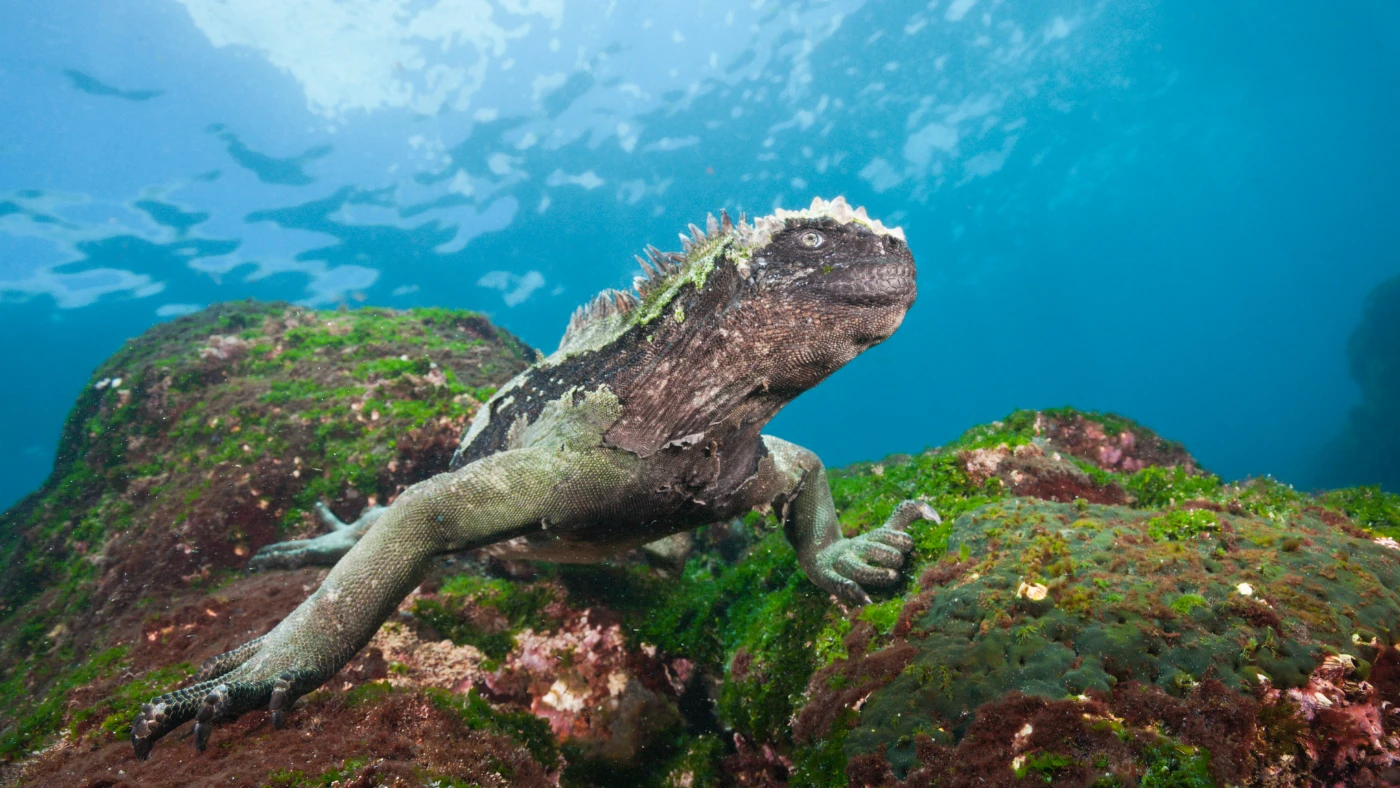
India’s astonishing biodiversity extends well beyond its forests.
In Chilika Lake, Odisha, families can head out with expert guides in search of the lagoon’s famous Irrawaddy dolphins while learning about one of Asia’s largest brackish water ecosystems and its extraordinary birdlife.
In the Andaman Islands, responsible snorkeling excursions reveal bright coral reefs filled with reef fish, giant clams, and sea turtles, introducing children to an entirely different side of India’s natural heritage.
These marine adventures remind young travelers that conservation runs through forests, grasslands, wetlands, rivers, and the sea.
At Greaves, we believe the most meaningful family journeys reach beyond the safari, crafting thoughtful adventures that spark a lasting affection for nature, one unforgettable discovery at a time. Every family is unique, so each plan is carefully shaped to match your interests, ages, and
travel style. Whether your children are drawn to wildlife tracking, creative nature journaling, birdwatching, or stargazing with an expert naturalist, we partner with outstanding guides and lodges to create experiences that are as enriching as they are unforgettable.


