

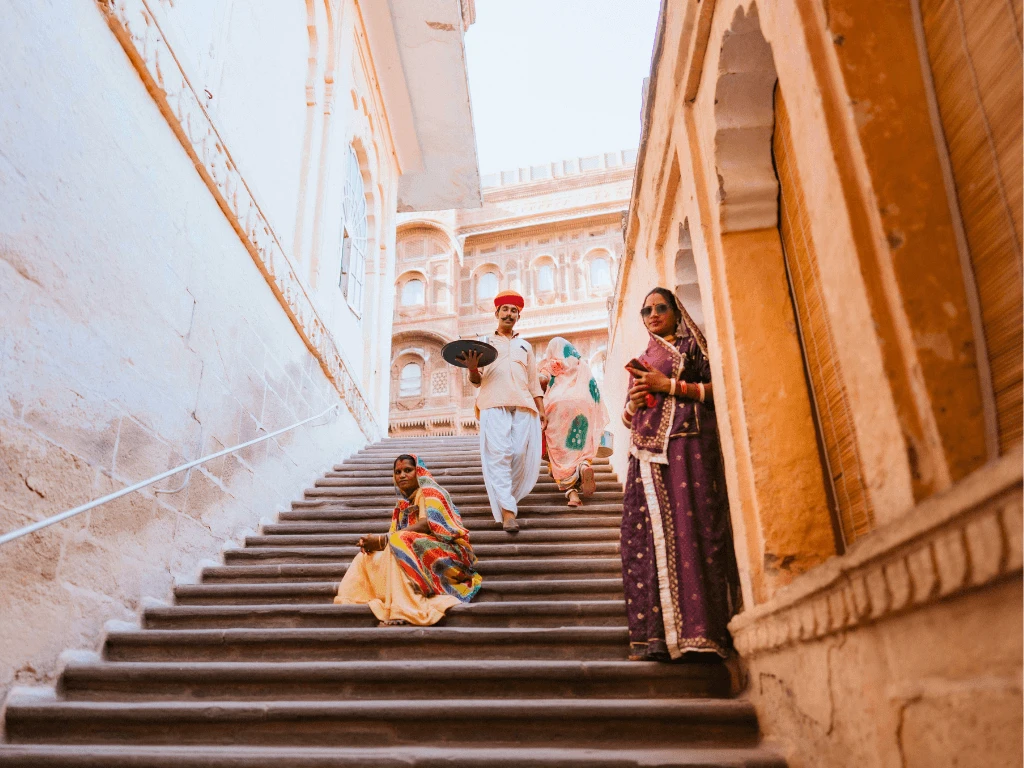
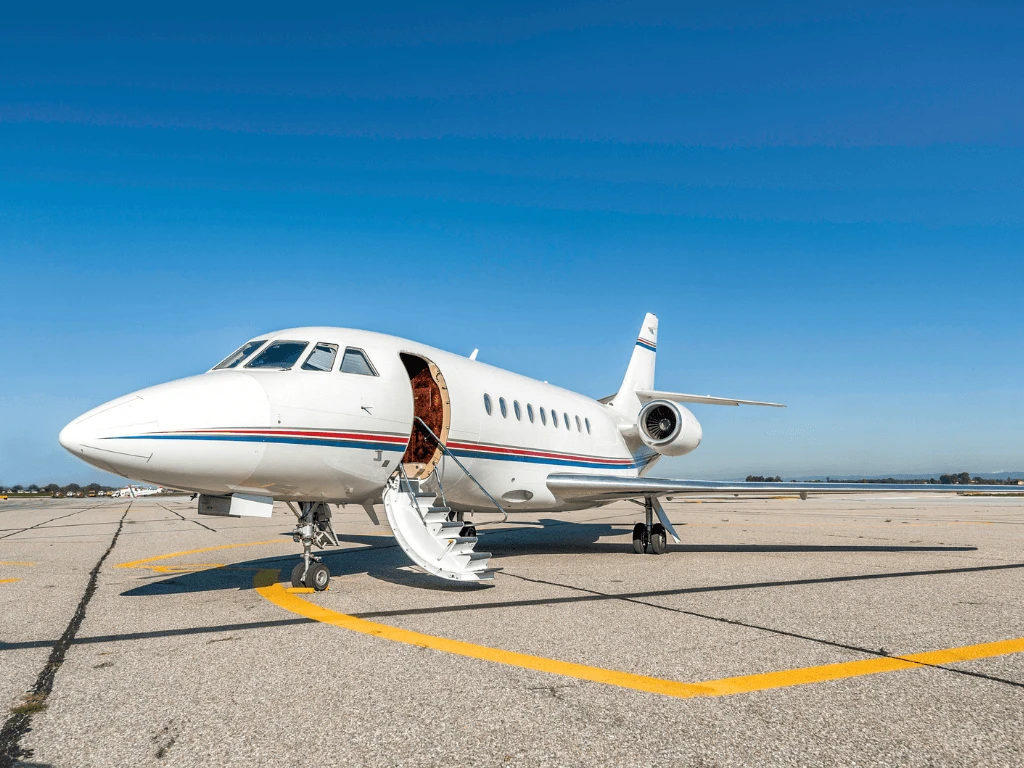
You can cross India in a week, visit many of its best‑known destinations, and still feel as though you only skimmed the surface. On a tightly paced itinerary, the journey between places can easily become mere transfer. In luxury travel, speed and efficiency, private aviation, non‑stop sectors, and seamless hand‑offs have their place, especially when time is tight. But the real advantage isn’t speed alone; it’s choosing the pace. A well‑placed flight can unlock remote reserves or festivals; a deliberately slower leg can add texture. Decide which chapters you want to read quickly, and which you’d rather inhabit for a while.
A hotel on wheels, not just another hotel
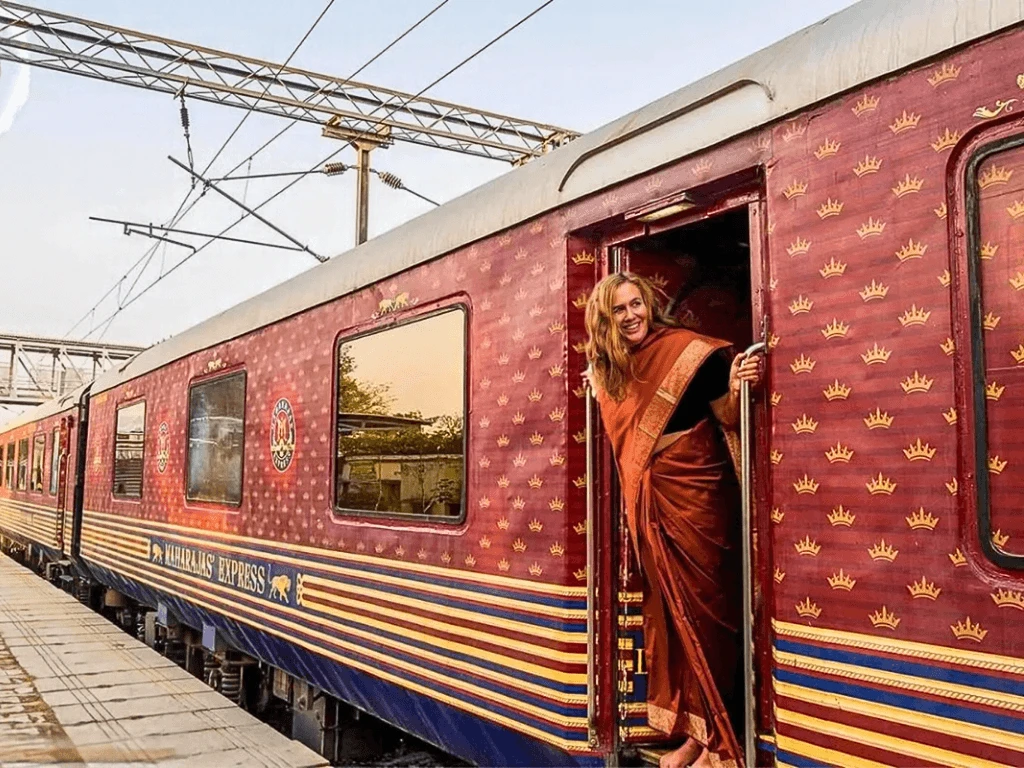
Think of the Maharajas’ Express not simply as a train, but as a luxury hotel on wheels built around generous picture windows and uninterrupted views.
The Maharajas’ Express offers 43 cabins and suites across four categories, accommodating up to 88 guests, with en suite bathrooms and wide windows that make the journey part of the experience. Two restaurants, bar cars, and three‑ and six‑night circuits through Rajasthan, Agra and beyond turn travel into a moving hotel.
The practical advantage is straightforward: you unpack once, stay in the same cabin throughout, and wake to a different view as the journey progresses.
The train doesn’t compete with a jet. It does something different, turning the hours between marquee stops into part of what you remember.
Rail journeys that slow time
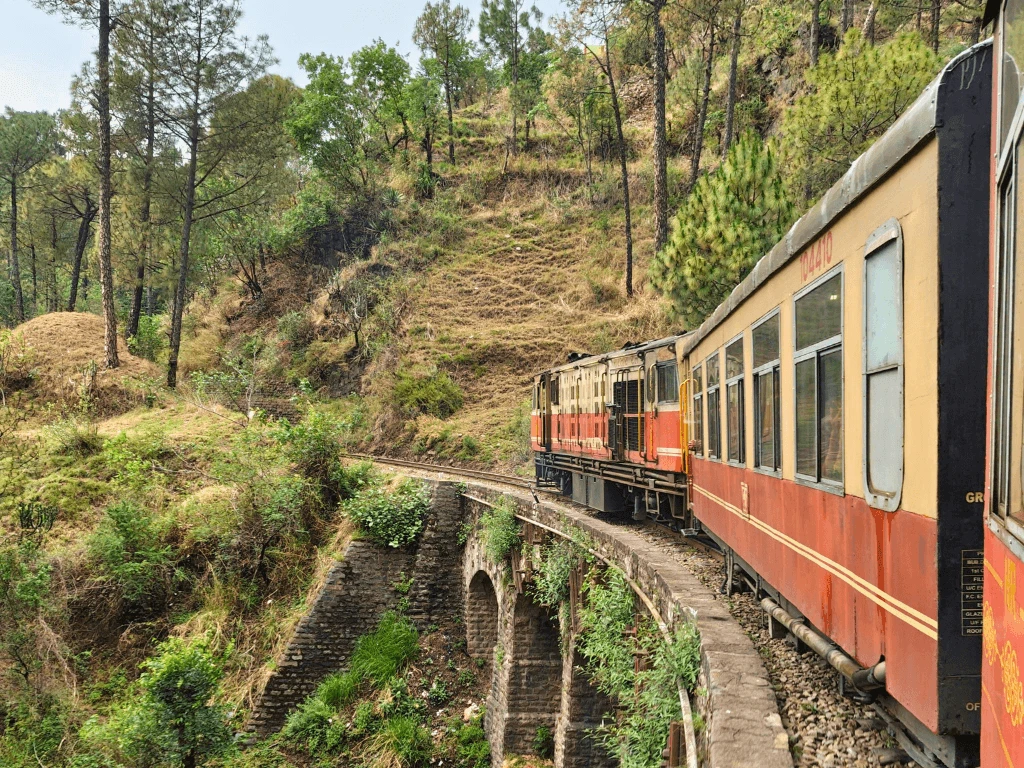
Heritage and rural trains offer some of the most rewarding “in‑between” days on an India itinerary. UNESCO’s Mountain Railways of India include the Darjeeling Himalayan, Nilgiri Mountain and Kalka–Shimla lines, each threading slowly through hills on metre‑gauge tracks and, in Nilgiri’s case, a rack‑and‑pinion section that climbs about 46 km from Mettupalayam into cooler tea country. Several hours in a hill carriage become a sequence of tunnels, bridges, forests and valley views, with the ascent, the temperature change and the rhythm of the journey staying with you long after you step off.
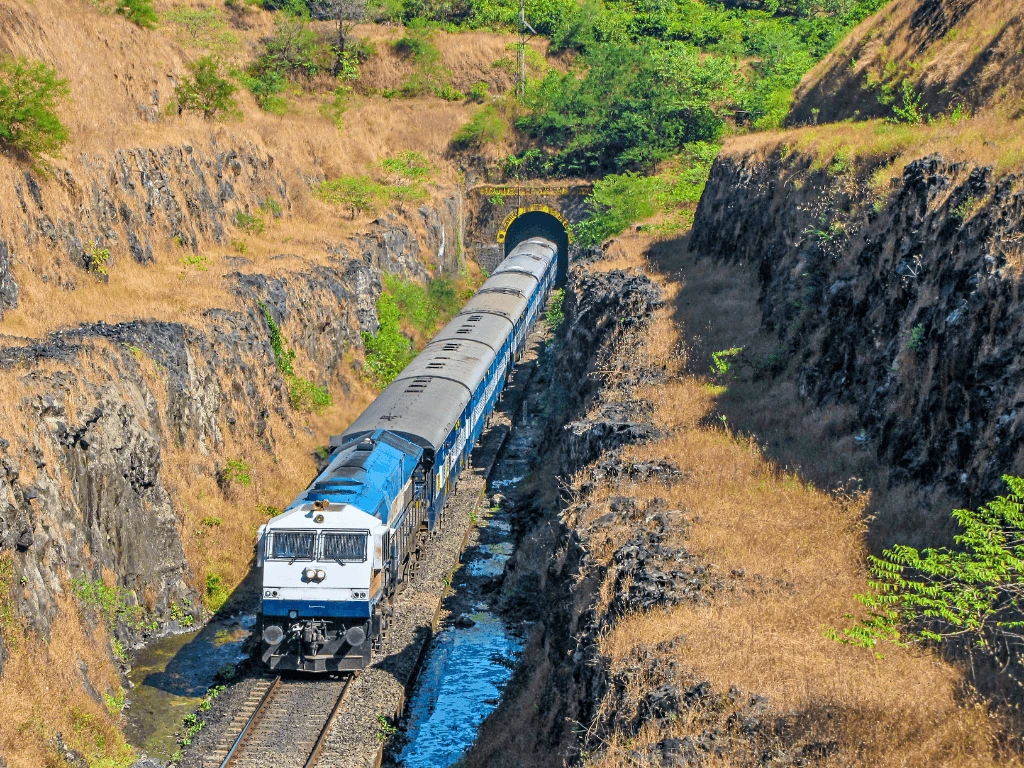
Further west, the Konkan Railway’s coastal daytime services run roughly 739 km between Roha and Thokur, crossing rivers, estuaries, and low hill ranges with more than two thousand bridges and 91 tunnels; you sit in air‑conditioned comfort as the Arabian Sea region unfolds at ground level. In Rajasthan, local metre‑gauge rural trains across the Aravalli section add another note altogether: wooden seats, villagers, pilgrims, wedding parties, monkeys at small stations, all at a pace where you’re part of everyday travel rather than observing it from a distance.
Road days that earn their place
People often treat road transfers as something to endure between planned experiences. With the right vehicle, driver, and schedule, they can become something more.
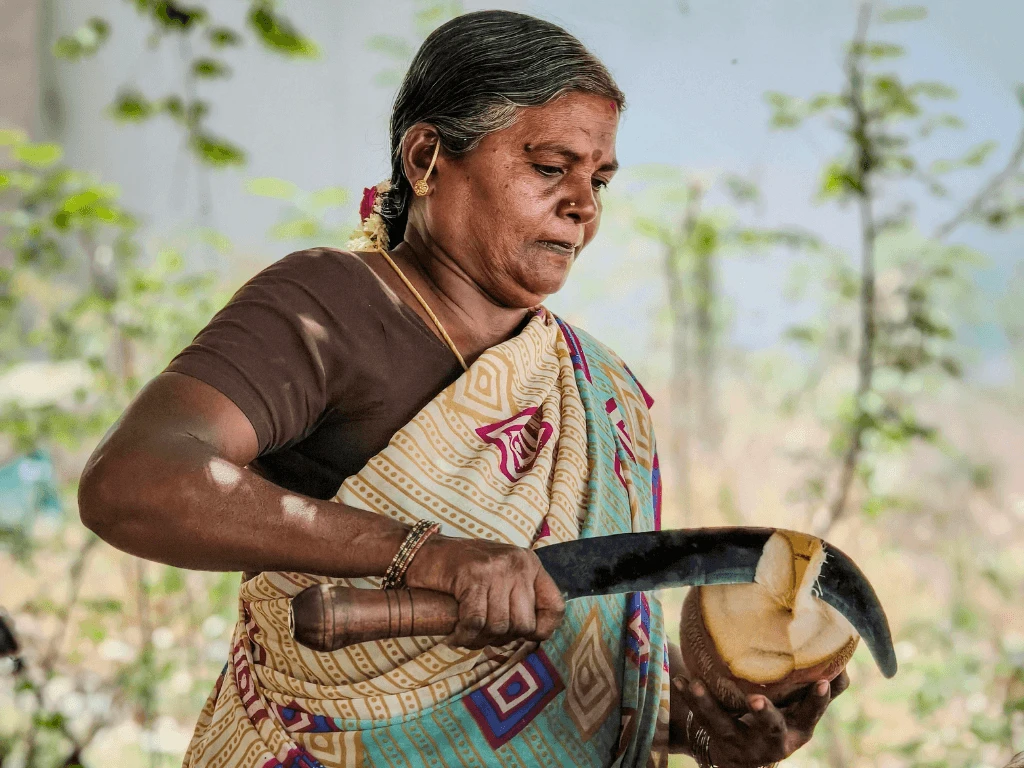
In India, a private chauffeur-driven, air-conditioned premium passenger vehicle and a flexible plan between major stays such as Jaipur and Jodhpur, Kochi and the Malabar Coast, or Bangalore and Kabini create space for pauses that weren’t in the original outline: a local vendor selling coconut water on the roadside, a temple courtyard that catches your eye, a local market where you decide to stop, a small craft studio you notice on the edge of a town.
The emphasis isn’t on romanticizing informality; it is on letting unplanned, everyday moments add texture to a route anchored by more formal visits. The road becomes an editing tool for your itinerary, not just a line on a schedule.
India’s rivers as moving salons
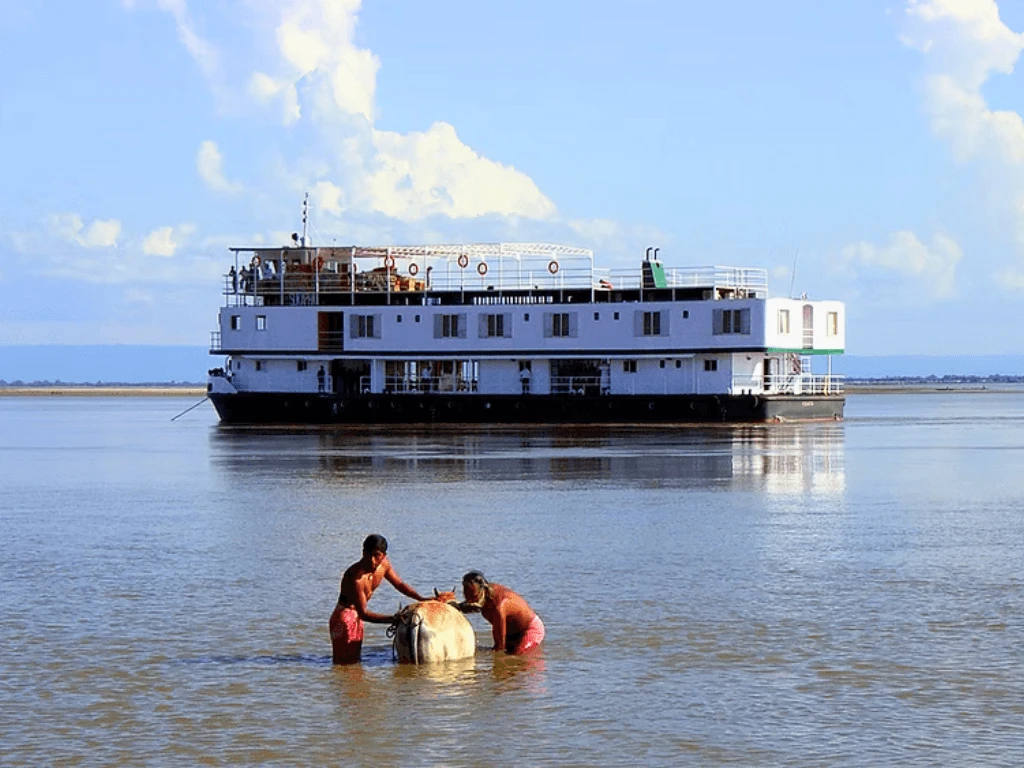
Slow river cruising adds yet another tempo to an India journey: days measured in bends of the Ganges or Brahmaputra rather than in road kilometers or flight times. Assam Bengal Navigation offers multi‑day itineraries along the Ganges and Hooghly. Its small ships, carrying 12 to 22 cabins, pair river‑facing balconies with salons, dining rooms, and generous sundecks, so you can watch river life from comfortable, human‑scale spaces.
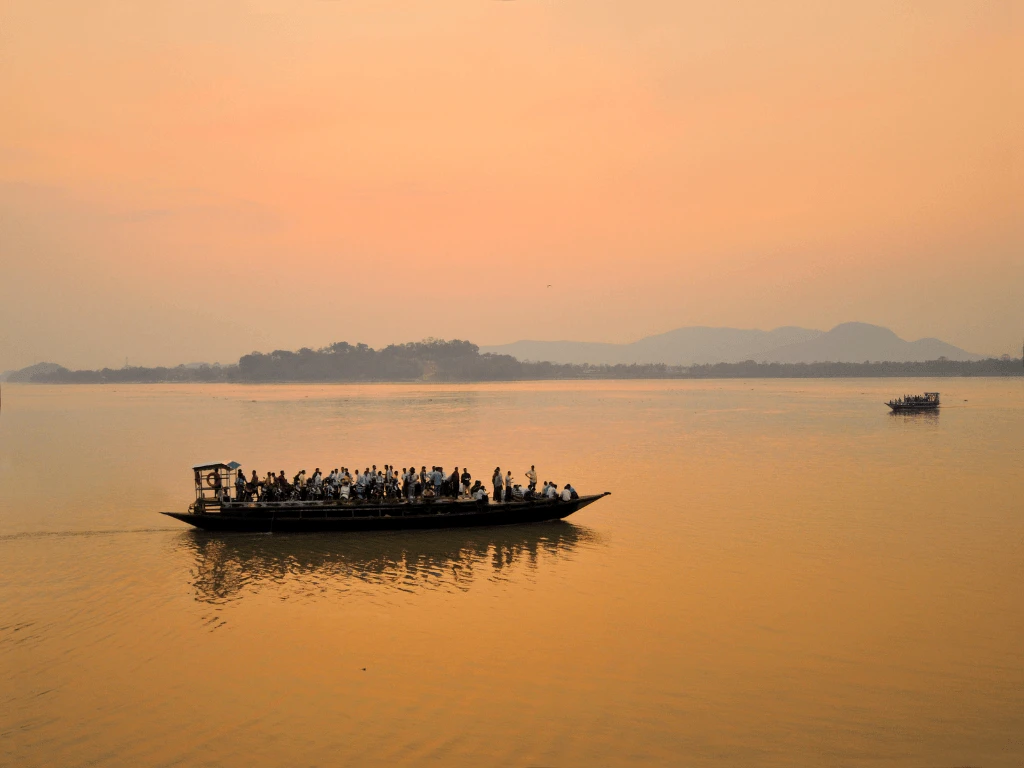
On the Brahmaputra, itineraries link Assam tea estates, Kaziranga’s wildlife, and Majuli’s historic Vaishnavite satras; along the Ganges and Hooghly, they weave together historic river towns, temple sites, and quieter stretches of rural Bengal. You cruise at a contemplative pace, step ashore for walks and safaris, then return to the ship, where conversations, views, and the river’s gradual shift become part of the journey itself, not just a backdrop.
Malabar backwaters: intimacy instead of spectacle
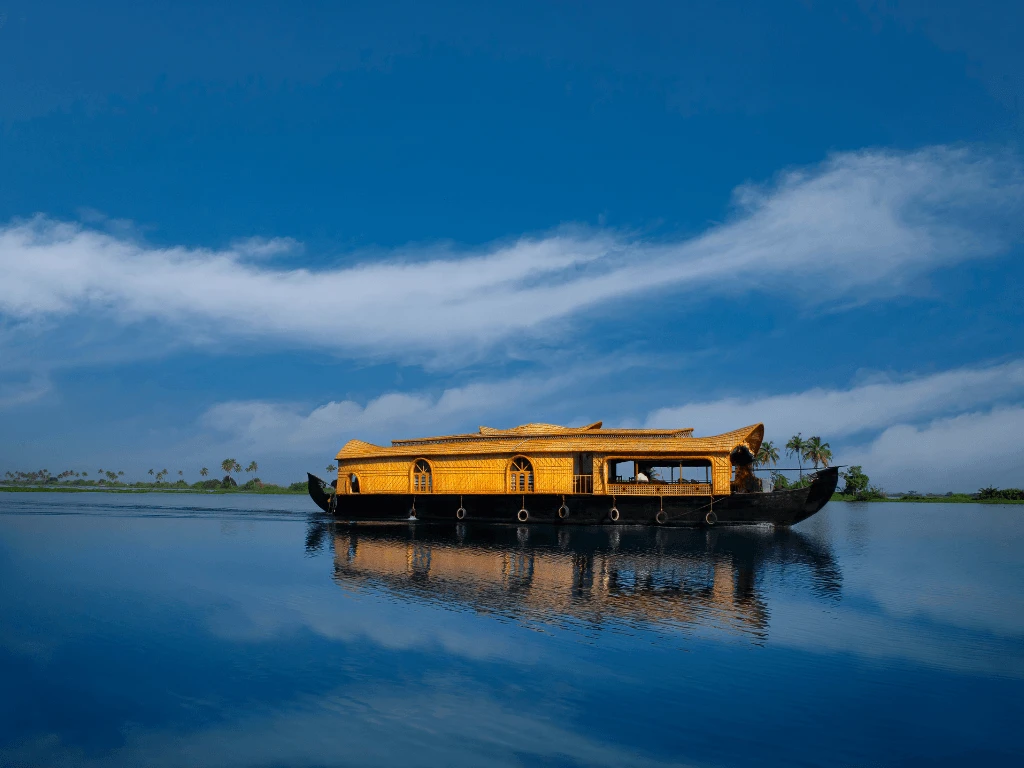
Kerala’s backwaters add a completely different tempo to an India journey, days measured in canals, bends and changing light rather than road distances. CGH Earth’s Spice Coast Cruises use traditional kettuvallam houseboats near Alleppey, restored cargo boats with just one or two cabins, ensuite bathrooms, air‑conditioning and a small, attentive crew, so the experience feels like a private floating hideaway rather than mass tourism. You drift, eat regional food, talk, and watch village life appear and recede along the banks, discovering how unhurried movement can become the trip’s highlight.
There is room to do very little, and to feel that “very little” is exactly enough.
How movement quietly edits memory
How you move through India quietly edits what you remember. Private aviation shortens transitions and makes complex, multi‑stop routes possible, while rail, on the Maharajas’ Express or hill lines like Nilgiri, turns hours between cities into views, small rituals, and conversations. Road days let you decide where to insert spontaneity; private boats on quieter waterways slow everything to canal pace. None is “better”; each serves a different purpose. As you plan, think not just in terms of hotels and sights but of pace: keep speed where it matters, and add one or two legs where the journey itself is the experience.


