

Bhutan has long stirred poets’ imaginations, yet its true magic is best felt in the seamless tapestry of its landscapes, culture, and traditions. Here, the philosophy of Gross National Happiness rises above mere economic measures, embracing good governance, sustainable development, and the preservation of both culture and environment.
Bhutan’s philosophy comes alive in its landscape. Lush valleys climb toward Himalayan heights, dzongs and monasteries perch boldly above rushing rivers and sheer cliffs, and daily life pulses with traditional architecture, vibrant festivals, and enduring crafts. With nearly 70% of the land still cloaked in forest, Bhutan safeguards a breathtaking mosaic of habitats and scenery.
Our Land of the Thunder Dragon journey weaves together rivers and forested trails, sacred monasteries and temples, and winding roads where every turn reveals a new vista. These sights invite you to slow down and savor Bhutan’s ever-changing beauty.
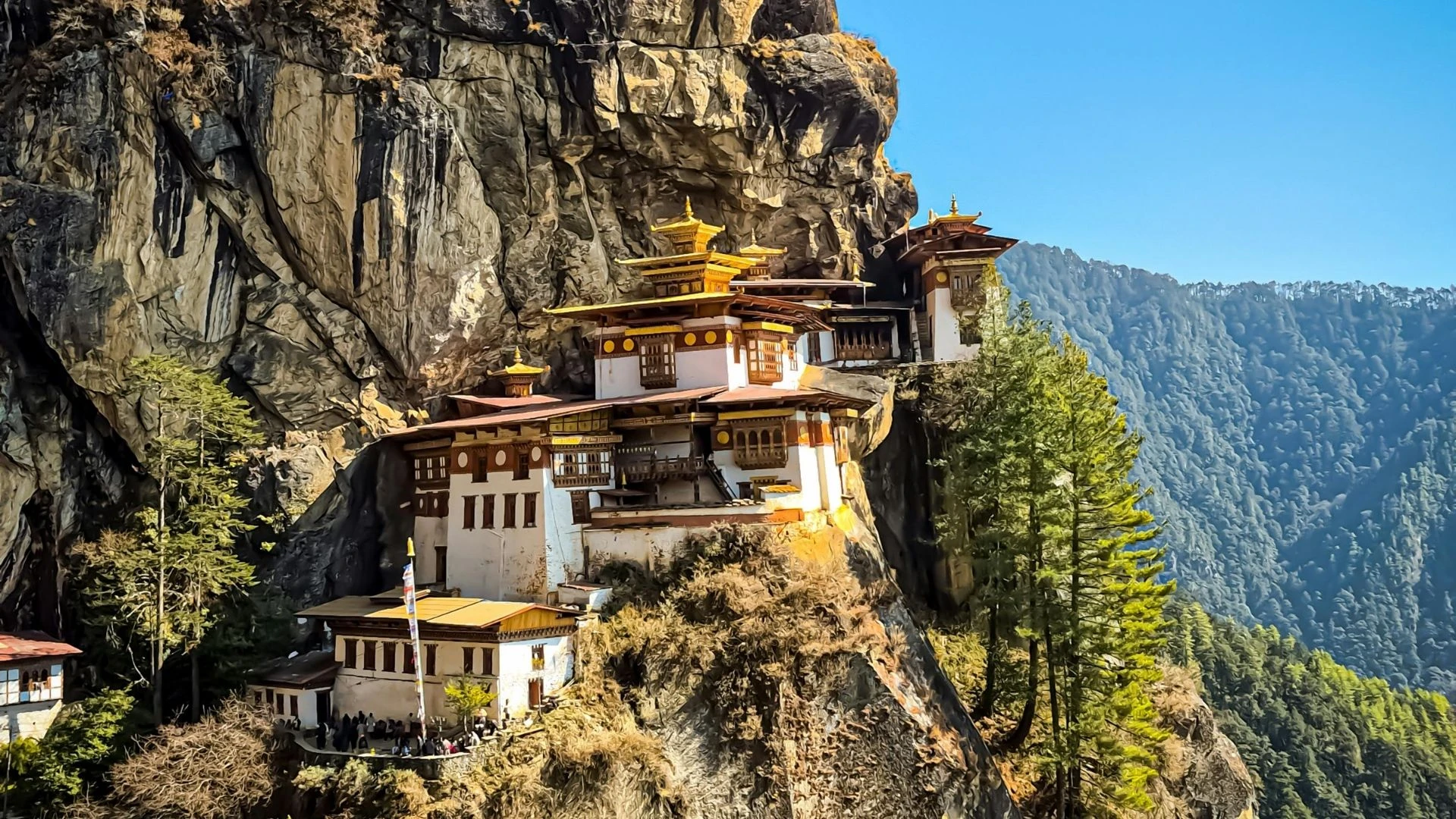
Paro and Tiger’s Nest
For many travelers, the adventure begins in Paro, a valley dotted with traditional farmhouses, storied monuments, and sweeping mountain views. Paro International Airport nestles beside the Pa Chhu, just outside town and encircled by towering peaks.
Paro Taktsang, or Tiger’s Nest Monastery, is the valley’s iconic crown. The current monastery dates to 1692, yet the site’s spiritual roots stretch far deeper, linked to Guru Rinpoche and ancient Buddhist lore. Clinging to a cliff high above the valley, it rewards those who make the
steep ascent through fragrant pine forests.
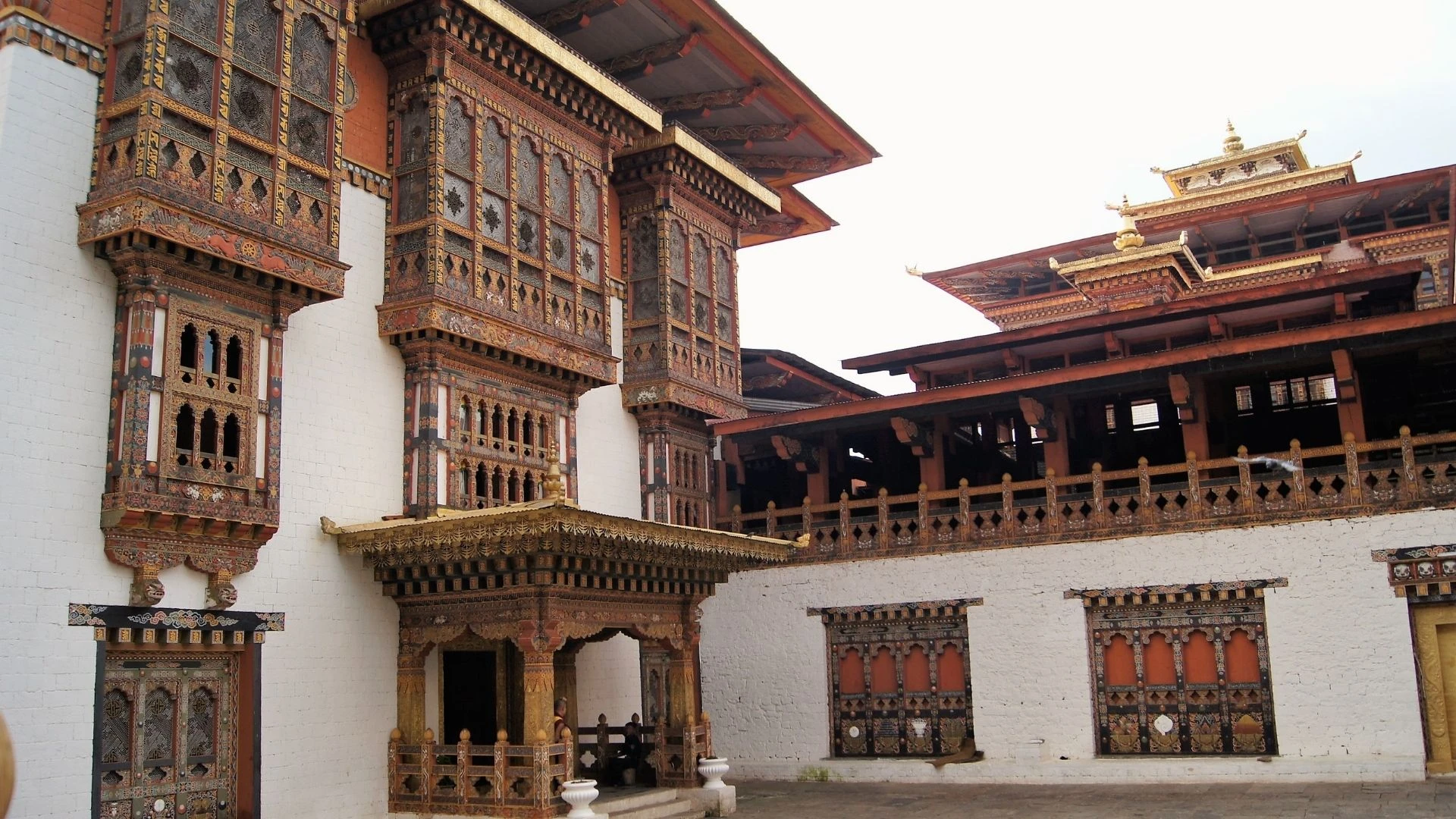
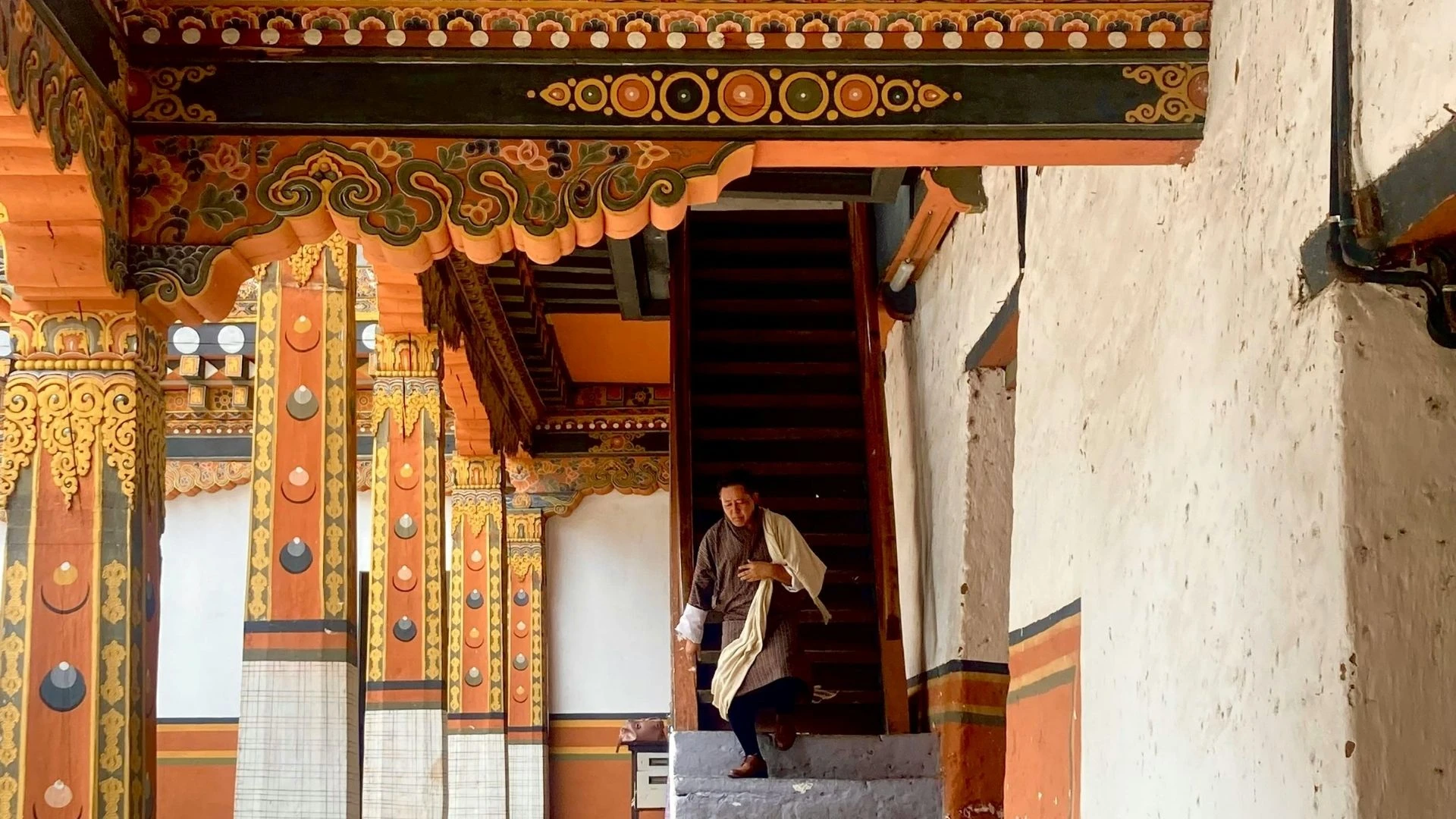
Rinpung Dzong, with its ornate courtyards and commanding perch above Paro Valley, and Ta Dzong, the old watchtower now home to the National Museum, offer windows into Bhutan’s spiritual, military, and artistic past.
Paro also pulses with festival spirit. Its annual Paro Tshechu, one of over 160 festivals nationwide, fills the valley with sacred mask dances, music, and joyful gatherings that follow the rhythms of the Bhutanese lunar calendar.
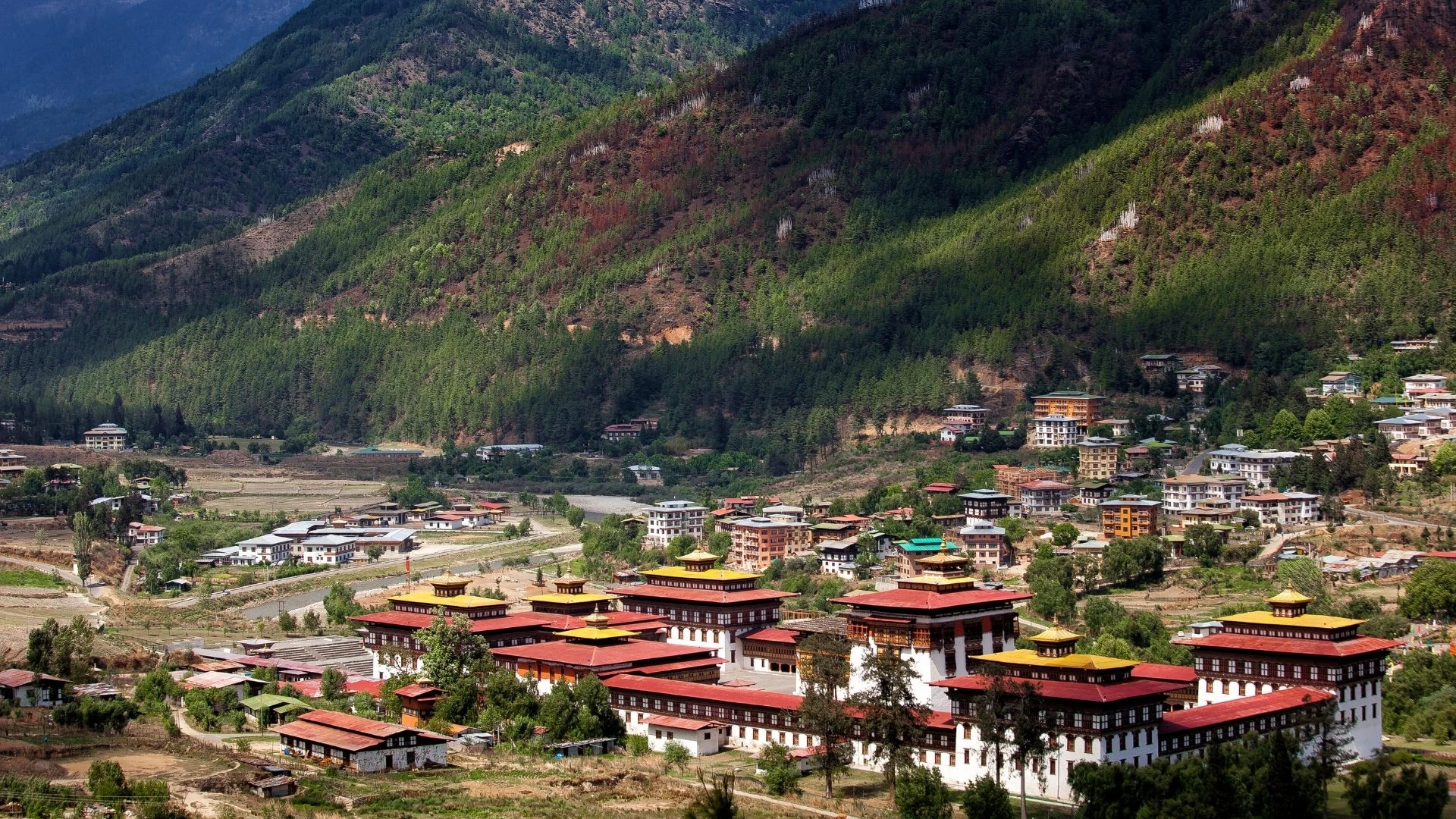
Thimphu: Heritage and Transformation
Bhutan’s capital adds a new layer to the adventure. Thimphu blends ancient dzongs, chortens, and temples with lively markets, modern eateries, galleries, and a blossoming arts scene. Tradition shapes daily life, even as the city grows and changes around it.
The Buddha Dordenma overlooks the Thimphu Valley from a hilltop, while Tashichho Dzong and the city’s museums and cultural institutions provide context for the textiles, crafts, architecture, and customs encountered elsewhere in the country. The capital also hosts its annual tshechu, part of a wider festival calendar that changes with the Bhutanese lunar calendar.
Thimphu is best savored slowly, not rushed through a checklist. Mornings might bring the bustle of a market or the quiet focus of a craft workshop; afternoons, a visit to a monastery or cultural site; and evenings, the flavors of Bhutanese cuisine against a backdrop of mountains.
Punakha and Phobjikha
The journey from Thimphu to Punakha winds over Dochula Pass, then dips into a sunlit valley of rice paddies, orchards, and meandering rivers. Punakha Dzong rises where the Pho Chhu and Mo Chhu meet, its gleaming white walls and intricate galleries embraced by the landscape. Once Bhutan’s capital, the dzong still shelters the central monastic body each winter.
Beyond Punakha, the scenery transforms in Phobjikha, a sweeping glacial valley ringed by forested hills. Each autumn, black-necked cranes arrive from Tibet, filling the valley with their presence through winter before returning north as spring approaches.
Gangtey Monastery gazes over the valley, while gentle walks through fields, villages, and blue-pine forests reveal the tranquil rhythms of rural Bhutan. In winter, the cranes’ arrival weaves wildlife conservation into the fabric of daily agricultural life.
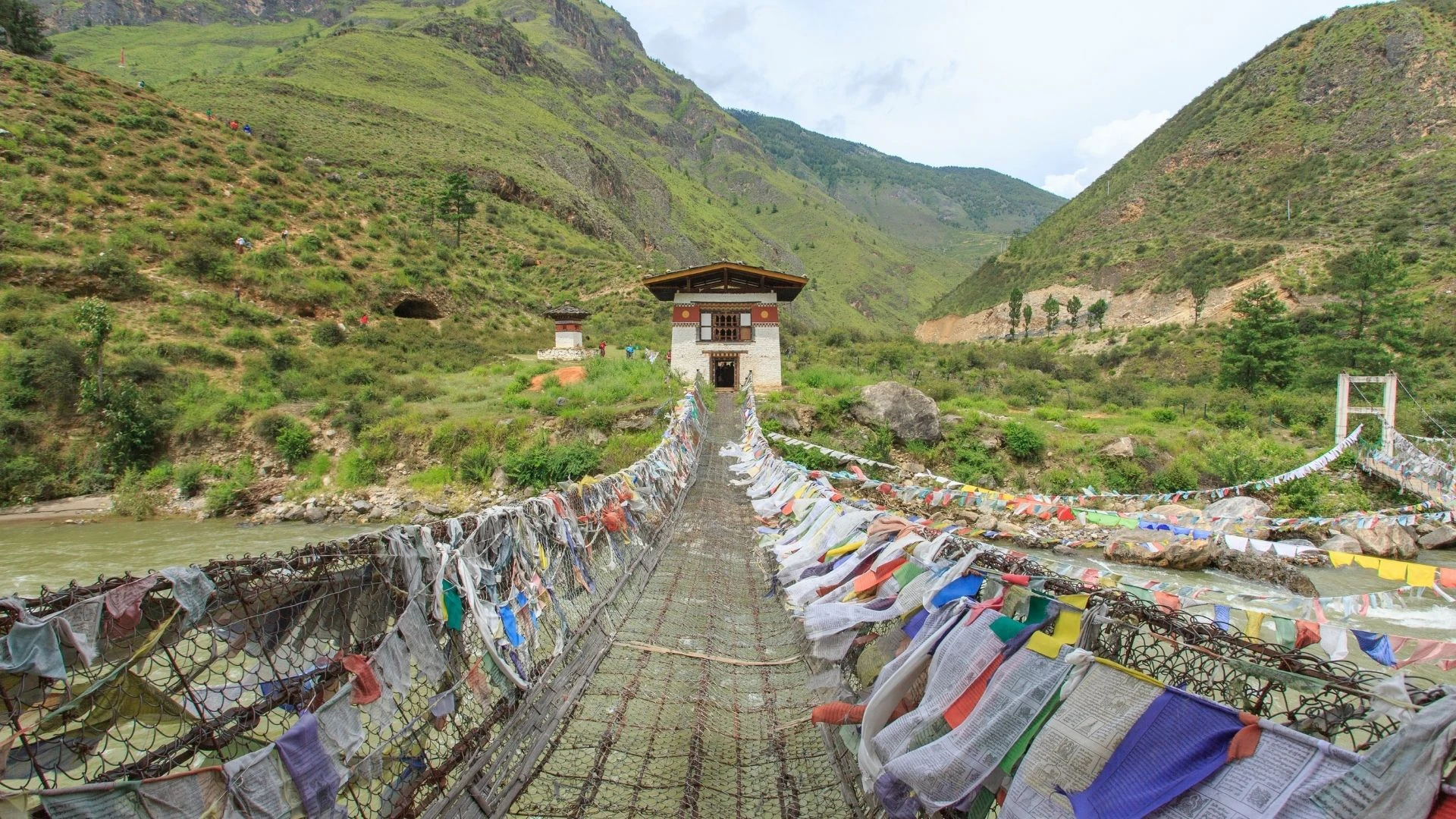
Walking Through Bhutan
Bhutan reveals its soul to those who explore on foot, whether you wander quiet village paths, hike to a hidden monastery, or tackle a high-altitude trek. Trails suit every level, from gentle nature walks to epic journeys through remote mountains. The Snowman Trek, Bhutan’s most demanding route, climbs above 5,000 meters, while the Druk Path offers a rewarding multi-day adventure linking Paro and Thimphu through alpine forests, lofty ridges, and sparkling mountain lakes.
Places to Stay and Planning a 2026 Journey
Bhutan’s best hotels harmonize with their surroundings. COMO Uma Paro blends subtle luxury, Bhutanese design, and wellness, just steps from Paro’s cultural treasures and Tiger’s Nest. In Punakha, COMO Uma Punakha is a serene hideaway above the Mo Chhu, while Pemako Thimphu immerses guests in the capital’s vibrant heart, pairing modern comfort with Bhutanese art and cuisine. Gangtey Lodge, perched above Phobjikha Valley, opens up sweeping views of Gangtey Monastery and the forests beyond.
Most international travelers need a visa, while Indian nationals use a permit system. The Sustainable Development Fee is US$100 per adult per night for most, with lower rates for children; Indian nationals pay Nu./INR 1,200 per night. Most visitors also pay a US$40 visa-processing fee. Paro is the main entry point, though Gelephu is expanding access, and overland entry from India is possible at four official crossings. Bhutan reveals its wonders to those who travel slowly, letting landscapes, monasteries, and villages unfold at their own pace.


