

Shopping in India is less about souvenirs and more about collecting objects with enduring cultural and artistic value. Heirloom textiles that take months to weave and jewelry shaped by centuries of tradition help collectors connect with living craft traditions and support the artisans who continue them. Across the country, you can visit trusted ateliers, galleries, heritage houses, and workshops known for outstanding craftsmanship. The greatest experiences come from uncovering these traditions at their source. This guide will help you find what to collect and where to find it as you travel through India.
Rajasthan: Jaipur, Udaipur & Jodhpur
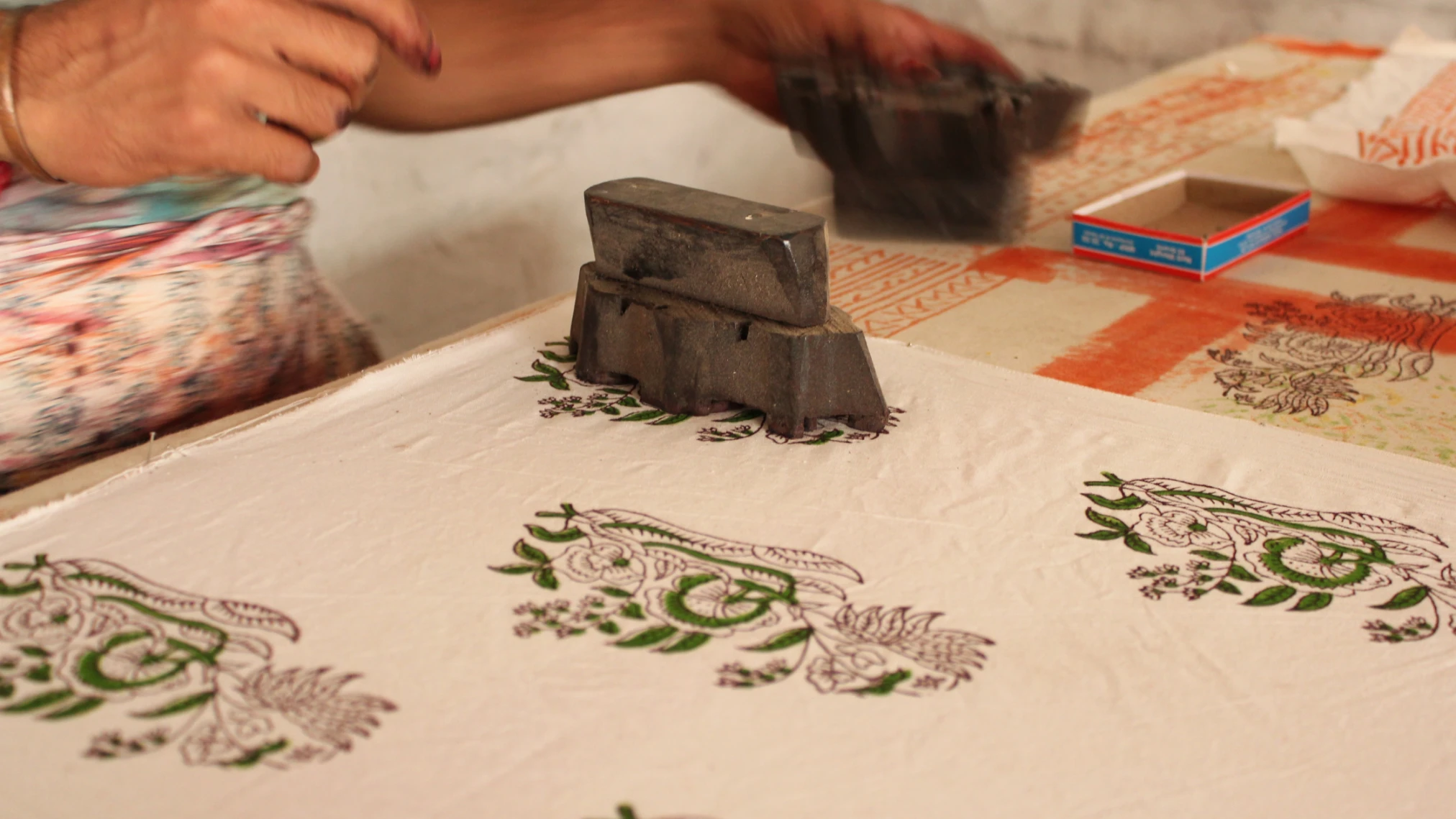
Rajasthan’s royal heritage continues through its ateliers, artists, and master craftspeople, making it one of India’s finest destinations for collectors.
Jaipur has long been the country’s foremost center for colored gemstones, where generations of jewelers have created exquisite Jadau, Polki, and Meenakari jewelry using traditional techniques and high-karat gold. The city is equally celebrated for the hand-block printing traditions of Bagru and Sanganer, its distinctive Blue Pottery, shaped by Persian, Central Asian, and Mughal influences, and finely executed miniature paintings and hand-carved marble objects.
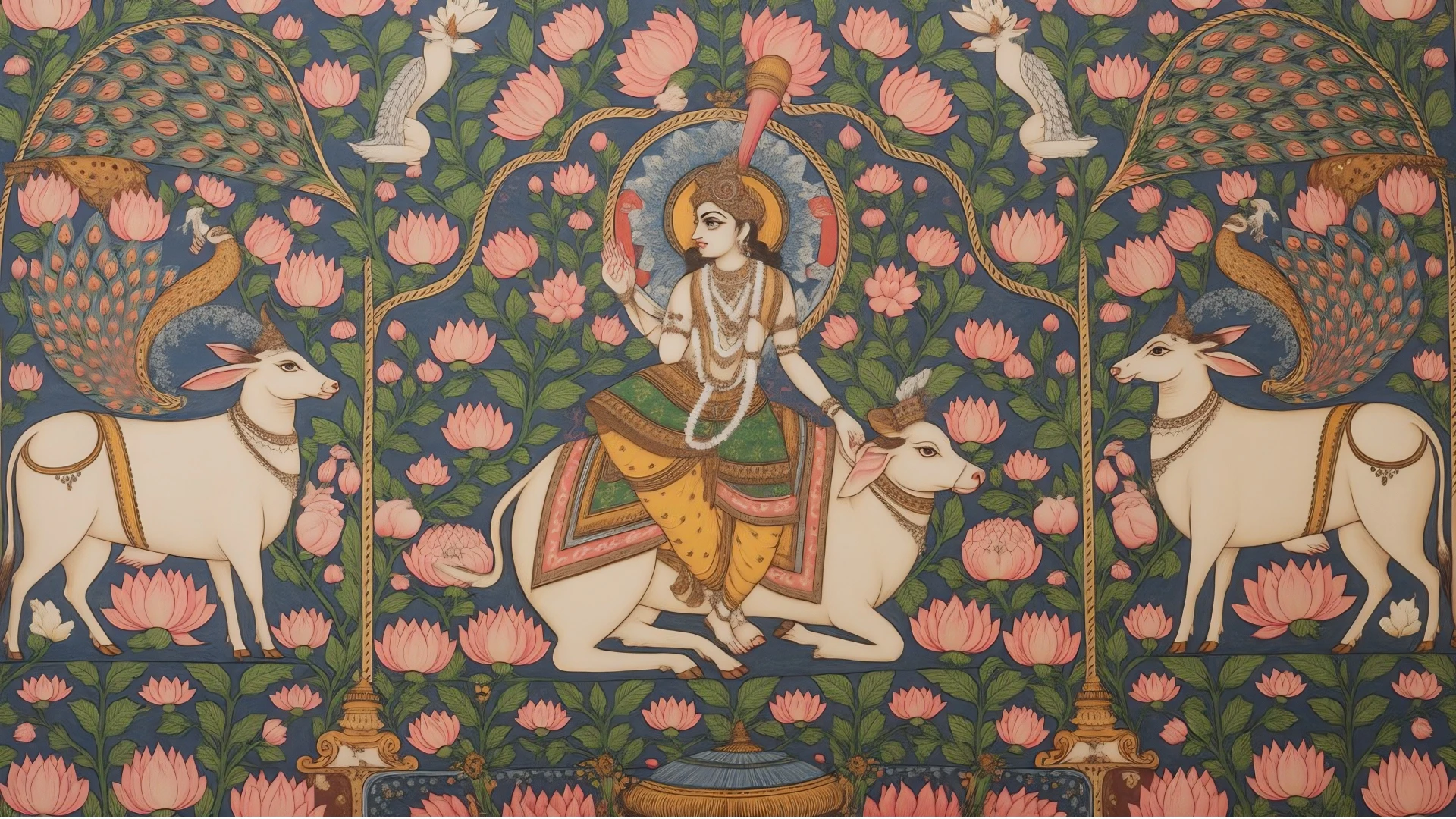
Udaipur remains one of the finest places to acquire museum-quality Pichwai paintings created by artists from nearby Nathdwara. Using handmade brushes and natural mineral pigments, artists depict scenes from the life of Shrinathji, upholding one of Rajasthan’s most sophisticated devotional art traditions. The city is also renowned for its finely crafted silverware and elegant Thewa jewelry from nearby Pratapgarh, where fine gold filigree is fused onto coloured glass.
Jodhpur’s rich craft traditions reflect the city’s desert heritage and equestrian culture. Artisans produce intricate Bandhani and Leheriya textiles by tying thousands of tiny knots before dyeing each fabric to create distinctive resist patterns. The city is known for handcrafted leather goods, custom travel accessories, antique furniture restoration, architectural salvage, and traditional woodworking that preserves generations of Marwari craftsmanship.
Kashmir & The High Himalayas
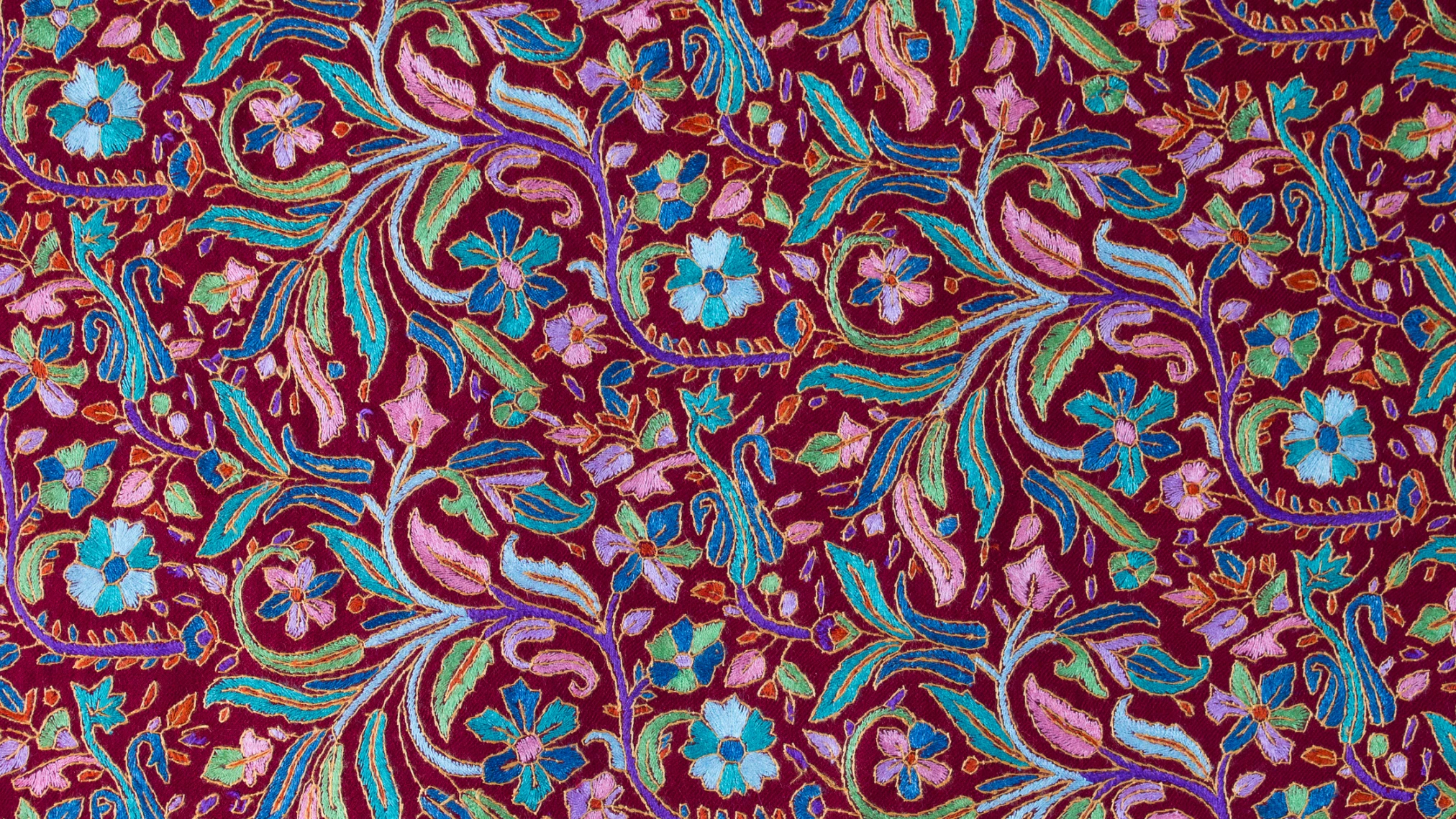
Genuine Pashmina, handwoven from the soft undercoat of Changthangi goats raised in the higher Himalayas, represents one of the world’s finest luxury fiber traditions. Look for authenticated GI-certified Kashmir Pashmina shawls featuring delicate Sozni embroidery, purchased directly from trusted weavers, cooperatives, or heritage stores.
Kashmir’s celebrated papier-mâché is more than a decorative souvenir. Each piece is hand-painted using the elaborate Naqashi technique, often featuring floral motifs highlighted with gold detailing.
Varanasi
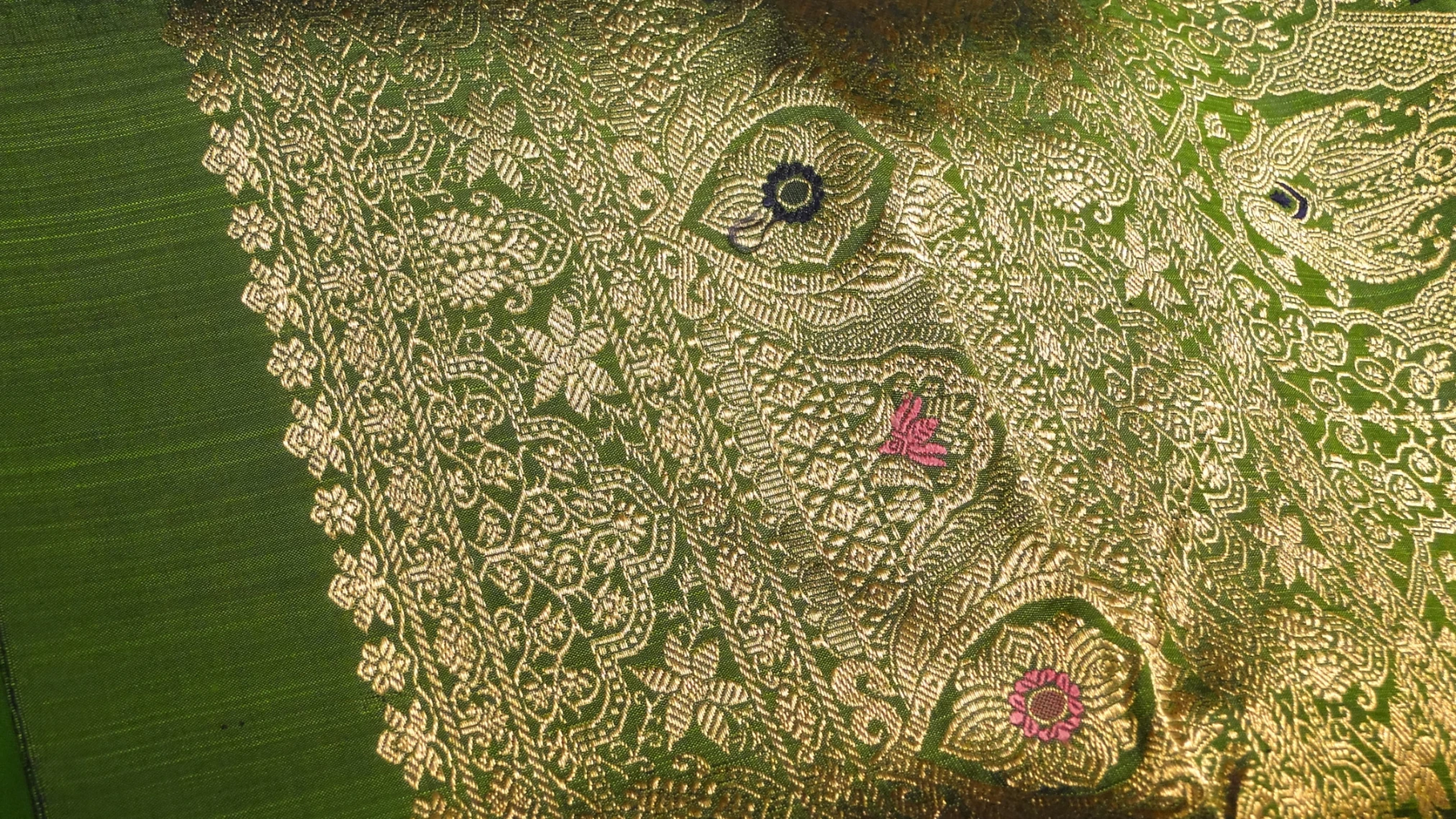
A finely woven Banarasi silk sari or dupatta, purchased directly from master weavers, is a true heirloom. Made with pure silk, genuine zari, and elaborate brocade motifs, these textiles have defined Varanasi’s weaving tradition for centuries.
West Bengal
Jamdani, often described as “woven air” for its lightness, is handwoven by master artisans in Phulia and Shantipur. Every intricate motif is inserted individually by hand, relying on the weaver’s skill and memory rather than mechanical guides. Among the world’s most labor-intensive weaving traditions, an authentic Jamdani textile is a prized addition to any collection. Collectors may also seek Baluchari saris, prized for richly woven narrative motifs inspired by mythology and history.
Odisha
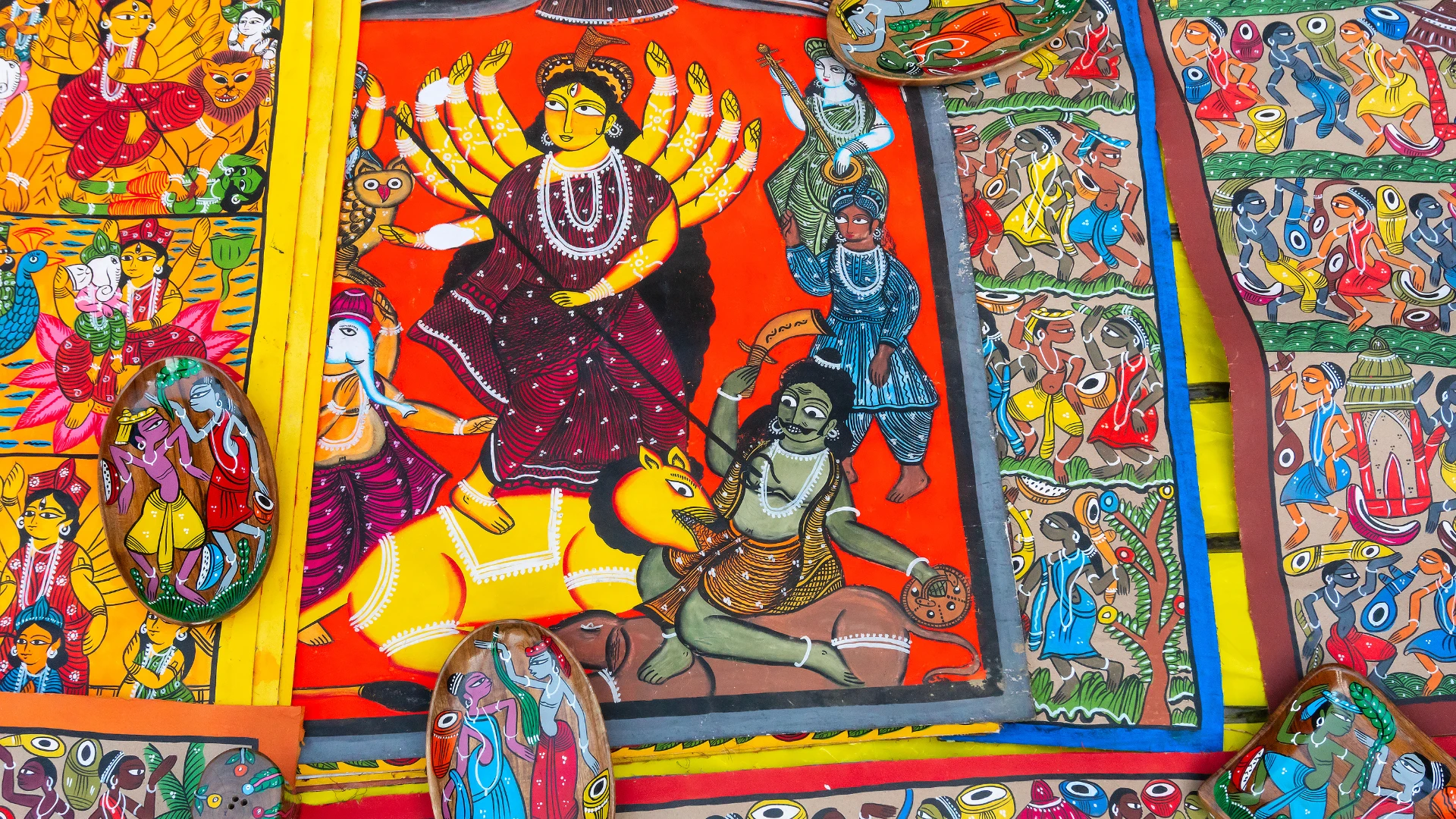
Pattachitra paintings in Raghurajpur are created on specially prepared cloth using natural pigments and fine brushwork. Their detailed depictions of Hindu mythology have remained largely unchanged for centuries, making the finest examples highly sought after by collectors of traditional Indian art. Odisha is also distinguished for Tarakasi, Cuttack’s fine silver filigree work, where artisans transform fine silver wire into delicate jewelry and decorative objects.
Gujarat
Today, only a handful of artisan families in Nirona continue to practice Rogan Art, making it one of India’s rarest living craft traditions. Using a castor oil-based paste and a fine metal stylus, artisans create intricate freehand designs that resemble embroidery. Every piece reflects extraordinary precision and patience.
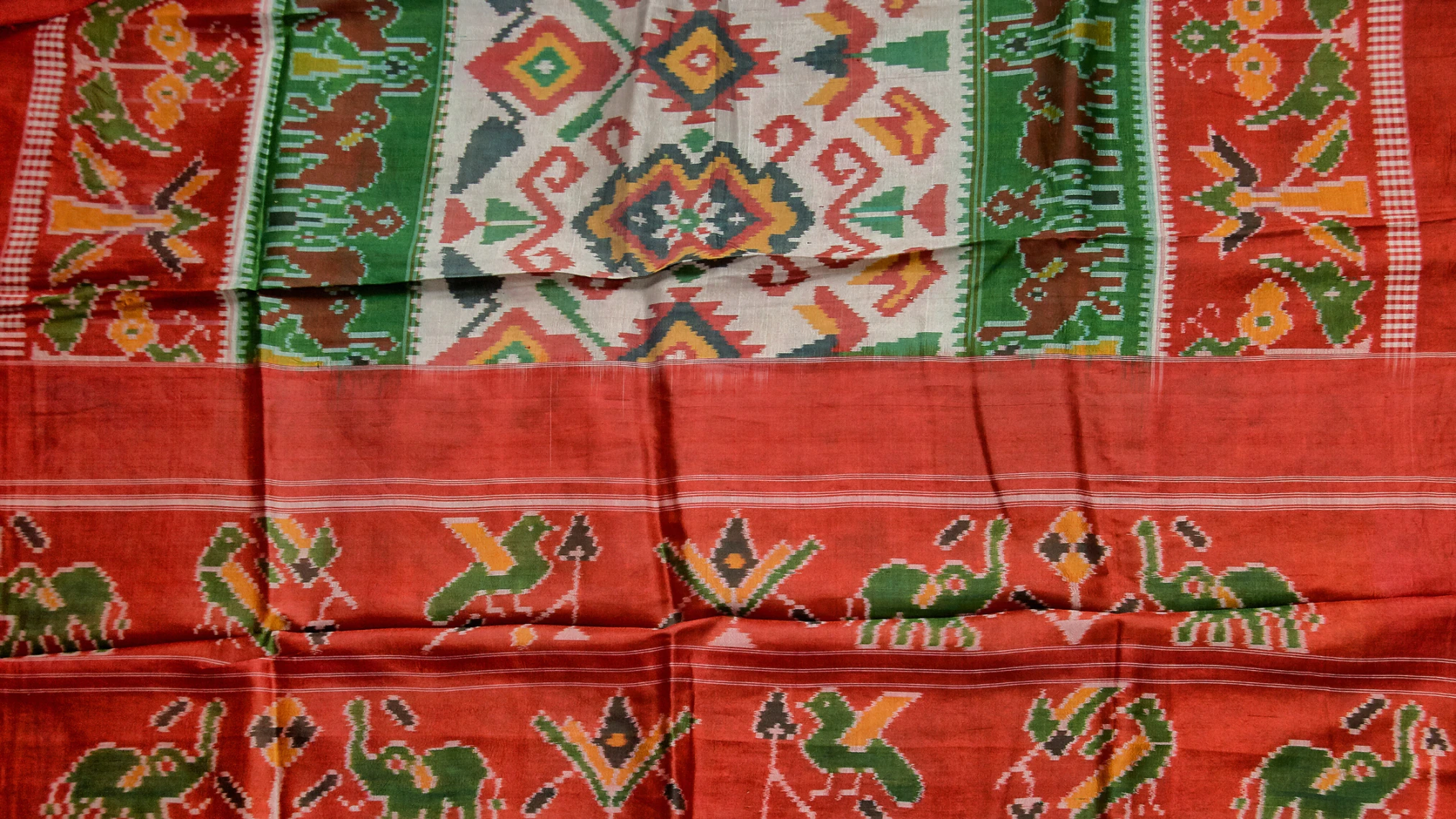
Collectors should seek Patan’s celebrated Patola textiles, among the world’s most technically complex double-ikat weaves, and Ajrakh textiles from Kutch, where generations of artisans produce richly patterned block prints using natural dyes. Traditional Mashru fabrics and Tangaliya weaving further showcase Gujarat’s remarkable textile heritage.
Southern India: Tamil Nadu, Kerala & Karnataka
Tamil Nadu
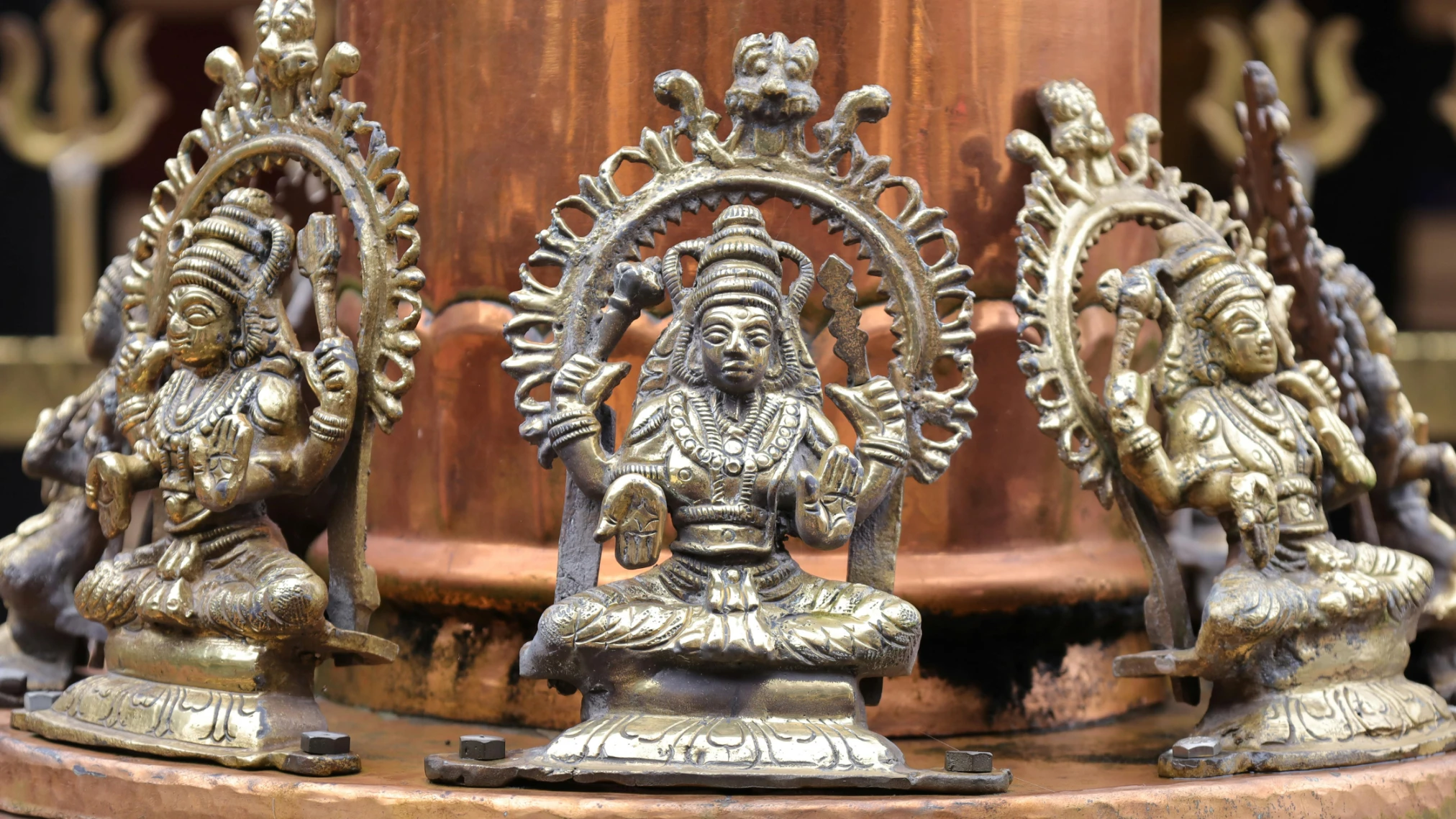
Kanchipuram silk saris are made from pure mulberry silk with high-quality zari and are admired for their rich texture, bold borders, and temple-inspired motifs. In Swamimalai, master bronze casters preserve the ancient lost-wax casting technique perfected during the Chola dynasty, ensuring every sculpture is unique. Tanjore paintings, embellished with gold leaf and devotional imagery, remain among South India’s most recognizable artistic traditions, while Chettinad cotton textiles reflect the region’s enduring weaving heritage.
Kerala
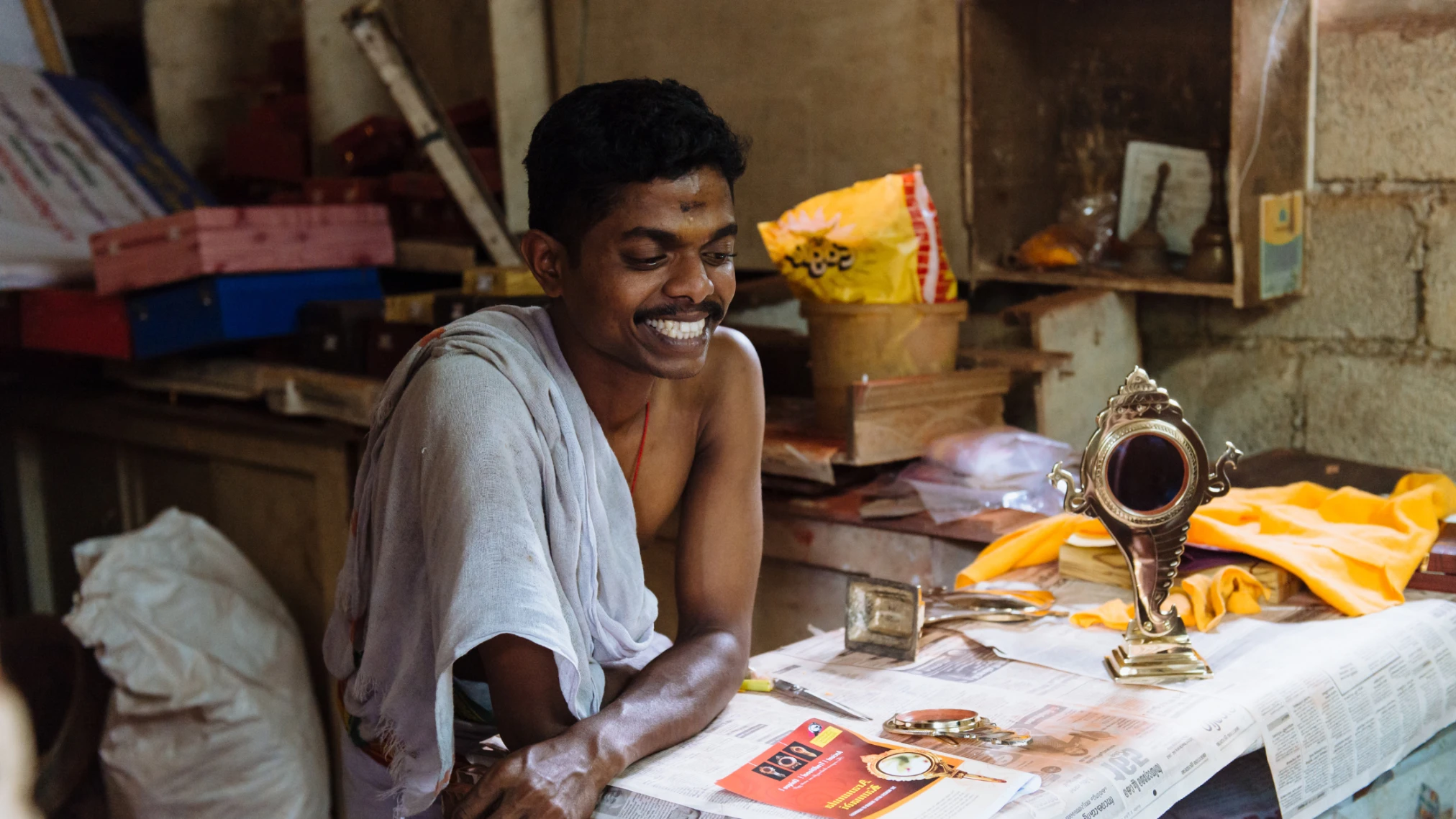
Kerala offers a distinctive range of collectible crafts. The celebrated Aranmula metal mirror, fashioned from a secret metal alloy and polished entirely by hand, remains one of India’s most unusual artisanal creations. Collectors can also find beautifully crafted Nettur boxes inspired by the ornate chests once owned by Kerala’s royal households, traditional bell-metal lamps, temple mural paintings, and finely worked brass objects that continue centuries-old craft traditions.
Karnataka
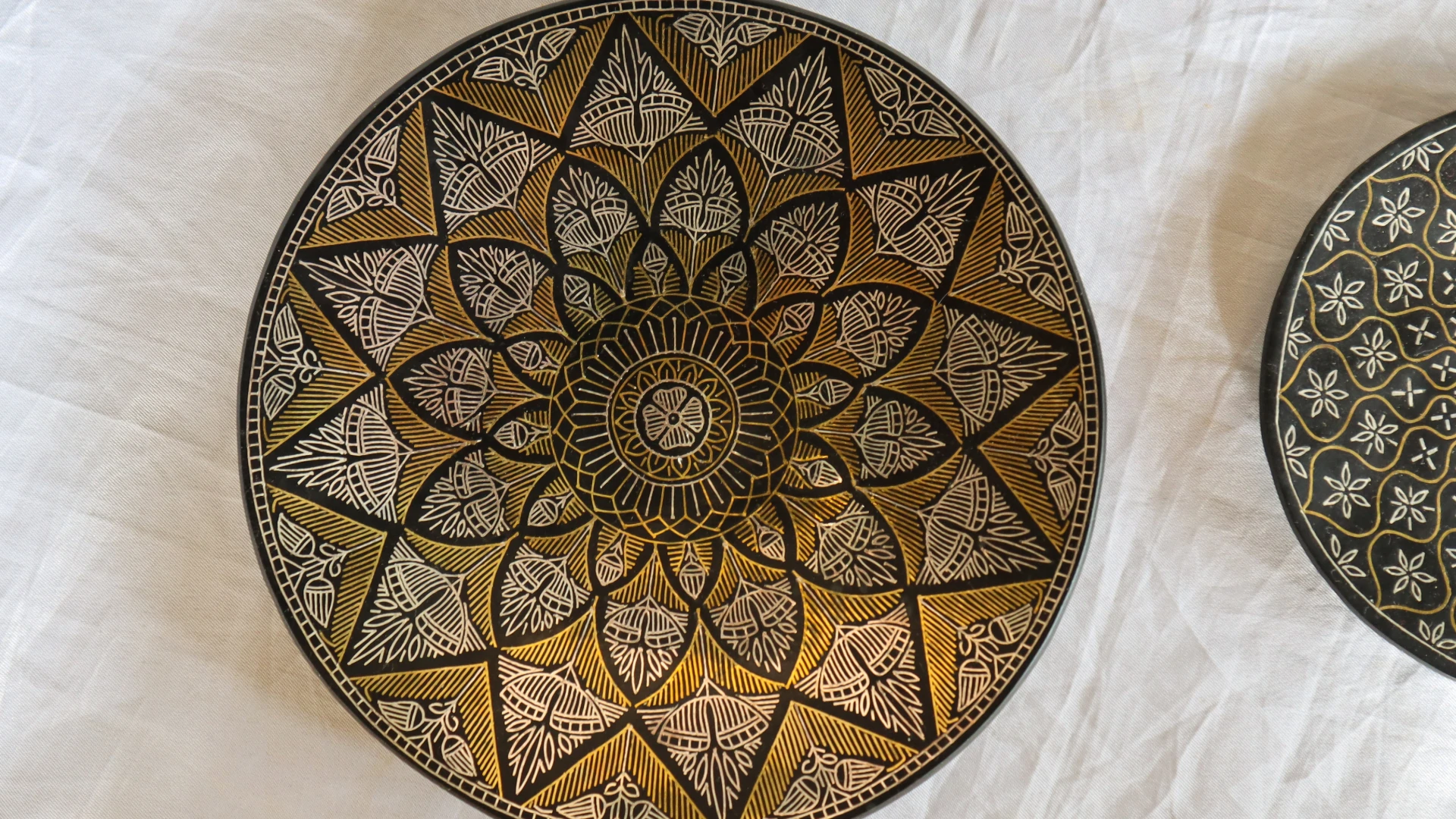
Bidriware from Bidar is distinguished by brilliant silver inlay against a deep black alloy surface, producing elegant bowls, caskets, and decorative pieces that complement both contemporary and classic interiors. Karnataka is equally famous for luxurious Mysore silk and finely carved sandalwood objects made from legally procured wood by skilled artisans.
Mumbai & The Deccan
Mumbai’s galleries, design studios, and independent design galleries offer one of India’s finest introductions to contemporary craftsmanship, showcasing collectible ceramics, studio furniture, limited-edition textiles, homeware, and works by some of the country’s leading designers. The city’s thriving art galleries offer insight into India’s contemporary art scene, while select antique dealers specialize in vintage tribal silver jewelry, historic decorative objects, and outstanding craftsmanship sourced from across the country.
Hyderabad is internationally renowned for its historic pearl trade and fine pearl jewelry and continues to preserve a long tradition of perfume-making, where experienced perfumers mix classic attars and oud-based fragrances using long-established methods. Those wishing to explore India’s oldest perfume traditions should also visit Kannauj in Uttar Pradesh, where the ancient deg-bhapka distillation process is still used to produce celebrated attars such as Ruh Gulab, Mitti, and Kewra.
The Eastern Himalayas
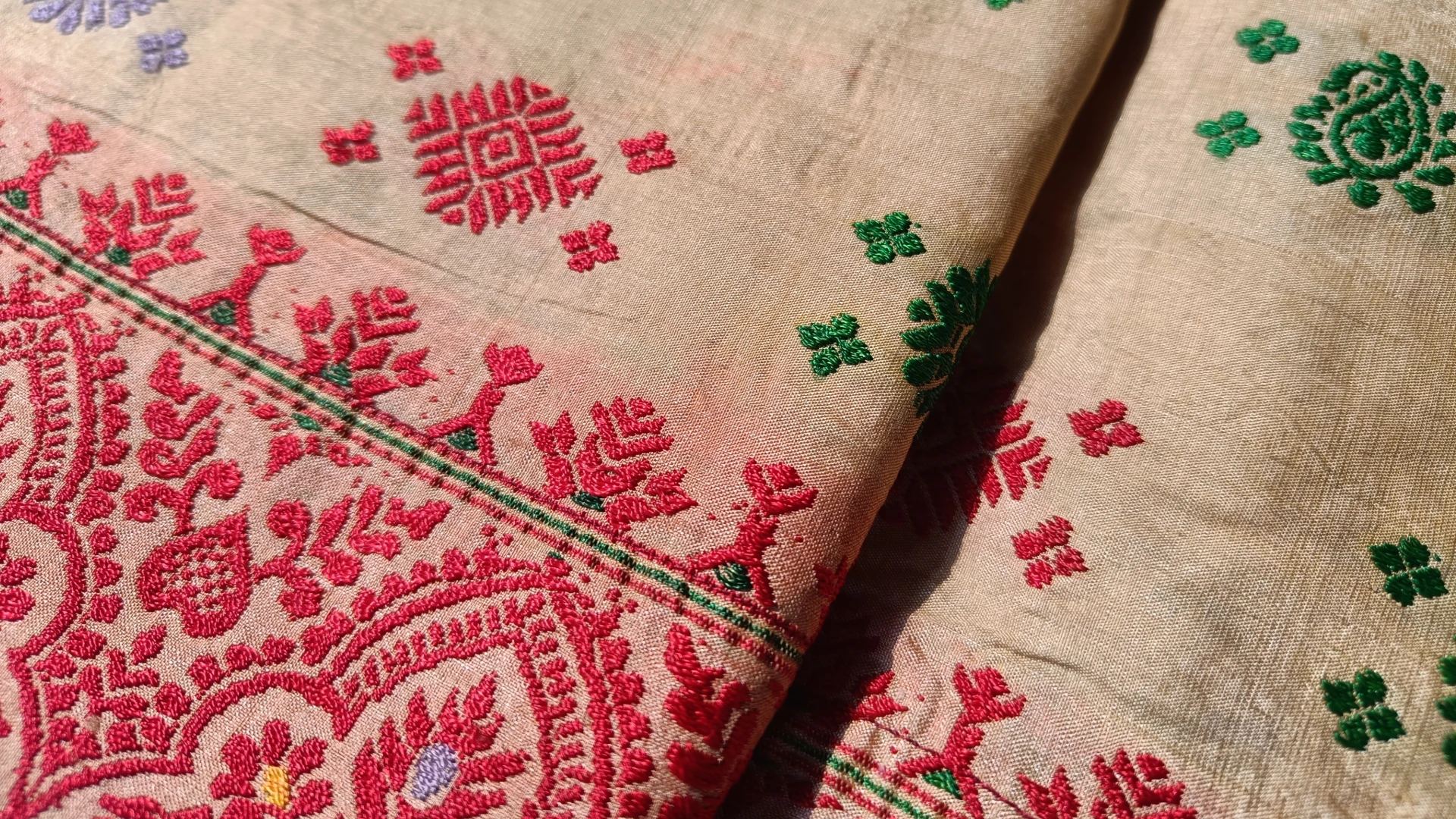
The tea estates of Darjeeling and Assam produce some of the world’s most celebrated teas, from the prized first flush harvests of Darjeeling to handcrafted single-estate Assam teas. Private tastings with estate managers offer insight into how soil, altitude, climate, and season shape every cup, while limited seasonal releases make exceptional additions for connoisseurs who value provenance and rarity. The region is also known for Assam’s rare Muga silk, a naturally golden fiber found nowhere else in the world, treasured for both its elegance and remarkable durability.


