

The trouble with many long-haul journeys is the trade-off: history or wildlife, mountains or sea, cultural complexity or genuine repose. Sri Lanka refuses the bargain.
Within one thoughtfully paced itinerary, travelers can move from ancient capitals and living Buddhist shrines to leopard country, cool tea estates, and the Indian Ocean. The distances are relatively contained; the contrasts are not. What makes the island especially compelling for an experienced traveler is not simply how much it holds, but how naturally one chapter gives way to the next.
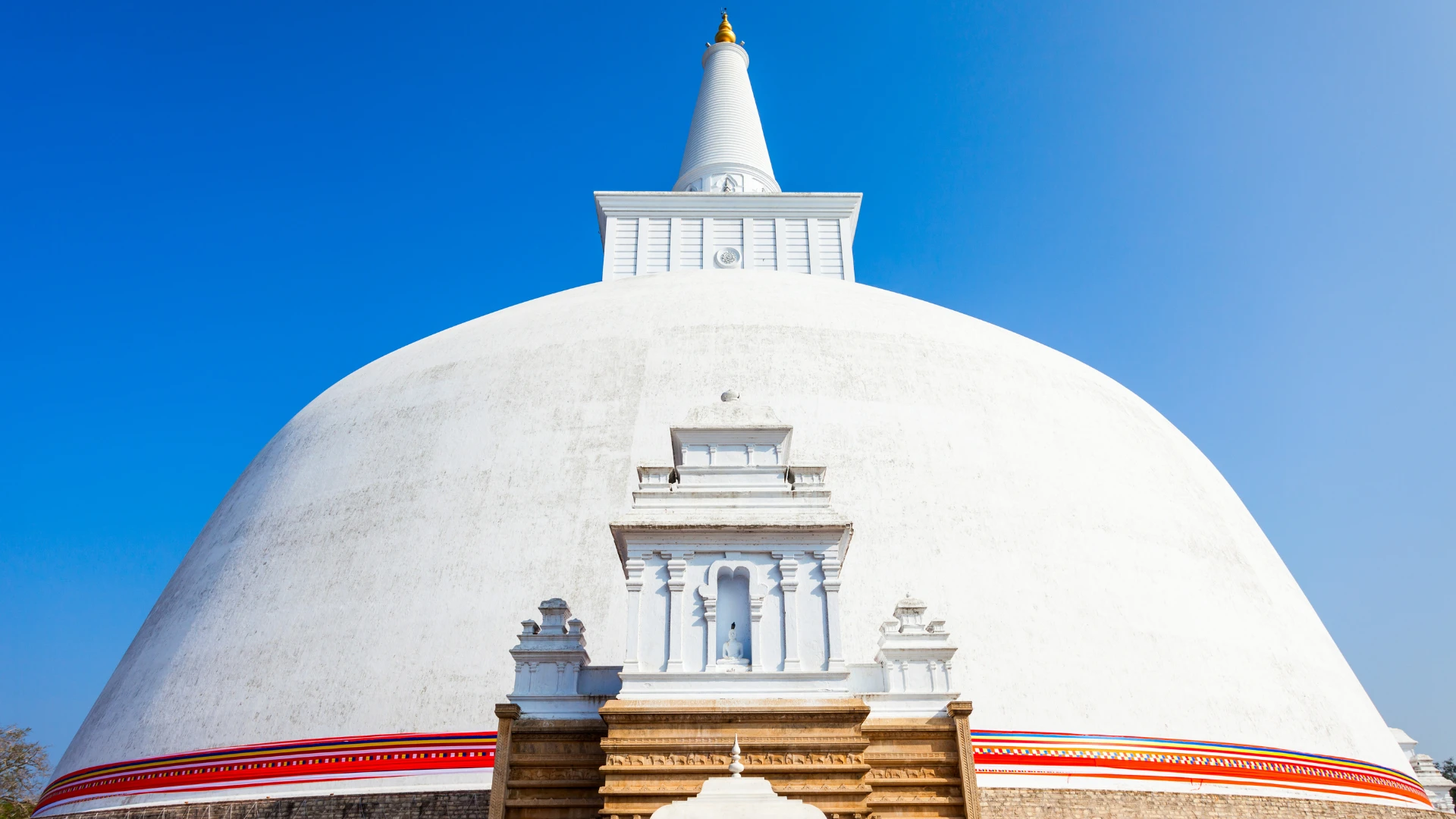
Where Legacy Still Breathes
Sri Lanka’s Cultural Triangle rewards attention and time. Anuradhapura, Polonnaruwa, Sigiriya, Dambulla, and Kandy are not interchangeable stops on a monument circuit; each demonstrates a distinct expression of kingship, faith, engineering, and art.
Anuradhapura grew around a cutting from the sacred fig tree associated with the Buddha’s enlightenment, brought to Sri Lanka in the third century BCE. The city flourished as a political and religious capital for roughly 1,300 years, and its palaces, monasteries, reservoirs, and great stupas continue to convey an extraordinary sense of scale. This place is best seen early, before the heat gathers.
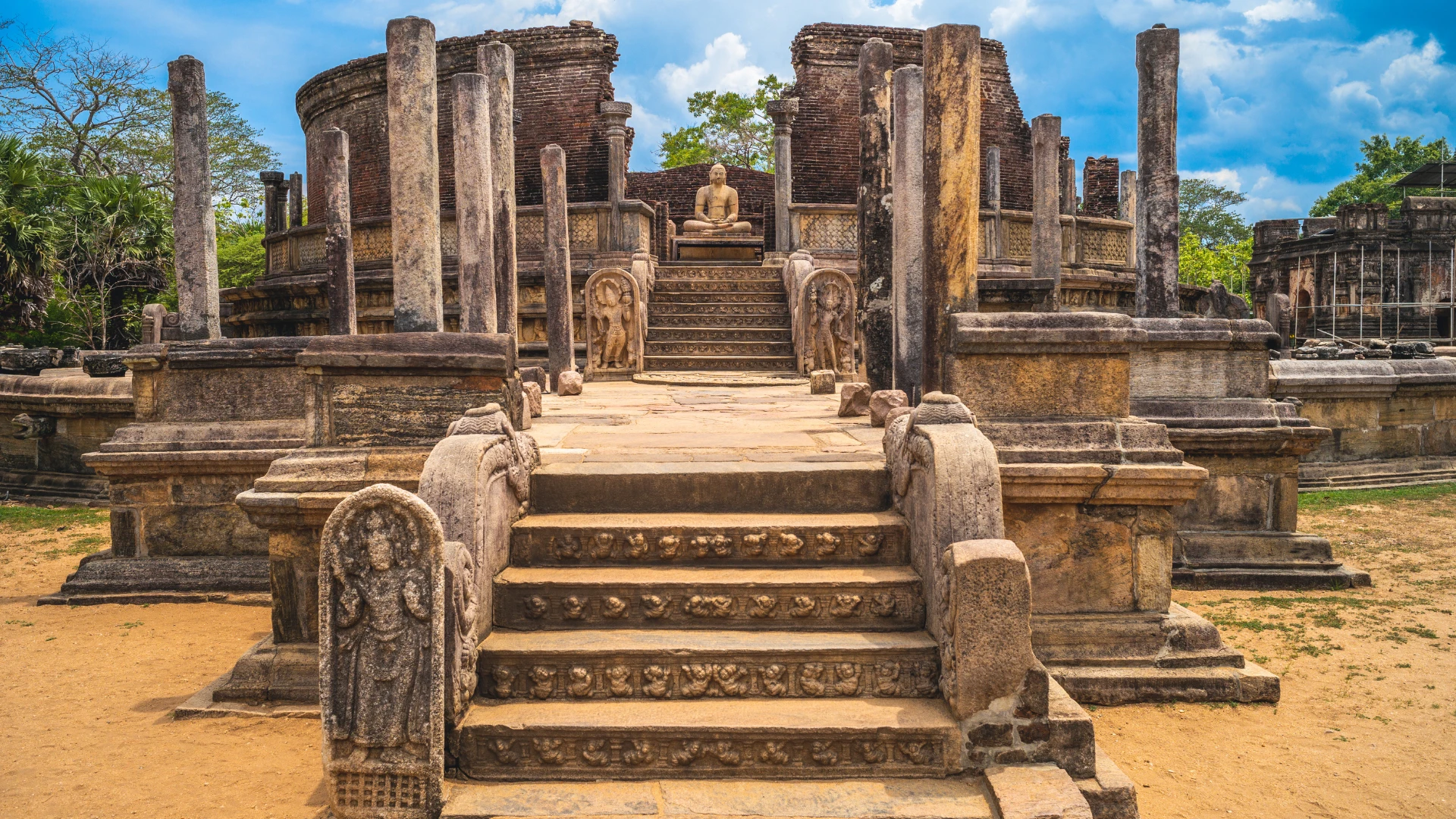
Polonnaruwa followed as Sri Lanka’s second capital. Its remains include Chola-era Hindu monuments and the grand 12th-century garden city created under Parakramabahu I, affording a more compact counterpoint to Anuradhapura’s vast sacred precincts.
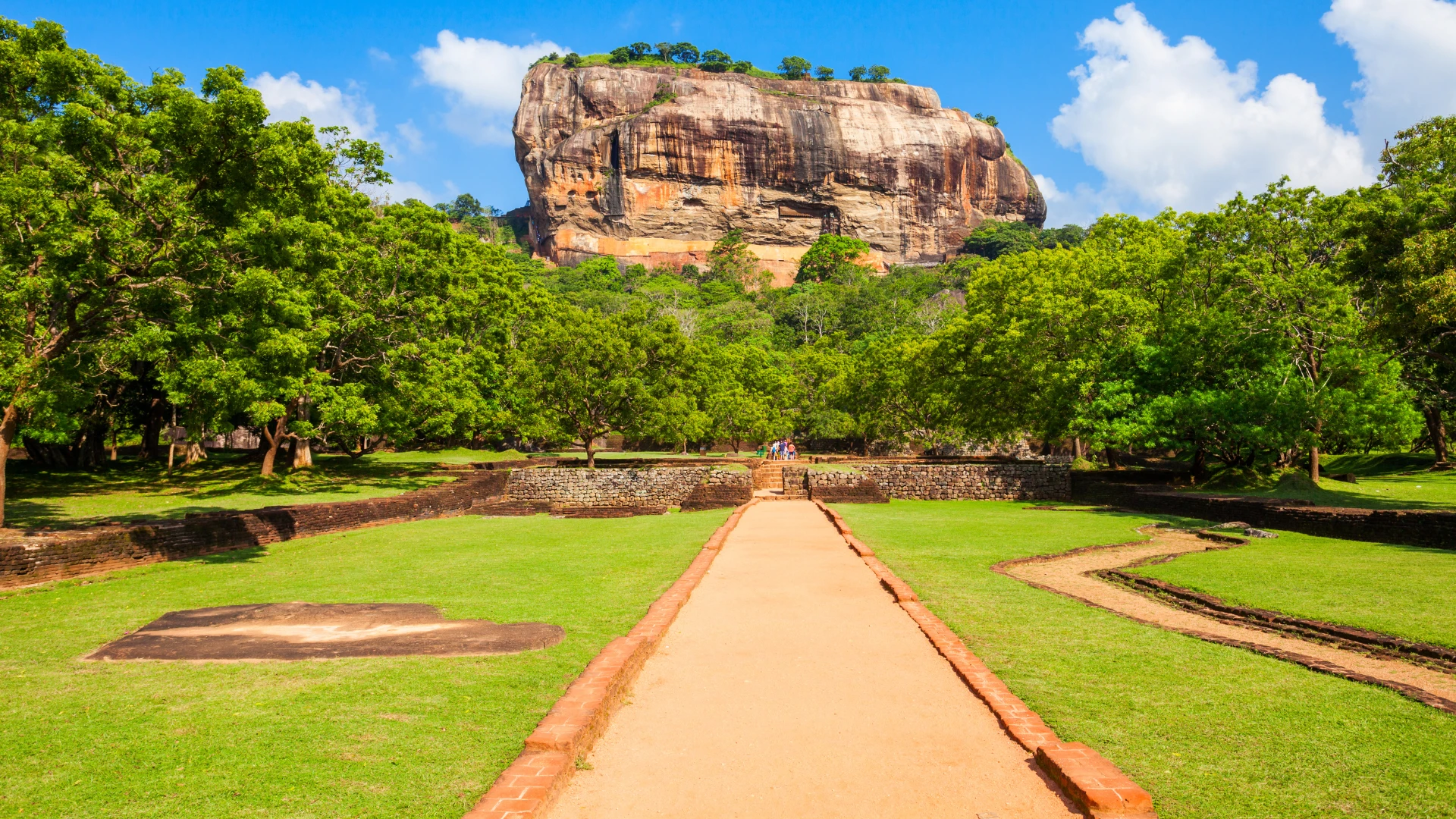
Then comes Sigiriya. The granite rock rises about 180 meters above the surrounding plains, with the remains of King Kassapa I’s fifth-century capital arranged across its steep slopes and summit. Water gardens, terraces, frescoes and the celebrated Mirror Wall reveal an extraordinary combination of landscape design, hydraulic engineering and royal architecture. The Mirror Wall also preserves centuries of graffiti and verse left by visitors, some of the earliest surviving examples of Sinhala literary expression.
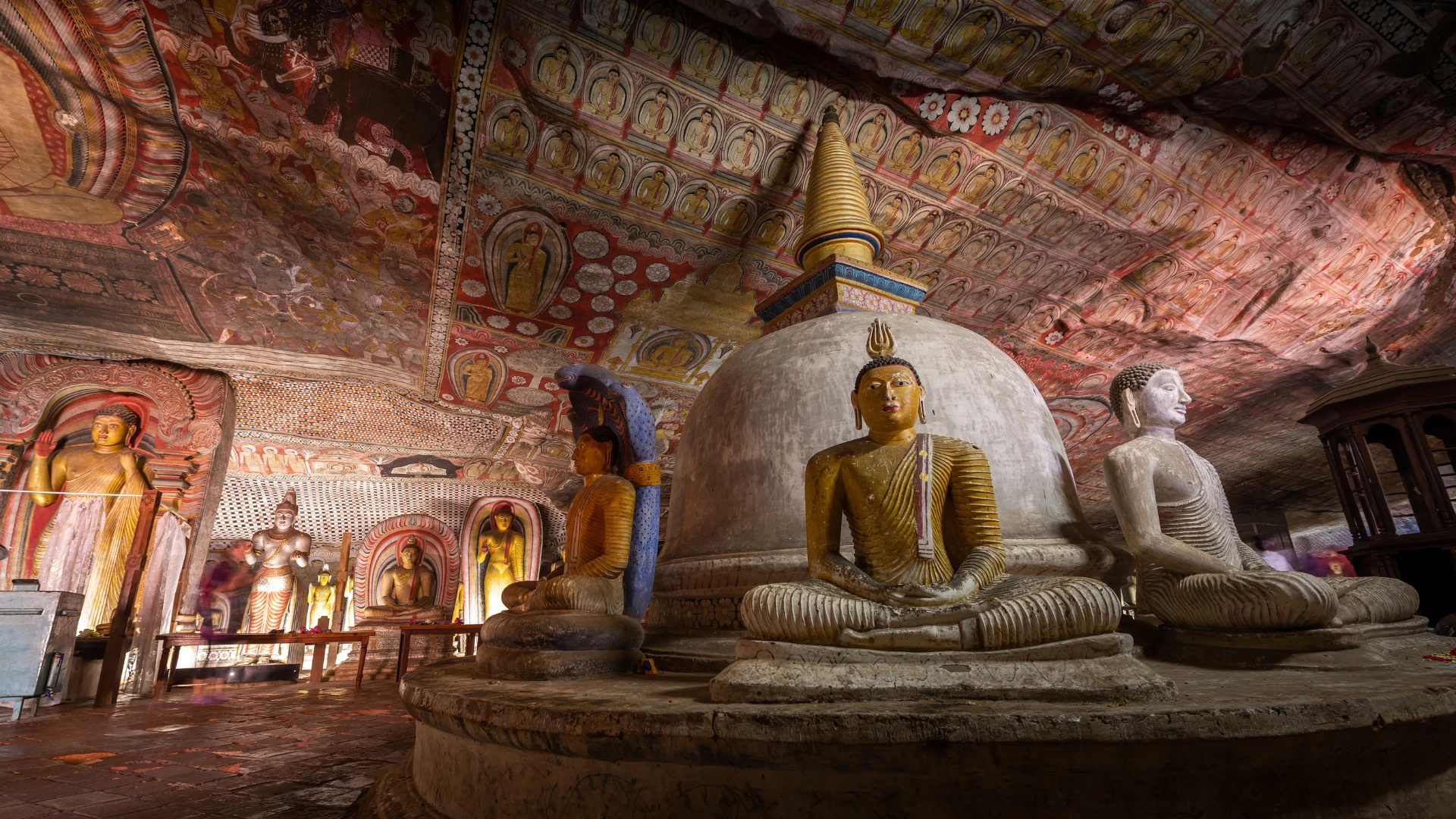
Nearby, the Rangiri Dambulla Cave Temple replaces open skies with painted chambers. Five cave sanctuaries contain 157 statues and approximately 2,100 square meters of Buddhist murals, including important works of the 18th-century Kandyan school.
Kandy brings the route to life today. At the Temple of the Sacred Tooth Relic, worship ceremonies are held at daybreak, noon, and evening, accompanied by Kandyan drums and ceremonial music. This is not heritage preserved behind glass. It is a living place of devotion, and the experience calls for calm observation rather than hurried sightseeing.
Two Coasts, Two Seasons
Sri Lanka’s beaches follow alternating monsoon patterns, so smart planning matters. The south and west are commonly favored from October through March, while the east is at its best from roughly May onward. A bespoke route should follow the season rather than force a fashionable destination into the wrong month.
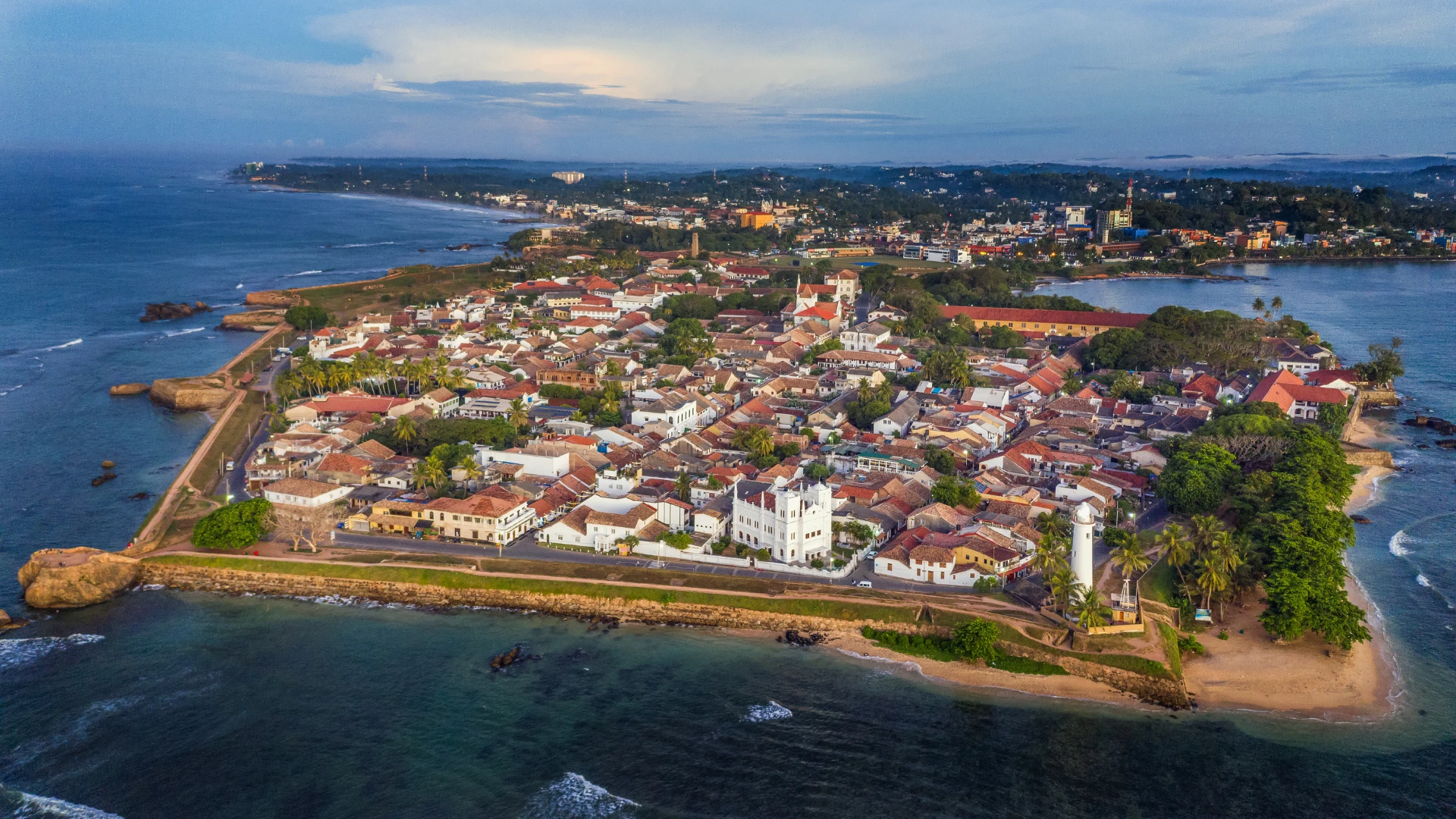
On the southwest coast, Galle Fort offers far more than a handsome stop by the sea. Founded by the Portuguese in the 16th century and developed extensively under Dutch rule in the 18th century, it is still a living fortified town where European planning meets South Asian building
traditions.
Walk the ramparts near sunset. Stay for dinner.
Within the old walls, former merchants’ houses and colonial buildings now accommodate intimate hotels, galleries, cafés, and restaurants. The appeal rests in the balance: architectural character without the feeling of an open-air museum.
The east coast has a different mood. Trincomalee and Pasikudah invite long, unhurried days by calmer water, while Arugam Bay has earned its reputation among surfers. This coast works particularly well for travelers who have already seen the better-known southern shore and want a quieter final chapter.
Tea Country, Properly Paced
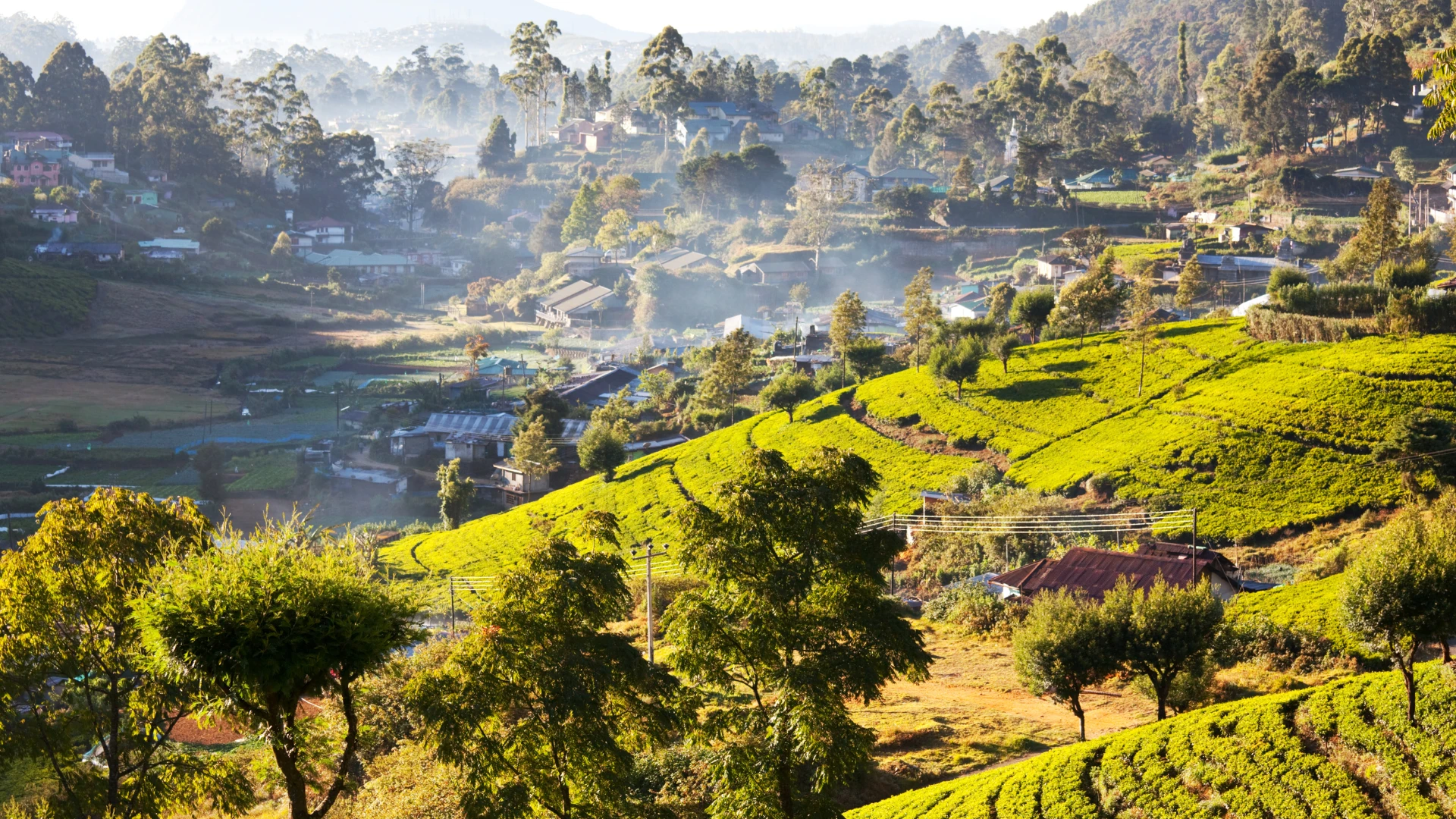
The central highlands change the rhythm almost at once. The air cools. Roads curl past tea fields and forested slopes, and mornings often begin beneath a cover of mist.
Tea here is not reduced to an afternoon tasting. A well-arranged stay can connect the leaf in the cup with the estate, the people who tend it, and the routines which have shaped this region for generations.
For travelers who prefer to understand a place on foot, the Pekoe Trail runs for more than 300 kilometers through the Central Highlands. Its 22 stages link tea plantations, villages, forests, hill towns, and viewpoints; you can choose individual sections based on interest and fitness, without
committing to the full route.
Horton Plains offers a wilder contrast. High-altitude grasslands and cloud forest lead toward World’s End, a near-vertical drop of almost one kilometer, while the wider park forms part of Sri Lanka’s UNESCO-listed Central Highlands.
The Safari Question
The right national park depends on what the traveler wants to see, and how much company they are willing to keep.
Yala is the iconic choice for leopard sightings. Demand can be considerable, so the quality of the naturalist, the timing of each drive, and the choice of lodge matter as much as the destination per se.
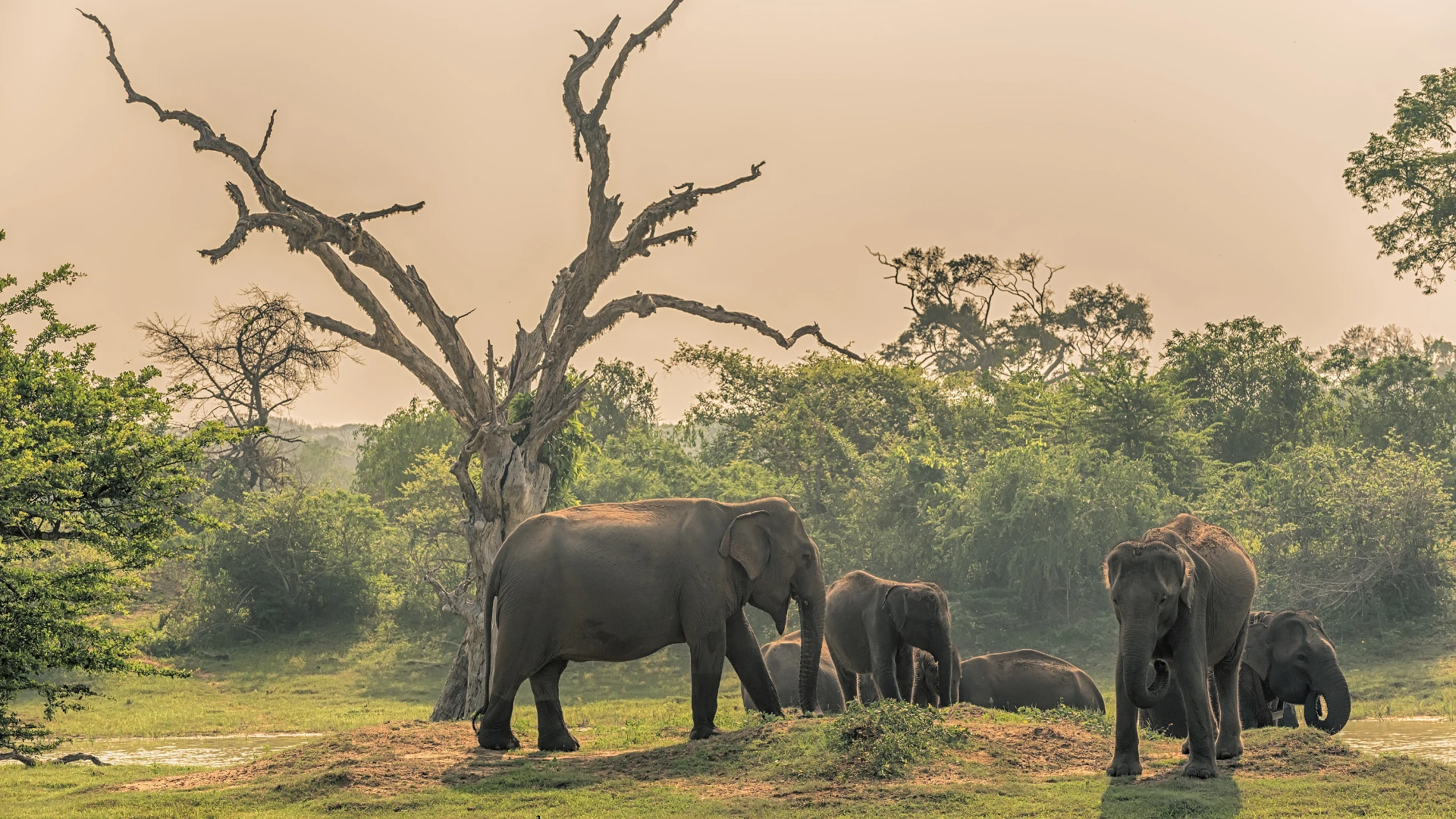
Wilpattu affords a more spacious experience, defined by forest, open glades, and natural lakes. Udawalawe is a strong choice for elephants, particularly for travelers who value reliable viewing over the pursuit of a rarer sighting.
Minneriya and nearby Kaudulla add a seasonal spectacle. As reservoir waters recede, elephants move toward exposed grasslands, and the resulting gatherings can number in the hundreds; official tourism guidance places the best-known Minneriya season broadly between May and October.
The island’s smaller wonders deserve equal regard. Bundala’s wetlands attract rich birdlife, while Sinharaja protects rainforest habitat of exceptional importance. A private guide who understands birds, plants, and animal behavior can make the peaceful hours as memorable as a leopard sighting
An Island Served by Flavor
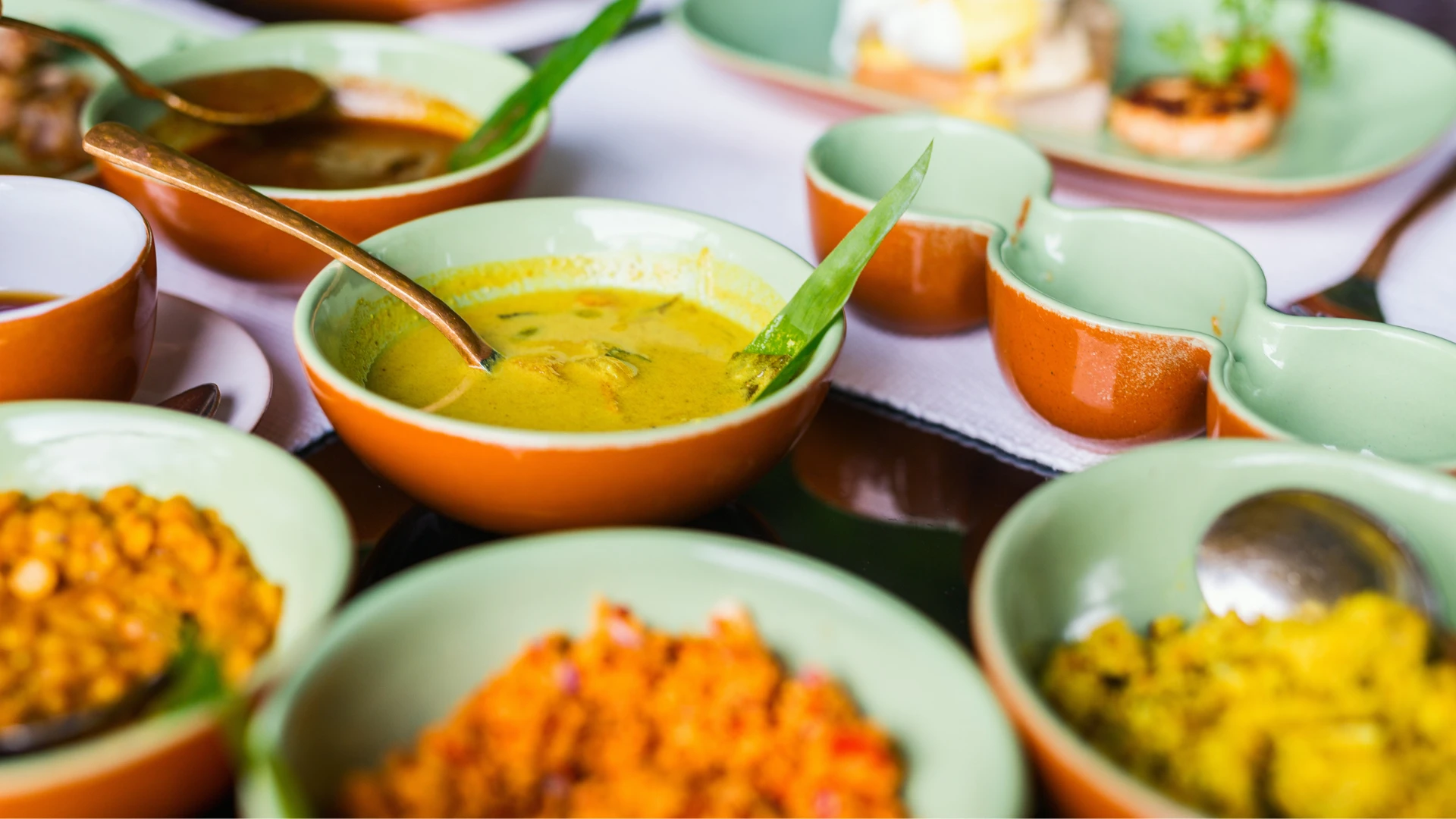
Sri Lankan cooking rewards curiosity. Rice, coconut, seafood, fruit, chilies, and aromatic spices recur across the island, yet the results shift noticeably by region.
Colombo opens with confidence, pairing polished restaurants with street-side specialties. Galle Fort is made for a leisurely evening, with dinner following a walk along the ramparts. In Jaffna, Tamil gastronomic traditions and northern ingredients come forward in spicy crab curry, pittu,
string hoppers, and seafood dishes formed by local spice blends.
Plan the Journey Around You
Sri Lanka is best approached as a sequence of moods rather than a checklist. Allow space between the major sites. Choose private guides for the places that warrant interpretation, and let the coast follow the weather.
Greaves can shape every trip around personal interests, preferred pace, private access, and the level of seclusion that matters most. For a tailor-made Sri Lanka itinerary, contact Greaves India at (800) 318-7801 Start with three decisions: travel month, ideal journey length, and the experience that matters most. Then let Greaves build the route around them.


